

Amazon SEO in 2025 is no longer about stuffing keywords or chasing short-term hacks. With the A10 algorithm evolving rapidly, many sellers still misunderstand how it truly works—and that’s exactly where they fall behind.
At Ecomclips, we’ve helped over 1,000+ Amazon products rank on page one, and in this blog, we’re sharing our exact framework for ranking success in 2025. If you’re struggling to improve your visibility and conversion rate, this guide will show you the proven roadmap.
– Data-backed insights from 300+ case studies
– Mobile-first strategies
– How to future-proof your listing
– And what most sellers STILL get wrong
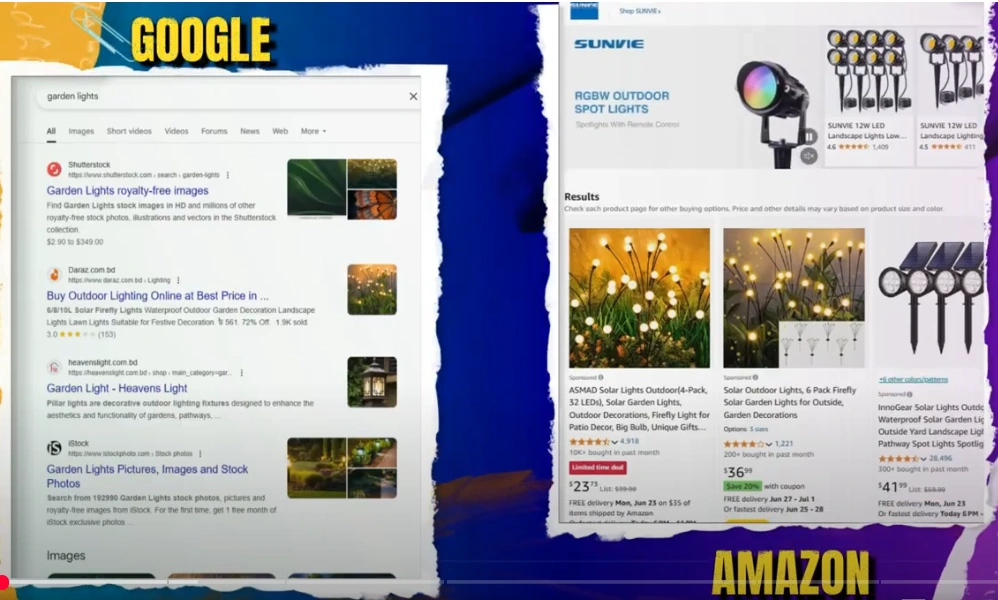
Amazon’s A10 Algorithm vs. Google: What Sellers Misunderstand
Many sellers assume Amazon’s A10 algorithm works just like Google’s. That’s the first major mistake.
Amazon’s algorithm is purchase-intent driven. When someone types “Bluetooth speaker” on Amazon, they’re likely ready to buy. On Google, that same search could just mean research or curiosity.
What A10 Really Cares About:
- Click-throughs
- Conversions
- Customer behavior
- Sales velocity
It’s not just about keywords—it’s about what SELLS.
Amazon doesn’t announce algorithm updates like Google. That’s a good thing—it gives pros like us room to reverse-engineer what really works.
Key Amazon SEO Updates in 2025 You Can’t Ignore
Amazon A10 in 2025 has evolved. Here’s what matters most right now:
1. Mobile Optimization
- Most Amazon traffic is mobile.
- Your listing should be crystal clear on small screens.
- Use bold titles, readable bullets, and optimized images.
2. Quality Over Hacks
Tricks and keyword stuffing are outdated. A10 now rewards:
- Helpful content
- Genuine reviews
- High buyer engagement
If you’re still gaming the system, it’s time to pivot. In 2025, quality wins.
Thinking About Hiring an Amazon Expert?
Ecomclips’ Partners Achieve an Average 85% Profit Increase!
How Ecomclips Does Amazon SEO Differently
We’ve refined a unique system that prioritizes what the A10 algorithm actually values. Here’s our 2025 Amazon SEO blueprint:

Before touching your listing, you need clarity on:
- Can the product be improved?
- What are the profit margins?
- What’s the real cost to scale (PPC, inventory, etc.)?
- Does the market validate your product?

Step 1: Competitive Research Comes First
Tools like Helium 10, Jungle Scout, and Viral Launch are essential for this process.
Bonus: Build a detailed buyer persona. Understanding buyer motivation is key to writing compelling copy and targeting keywords effectively.
Step 2: Optimizing Your Listing the Right Way
Your Amazon product page should be structured for search visibility and conversion.
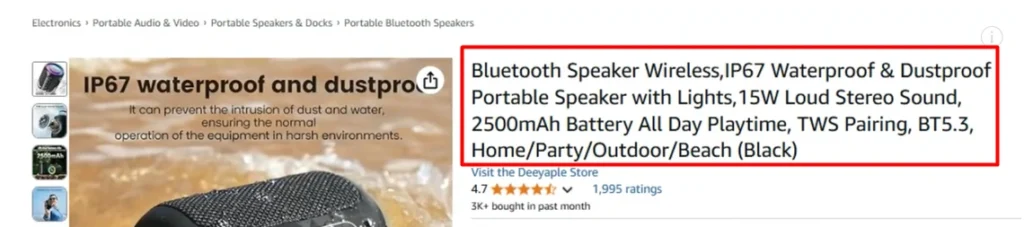
Product Title:
- Place primary keywords at the beginning
- Add click-boosters (benefits, features)
- Keep it under 200 characters
- No keyword stuffing—A10 will penalize it
Bullet Points:
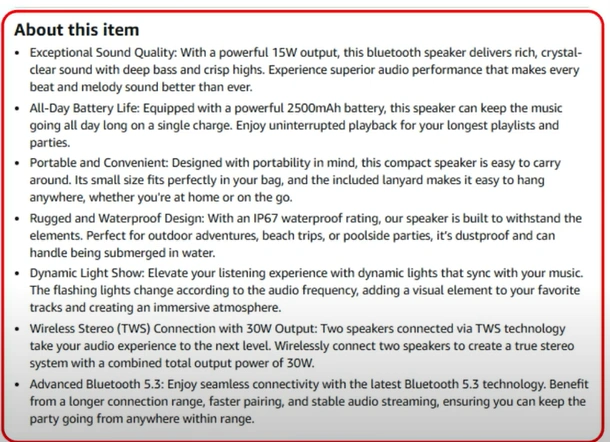
Use this formula:
- Start with a benefit
- Explain why it matters
- Add bonus value
- Insert keywords naturally
- Build trust (warranty, guarantees)
Enhanced Brand Content (A+ Content):
EBC improves conversion rates by 7–15% when done right. Use it to:
- Tell your brand story
- Highlight key product features
- Answer FAQ visually
- Add comparison charts

Backend Search Terms:
- Limit: 250 characters
- Use long-tail keywords
- Avoid repeating front-end terms

Amazon Main Images That Convert:
Amazon wants:
- White backgrounds
- Minimum 80-pixel longest side
- High zoom quality

But great listings go further:
Use images that show benefits, not just product angles.
Tip: Test CTR impact with different images using tools like ManageYourExperiments.
Step 3: Mastering Reviews the Right Way
In 2025, reviews remain a huge ranking and trust factor.
Here’s what works:
- Have a clear, compliant review strategy
- Use tools like Amazon Vine or Follow-Up Emails
- NEVER fake reviews—Amazon’s A10 will detect it
- Highlight great reviews inside your EBC/A+ content

Sales Velocity: The Real Driver of Rankings
All your optimization efforts will fall flat without consistent sales. But here’s what most sellers get wrong:
Not All Sales Are Equal.
Here’s the sales hierarchy (from strongest to weakest ranking signals):
- Organic, full-priced, keyword-based sales
- Full-priced PPC sales
- External traffic (social, influencer)
- Discounted or coupon-driven sales
Your ideal goal:
A customer searches your target keyword, clicks your listing, and buys at full price. This sends the strongest ranking signal to Amazon.
Pro Tip: Avoid sudden spikes. Amazon prefers steady, organic growth over flash sales.
Future-Proofing Your Amazon Success (2025 & Beyond)
Amazon is tightening quality control—and this shift is permanent.
Here’s how to stay ahead:
– Write listings in fluent, natural English
– Avoid AI-spam or poor grammar
– Don’t manipulate reviews or use black-hat tactics
– Provide real value, not just features
Expect stricter listing penalties in 2025—quality is no longer optional.
Final Thoughts: Work With Amazon SEO Experts Who Stay Ahead
You now have the full breakdown of how Amazon SEO works in 2025—and what most sellers are still getting wrong.
At Ecomclips, we specialize in ranking products the right way:
✓ No shortcuts
✓ No guesswork
✓ Just proven results backed by data
Whether you’re launching a new product or struggling to gain visibility, we’re here to help you win.

Ready to Rank on Page One?
Let us optimize your product listing, audit your backend keywords, or manage your PPC for faster results.🔗
Visit ecomclips.com
-> Contact us for a free consultation
-> Subscribe to ourYouTube Channel for more data-driven Amazon tips
Ready to Start Growing Your Brand?
Ecomclips’ Partners Achieve an Average 85% Profit Increase!