

Traditional Amazon keyword research can be time-consuming, leaving sellers buried in search terms, spreadsheets, and endless data analysis. Claude AI simplifies this process by transforming detailed prompts into organized keyword reports, making Amazon PPC keyword research faster, more structured, and easier to analyze. Instead of manually sorting hundreds of keywords, sellers can quickly identify high potential search terms for both Amazon PPC campaigns and product listing optimization.

While Claude AI is a powerful AI for Amazon sellers, the quality of its recommendations depends on the information you provide. By supplying accurate product details, marketplace information, and clear instructions, you can generate more relevant keyword insights using this Amazon keyword research tool. Combining AI-generated recommendations with manual review and proven Amazon PPC tools helps ensure your keyword strategy remains accurate, competitive, and aligned with your advertising and SEO goals.
Why Amazon Sellers Are Using Claude AI for Amazon PPC Keyword Research

Effective Amazon PPC campaigns begin with comprehensive Amazon keyword research, but manually reviewing thousands of search terms, campaign reports, and competitor keywords can be time-consuming. While traditional Amazon PPC tools, marketplace insights, and advertising data remain essential, organizing and prioritizing keywords efficiently has become increasingly important for sellers looking to scale their business.
Claude AI is emerging as a valuable solution for AI for Amazon sellers, helping streamline Amazon PPC keyword research by analyzing large keyword datasets and organizing them into actionable insights. Instead of manually sorting spreadsheets, sellers can use Claude AI for Amazon PPC to group keywords by shopper intent, identify highly relevant search terms, categorize keyword themes, and suggest potential targeting opportunities. This approach makes Amazon keyword research with AI faster and more structured while allowing advertisers to focus on strategy rather than repetitive data organization.

However, successful AI keyword research for Amazon still requires human expertise. AI should enhance decision-making—not replace it. A keyword may appear relevant based on AI analysis but still be unsuitable for your specific product, marketplace, or target audience. Reviewing keyword relevance, search intent, competition, and campaign objectives remains a critical part of every Amazon PPC keyword research 2026 strategy.
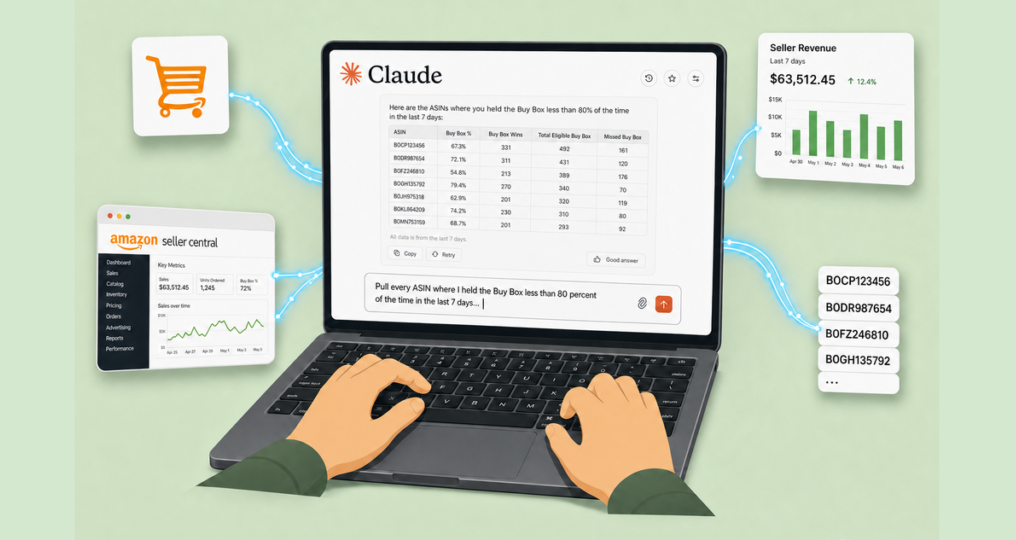
Sellers may already use ChatGPT or compare Claude AI with other AI platforms for keyword research, but the quality of the results depends largely on the prompt. This is where Amazon PPC prompt engineering becomes essential. A detailed prompt that includes your product information, target marketplace, keyword requirements, and desired report format enables Claude AI for Amazon sellers to generate more accurate and actionable keyword recommendations. In contrast, vague prompts typically produce generic results that require significant manual refinement.

When combined with trusted Amazon PPC AI tools and advertising data, Claude AI can significantly improve Amazon keyword research, campaign planning, and AI Amazon listing optimization. Rather than replacing established Amazon keyword research tools, AI helps sellers organize keyword opportunities more efficiently, uncover new targeting ideas, and build stronger Amazon PPC campaigns while maintaining full control over strategic decisions.
Start with a Clear Claude AI Prompt for Amazon PPC Keyword Research
Successful Amazon PPC keyword research begins with a detailed and well-structured prompt. While Claude AI can quickly organize large amounts of keyword data, the quality of the results depends on the context you provide. Before submitting your request, clearly define your product, target marketplace, keyword requirements, language, and preferred report format. This is the foundation of effective Amazon PPC prompt engineering and one of the most important steps in how to use Claude AI for Amazon PPC.

A strong prompt should include your Amazon product URL, a simple product description, the marketplace you’re targeting, and the type of keywords you want to research. Providing this information helps Claude AI for Amazon PPC generate a more accurate and organized Claude AI Amazon keyword report, reducing generic suggestions and improving the quality of your Amazon keyword research with AI. This approach allows AI for Amazon sellers to produce keyword reports that are easier to analyze for both advertising campaigns and listing optimization.
Give Claude AI Complete Product and Marketplace Context
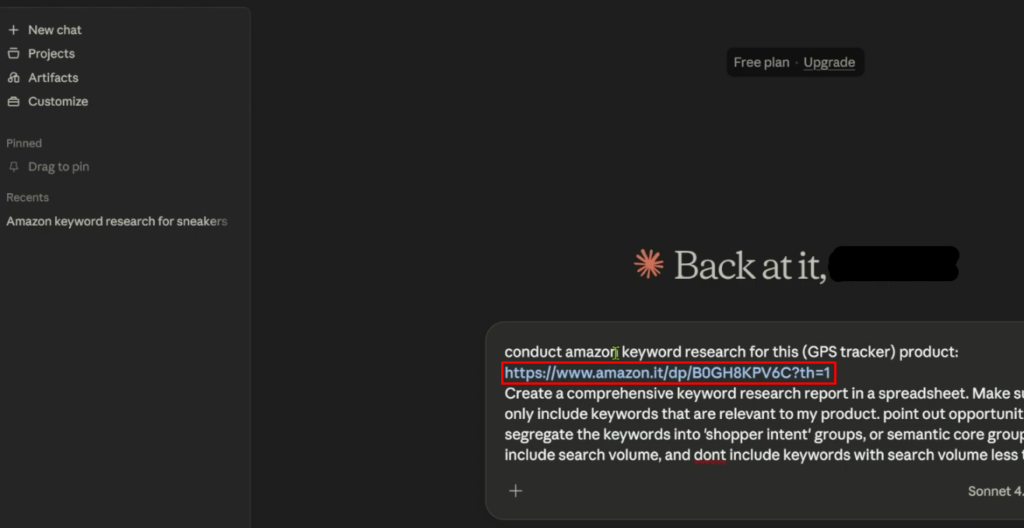
One of the biggest advantages of Claude AI for Amazon sellers is its ability to understand product context. In the example, the prompt includes an Amazon product link for a GPS tracker sold in the Italy marketplace. This allows Claude to recognize the product category, language, and marketplace before generating keyword recommendations. Since shopper behavior differs by country, accurate marketplace information is essential for effective Amazon keyword research and Amazon PPC keyword research 2026.

For example, keywords that perform well in Italy may not be suitable for Amazon US or Amazon UK. Likewise, AI-generated reports may include mixed-language keywords if the marketplace is not clearly specified. Always verify that the language, marketplace, and keyword suggestions align with your target audience before using them in Amazon PPC campaigns or product listings. This is a critical step in how to do Amazon keyword research with AI.
Specify the Exact Amazon Keyword Report You Need
When writing prompts, clearly define the output you expect. Rather than asking for a generic keyword list, request a structured spreadsheet containing only relevant keywords. This improves the usefulness of the report and creates a more efficient Amazon PPC keyword research workflow.
A sample prompt might look like this:
Conduct Amazon keyword research for the Amazon product URL I provide. The product is a GPS tracker for the Italy marketplace. Create a comprehensive keyword research report in spreadsheet format and include only broad keywords that are relevant to the product.
You can customize this request further by asking Claude AI to include columns such as:
- Search volume
- Competition level
- Shopper intent
- Relevancy score
- Opportunity score
- Targeting notes
- Match type recommendations
These additional fields transform a simple keyword list into an AI generated Amazon keyword spreadsheet that supports campaign planning, listing optimization, and AI Amazon listing optimization.
Create an Amazon Keyword Report with Claude AI: Step-by-Step Guide

Creating a well structured keyword report is one of the most effective ways to improve Amazon PPC campaigns and product visibility. Instead of generating a long, unorganized list of search terms, Claude AI can produce a structured report that helps sellers prioritize relevant keywords, organize campaign planning, and streamline Amazon PPC keyword research. The quality of the report depends on providing clear instructions and complete product information.
Step 1: Add Your Amazon Product URL
Begin by including your Amazon product URL in the prompt. This gives Claude AI the context it needs to understand your product and the marketplace where it is sold. Providing the product link helps generate more accurate keyword suggestions and improves the quality of your Amazon keyword research.
Step 2: Describe the Product Clearly
Write a simple, plain-language description of your product. For example, the demonstration uses “GPS tracker” as the product description. A clear product description allows Claude AI to better understand the item and generate more relevant keyword ideas for both Amazon PPC campaigns and listing optimization.
Step 3: Define Your Keyword Requirements
Specify exactly what type of keywords you need. Rather than requesting every related search term, ask for only keywords that are directly relevant to your product. Defining these requirements helps Claude AI create a focused report that functions as an effective Amazon keyword research tool and reduces irrelevant keyword suggestions.
Step 4: Request a Spreadsheet-Style Report
Ask Claude AI to organize the output in a spreadsheet format. A structured report makes it easier to sort, filter, compare, and prioritize keywords for advertising campaigns. This format is especially useful for AI for Amazon sellers who manage large keyword lists and want to improve campaign organization using modern Amazon PPC tools.
Step 5: Allow Claude AI Time to Generate the Report
Once the prompt is submitted, allow Claude AI sufficient time to process the request. The example demonstrates a report being generated in approximately two minutes, although processing time may vary depending on the complexity of the request and platform conditions.
Step 6: Include Marketplace and Language Requirements
Always specify the marketplace and language in your prompt. If your product is sold in Italy, mention the Italy marketplace. If you need English-only keywords, include that requirement as well. Country-specific and language-specific details help ensure your Amazon keyword research results are relevant to the shoppers you want to reach and improve the accuracy of your Amazon PPC keyword research.
By following this structured approach, Claude AI becomes a powerful assistant for Amazon PPC, helping sellers organize keyword data into actionable reports while complementing existing Amazon PPC tools. When combined with manual validation and marketplace expertise, this workflow enables AI for Amazon sellers to perform faster, more organized Amazon keyword research and build stronger advertising campaigns.
Review Your Claude AI Amazon Keyword Report Before Launching Amazon PPC Campaigns
Generating an AI generated Amazon keyword spreadsheet is only the first step in a successful Amazon PPC keyword research workflow. While Claude AI can organize thousands of search terms into a structured report, every keyword should be reviewed before being added to your campaigns or product listings. The best AI for Amazon sellers helps accelerate research, but final decisions should always be based on product relevance, marketplace requirements, and real customer search behavior.
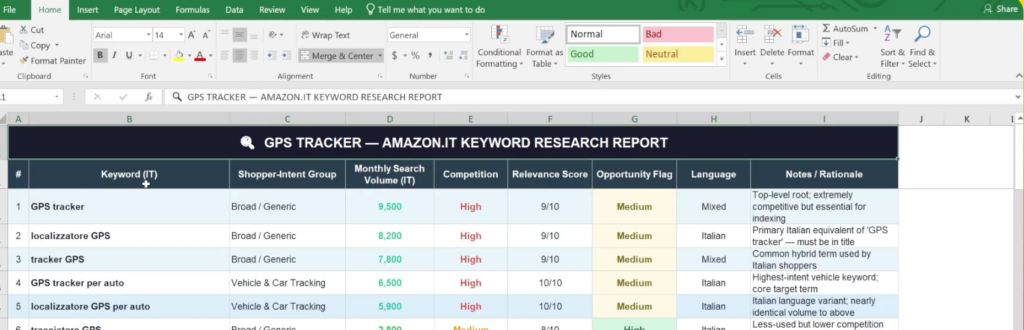
A well-structured Claude AI Amazon keyword report typically includes the marketplace, language, keyword suggestions, shopper intent, monthly search volume, competition level, Amazon keyword relevancy score, opportunity flags, and notes. This organized format makes Amazon PPC keyword research easier to analyze and prioritize. However, even the best Amazon PPC AI tools cannot guarantee that every recommendation is suitable for your product or advertising strategy. Always validate AI-generated insights with trusted keyword data and your own campaign performance.
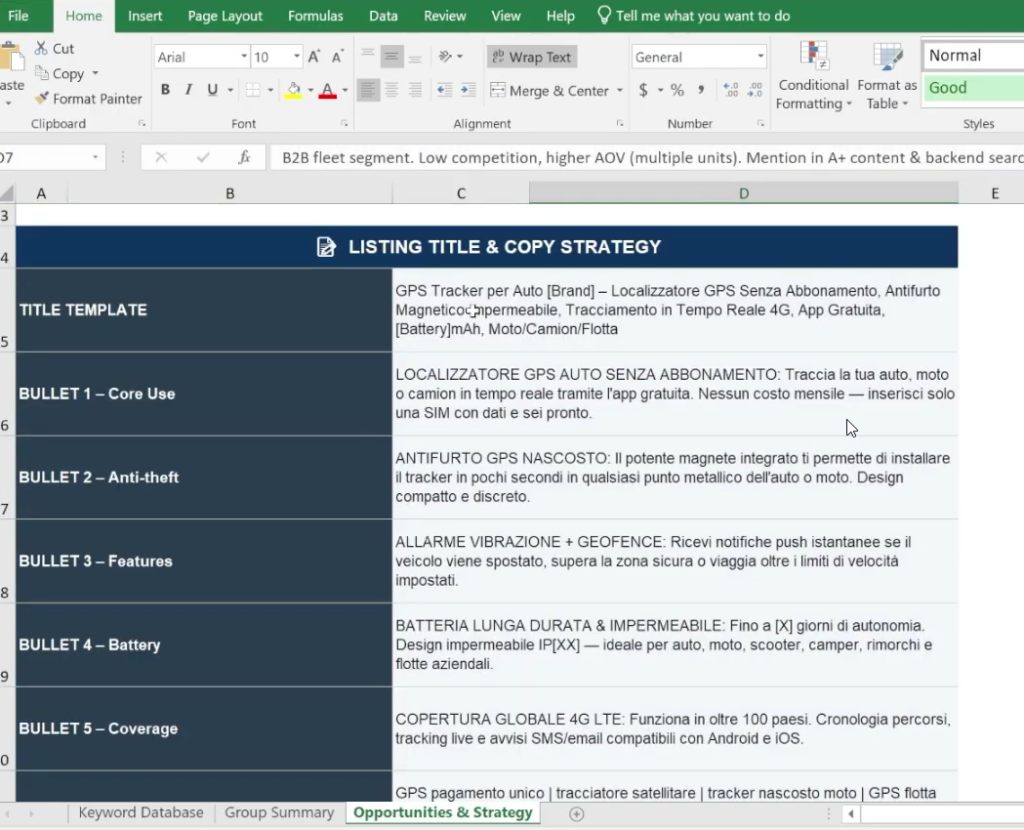
Verify Marketplace and Language Before Using Keywords
One of the first steps in Amazon marketplace keyword research is confirming that every keyword matches the marketplace where your products are sold. If your prompt references an Italian Amazon listing, Claude AI may return Italian or mixed-language keywords. Before launching Amazon PPC campaigns, ensure the language matches how customers search in your target marketplace. This validation process is essential for effective Amazon keyword research with AI and helps prevent irrelevant traffic.
When reviewing your keyword list, ask these questions:
- Does the keyword match my target marketplace?
- Does the language reflect how customers search?
- Does the keyword accurately describe my product?
- Would shoppers using this search term expect to find my product?
Answering these questions helps improve keyword quality and supports better Amazon PPC campaign planning.
Evaluate Shopper Intent, Search Volume, and Competition Together
Successful Amazon PPC keyword research 2026 goes beyond finding high-volume keywords. The most effective strategy combines Amazon keyword research, shopper intent, Amazon search volume and competition, and product relevance.
Claude AI for Amazon PPC can organize keywords by shopper intent, helping sellers understand whether customers are searching broadly, comparing products, or looking for a specific solution. This information helps prioritize keywords that align with your advertising goals and customer journey.
Monthly search volume estimates can help compare keywords within your report, but important decisions should always be confirmed using trusted Amazon keyword research tools or advertising data. Likewise, competition levels should be viewed as guidance rather than strict rules:
- High competition keywords often generate significant traffic but may require larger advertising budgets.
- Medium-competition keywords can strike a balance between visibility and cost.
- Low competition keywords may uncover profitable niche opportunities when they closely match your product.
The best-performing Amazon PPC campaigns typically include a balanced mix of keyword types rather than focusing exclusively on one competition level.
Use Relevancy Scores and Opportunity Flags to Prioritize Keywords
Many Amazon seller AI tools 2026 include features such as Amazon keyword relevancy scores and opportunity flags. These metrics help prioritize which keywords deserve additional review but should never replace human judgment.
Start by filtering your Claude AI Amazon keyword report for high-opportunity terms. Then carefully review each keyword to confirm it accurately reflects your product’s features, intended use, and target audience. Remove keywords that reference features, use cases, or product types that your listing does not support. This validation process improves campaign efficiency while supporting AI Amazon listing optimization, Amazon listing title optimization, and Amazon bullet point optimization.
Combine AI with Human Expertise for Better Amazon PPC Results
Modern Amazon PPC automation tools and Claude AI for Amazon sellers can dramatically reduce the time required for keyword organization and analysis. However, AI should enhance—not replace—your expertise. By combining Amazon keyword research with AI, trusted advertising data, and manual review, sellers can build a more effective Amazon PPC keyword research guide, create stronger campaigns, and optimize product listings for both paid and organic visibility.

The most successful Amazon PPC keyword research workflow blends Claude AI, traditional Amazon PPC tools, marketplace expertise, and ongoing performance analysis to identify high-quality keywords that drive traffic, improve conversions, and support long-term account growth.
Filter Amazon Keywords Before Using Them in Your PPC Campaigns
A successful Amazon PPC keyword research strategy doesn’t involve targeting every keyword in your report. Instead, focus on creating a refined keyword list that aligns with your product, customer search intent, and advertising goals. Whether you’re using Claude AI, traditional Amazon PPC tools, or another Amazon keyword research tool, filtering keywords before launching campaigns helps improve relevance, reduce wasted ad spend, and increase campaign performance.

One of the biggest advantages of Claude AI for Amazon PPC is its ability to organize thousands of keywords into a structured report. However, AI keyword research for Amazon should always be followed by manual review. Rather than acting on every keyword, prioritize those that best match your product and marketplace. This approach creates a stronger Amazon PPC keyword research 2026 workflow while helping sellers focus on high-value opportunities.
A Simple Amazon Keyword Review Process
To build a high-quality keyword list, follow a structured review process:
- Filter high-opportunity keywords identified by Claude AI.
- Review the relevancy score and remove keywords that don’t accurately describe your product.
- Evaluate shopper intent to understand what customers expect when searching for each keyword.
- Compare monthly search volume with the competition level to identify balanced opportunities.
- Read the targeting notes and create a shortlist for additional validation before using the keywords in your campaigns or listings.
Following this process allows AI for Amazon sellers to streamline keyword analysis while ensuring every selected keyword supports campaign objectives.
Organize Your Amazon Keyword Research Report
A structured report makes it easier to compare keywords and prioritize the best opportunities. Your Claude AI for Amazon sellers report or preferred Amazon keyword research tool should include fields such as:
| Keyword | Shopper Intent | Monthly Search Volume | Competition | Relevancy Score | Opportunity Flag | Targeting Notes |
| Relevant Broad Keyword | Broad | Reported Estimate | Medium | High | High | Consider for Amazon PPC and listing optimization |
| Generic Keyword | Generic | Reported Estimate | High | Medium | Medium | Compare with more product-specific keywords |
| Product-Specific Keyword | Focused Intent | Reported Estimate | Low | High | High | Validate before adding to campaigns |
This framework helps organize Amazon PPC AI tools output into a practical keyword review process, making it easier to identify high-value opportunities while avoiding irrelevant search terms.
Turn Keyword Research into Action
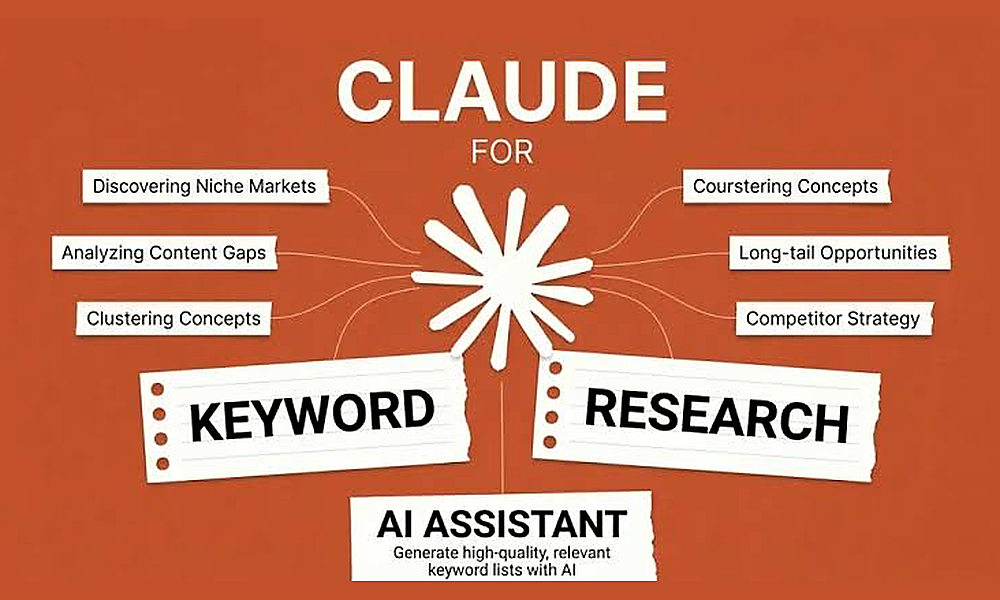
The Targeting Notes column is one of the most valuable parts of an Amazon PPC keyword research report because it connects each keyword to a potential use. After reviewing the notes, group keywords based on how they will be used:
- Amazon PPC campaigns
- Product title optimization
- Bullet point optimization
- Backend search terms
- Product description optimization
This organized approach allows Claude AI to support both advertising and listing optimization while keeping the final strategy in the hands of the seller. When combined with trusted Amazon PPC tools and manual validation, Amazon keyword research becomes more accurate, efficient, and actionable, helping sellers build stronger campaigns and improve long-term performance.
Use the Group Summary to Identify High-Value Amazon Keyword Themes
One of the most useful features of Claude AI for Amazon PPC keyword research is its ability to organize related keywords into logical groups based on shopper intent. Instead of reviewing every keyword individually, sellers can analyze keyword clusters that share a common search theme. This structured approach makes Amazon keyword research faster, more organized, and easier to prioritize for advertising and listing optimization.
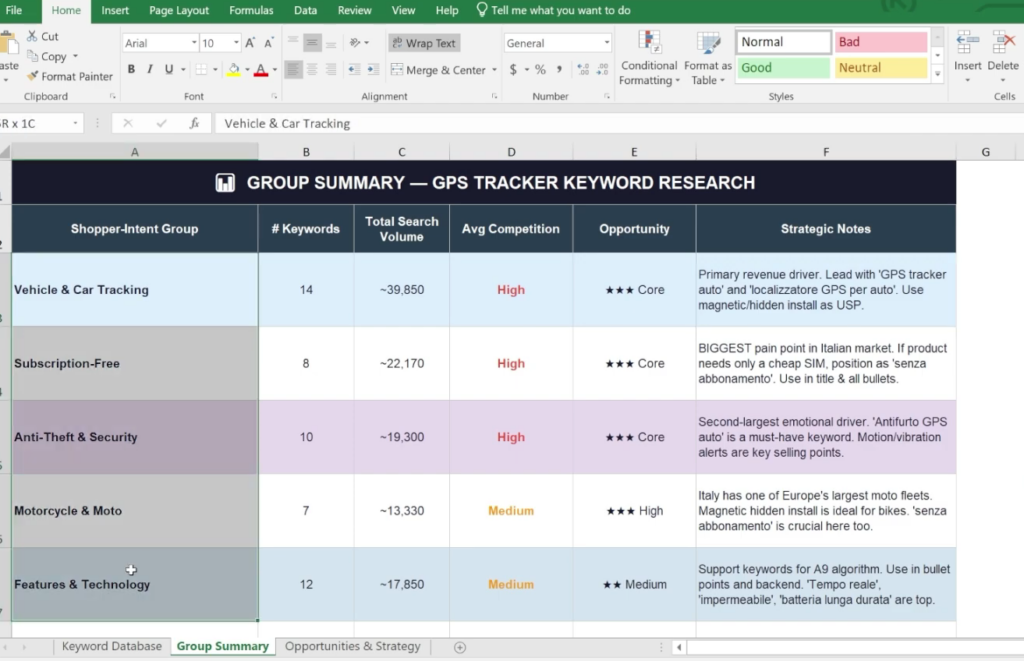
When using Claude AI for Amazon PPC, the group summary typically combines related keywords and provides supporting metrics such as estimated search volume, competition level, and opportunity indicators. Rather than focusing only on individual keywords, sellers can quickly determine whether broad product searches, generic terms, use-case keywords, or other recurring search patterns dominate a report. This capability makes AI keyword research on Amazon more efficient by highlighting the themes that matter most before diving into detailed keyword analysis.
Keep Keyword Groups Relevant to Your Product
While grouped keywords make research more manageable, every keyword cluster should still be evaluated against your actual product. A keyword group may show high search demand or strong opportunity, but that doesn’t automatically mean it is suitable for your listing or Amazon PPC campaigns.
For example, if you’re selling a GPS tracker designed for vehicles, a keyword group focused on pet tracking may attract irrelevant shoppers—even if Claude AI identifies it as a high-opportunity category. Before adding any keyword group to your campaigns, confirm that it accurately reflects your product’s features, intended use, and target audience. This validation step is essential for effective Amazon PPC keyword research 2026 and helps prevent wasted advertising spend.
Use Keyword Groups for Campaign Planning
Think of the group summary as an organizational tool rather than a ready-made campaign structure. It helps AI for Amazon sellers keep related keywords together while identifying which themes deserve deeper research and testing.

After reviewing each keyword group, you can:
- Prioritize high-value keyword themes for Amazon PPC campaigns.
- Identify relevant keywords for product titles, bullet points, and backend search terms.
- Compare search volume and competition across different keyword categories.
- Build a focused keyword shortlist using your preferred Amazon keyword research tool.
- Validate AI-generated recommendations with trusted Amazon PPC tools and campaign performance data.
By combining Claude AI, Amazon PPC AI tools, and manual review, sellers can transform large keyword reports into organized, actionable strategies. Using keyword groups as part of your Amazon PPC keyword research workflow helps improve campaign planning, maintain keyword relevance, and create more effective advertising strategies without relying solely on AI-generated recommendations.
Turn Amazon Keyword Research into High-Converting Listing Optimization

A well-organized Claude AI Amazon keyword report does more than support Amazon PPC campaigns—it also provides valuable insights for AI Amazon listing optimization. After completing Amazon PPC keyword research, you can use the most relevant keywords to improve your product title, bullet points, and overall listing SEO. This creates a stronger connection between Amazon keyword research with AI and your organic search strategy, helping shoppers discover your products more easily.
By combining Claude AI for Amazon PPC with proven Amazon PPC tools, sellers can identify high-value keywords that naturally fit within their product listings. Rather than stuffing keywords into every section, use AI-generated insights to improve clarity, relevance, and customer understanding while supporting both paid and organic visibility. This balanced approach is a core principle of any effective Amazon PPC keyword research guide and Amazon PPC keyword research workflow.
Optimize Product Titles with Relevant Keywords
One of the first recommendations in a Claude AI Amazon keyword report is often improving the product title. Amazon listing title optimization should focus on incorporating the most relevant product keywords while maintaining readability and accurately describing the product.
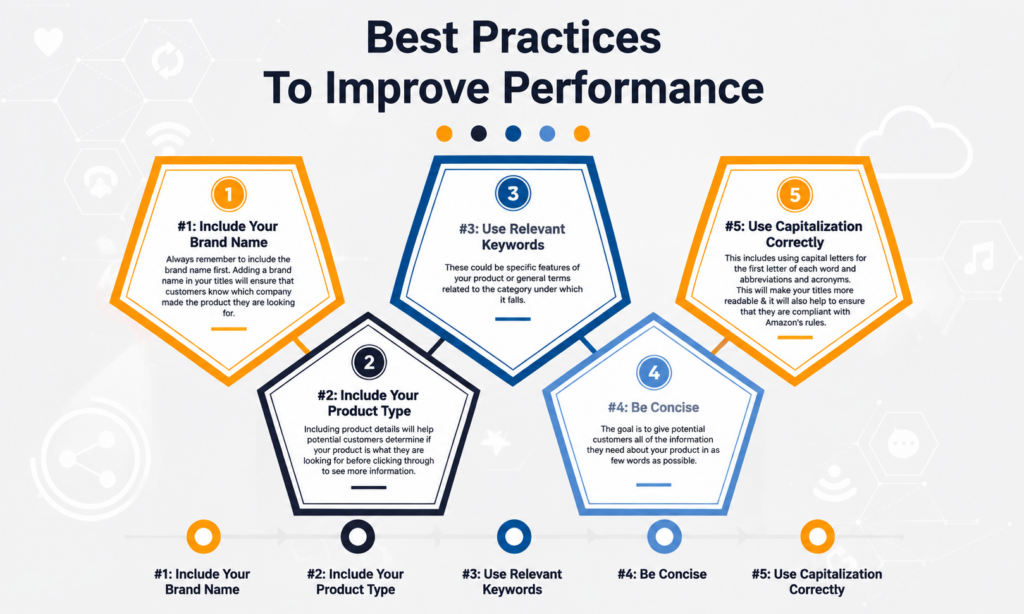
Use Amazon marketplace keyword research, Amazon keyword relevancy scores, and Amazon keyword research shopper intent to identify the search terms that best represent your product. High-search-volume keywords may improve discoverability, but they should only be included if they accurately reflect the product’s features and intended use. Avoid forcing unrelated keywords into the title, as this can reduce readability and create unrealistic customer expectations.
Improve Bullet Points with AI-Driven Keyword Insights
Amazon bullet point optimization provides more flexibility to describe your product’s features, benefits, compatibility, and use cases. Claude AI for Amazon sellers can recommend relevant keywords that naturally fit into bullet points, making your listing more informative while supporting Amazon keyword research with AI.
When reviewing AI-generated suggestions, confirm that every keyword matches your product specifications and marketing claims. The goal is to improve customer understanding—not simply increase keyword density. Combining Amazon search volume and competition data with manual review ensures that your bullet points remain accurate, persuasive, and optimized for both shoppers and Amazon’s search algorithm.
Combine Amazon PPC and Listing Optimization
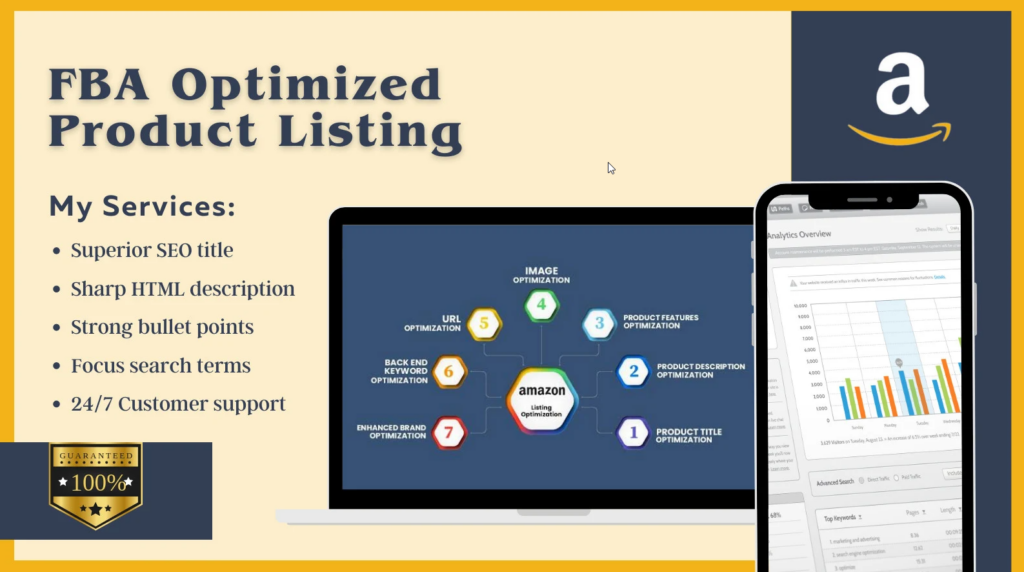
The same keyword research used for Amazon PPC campaign planning can also improve your product listings. Keywords identified through AI keyword research can support:
- Amazon PPC campaign targeting
- Amazon listing title optimization
- Amazon bullet point optimization
- Backend search terms
- Product description improvements
- Overall AI Amazon listing optimization
Modern Amazon PPC AI tools, Amazon PPC automation tools, and other Amazon seller AI tools 2026 help organize keyword data efficiently, but final optimization decisions should always be based on product accuracy and customer relevance. Keyword research should guide your optimization strategy—not replace human judgment.
Build a Smarter Amazon SEO Strategy with Claude AI
The best results come from integrating Amazon PPC keyword research 2026, Amazon keyword research, and listing optimization into a single workflow. Claude AI helps organize keyword opportunities and simplify research, while sellers use their expertise to validate recommendations and decide which keywords deserve testing.
By combining Claude AI, trusted Amazon keyword research tools, and ongoing campaign analysis, sellers can develop stronger Amazon PPC strategies, improve listing quality, and build a sustainable SEO process that supports long-term organic visibility and advertising performance.
Claude AI Can Help Amazon Sellers Beyond Keyword Research
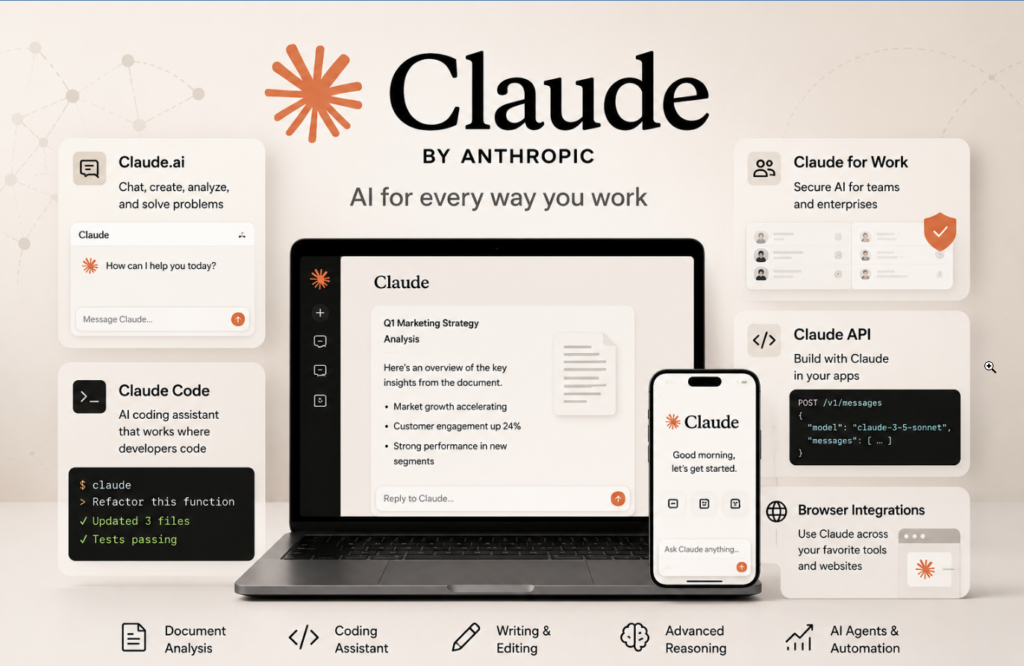
While Claude AI is an excellent tool for Amazon PPC keyword research, its capabilities extend far beyond finding keywords. With clear prompts and the right context, Claude AI can help automate many daily tasks, making it a valuable productivity tool for AI for Amazon sellers. Whether you’re managing advertising campaigns, optimizing product listings, or creating marketing content, AI can save time by organizing information and generating structured first drafts.
For Amazon businesses, Claude AI can support a wide range of activities, including:
- Brainstorming new content ideas for blogs, social media, and product launches.
- Drafting product descriptions, listing content, and marketing emails.
- Summarizing lengthy reports, competitor research, or marketplace data.
- Organizing research into structured spreadsheets and easy-to-review formats.
- Supporting learning and simplifying repetitive business tasks.
For marketers, content creators, students, and business owners, the useful pattern stays the same. Give context, explain the desired outcome, request a practical format, and review the result. Claude can reduce the time spent organizing a first draft, but the final judgment remains with the person using it.
Build a Smarter Amazon PPC Keyword Research Workflow with Claude AI

An effective Amazon PPC keyword research strategy combines the speed of Claude AI with the expertise of the seller. By using clear prompts, Claude AI can organize Amazon keyword research into structured reports featuring keyword ideas, shopper intent, estimated search volume, competition levels, opportunity flags, and listing optimization suggestions. This streamlined process helps AI for Amazon sellers save time while making it easier to identify high-potential keywords for both advertising and organic visibility.
However, even the best Amazon PPC tools and Amazon keyword research tools require human review. Every keyword should be validated to ensure it matches your product, target marketplace, and customer search intent before being added to your campaigns or listings. Relevance should always take priority over search volume alone.
As Amazon PPC keyword research 2026 continues to evolve, combining Claude AI for Amazon PPC with manual validation creates a more efficient and reliable workflow. By refining AI-generated keyword reports into a focused list of high-quality search terms, sellers can build stronger PPC campaigns, improve listing optimization, and support long-term growth. AI accelerates the research process, but informed decision-making remains the key to achieving sustainable success with Amazon PPC.
For questions about Ecomclips services or content, contact the team at info@ecomclips.com.
For more tutorials and marketing topics, browse the Ecomclips video library or read the Ecomclips blog. The Boostontime blog also publishes related ecommerce and marketing content.