

Running successful Amazon PPC campaigns can drive qualified shoppers to your Amazon product listing, but advertising alone won’t generate sales if your listing doesn’t convert. If you’re getting clicks but not enough orders, it’s time to perform an Amazon listing audit before increasing your ad spend.
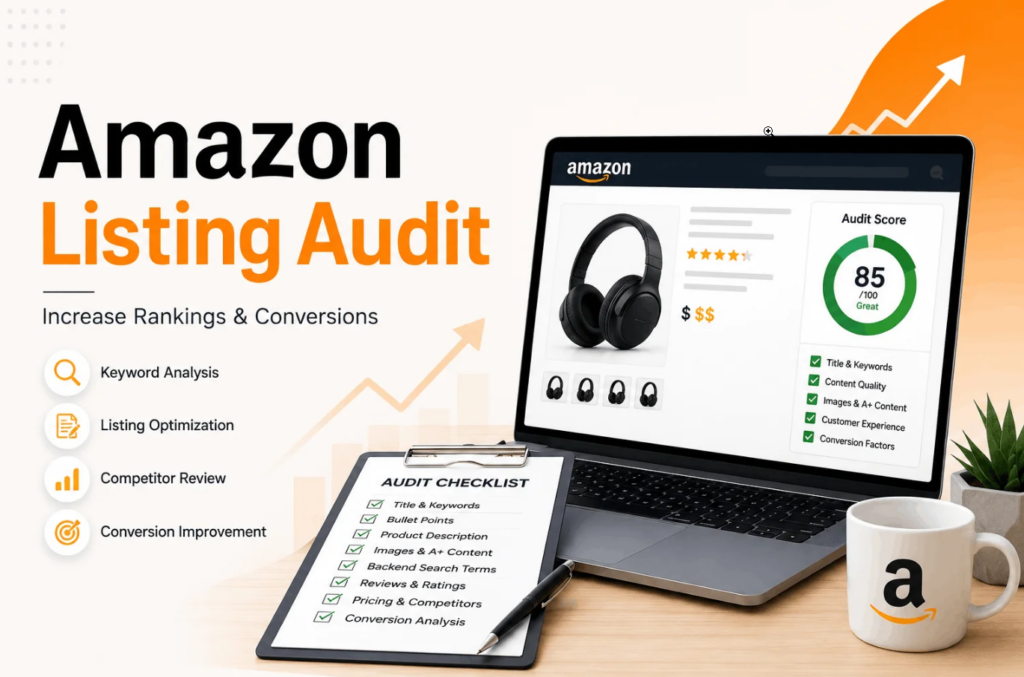
A well-executed Amazon product listing audit helps identify the issues that prevent shoppers from buying. From your main image and product title to pricing, bullet points, and Amazon A+ Content, every element of your Amazon listing influences customer trust and purchase decisions. By following Amazon listing best practices, you can improve your product page, boost conversion rates, and get a better return from your Amazon PPC campaigns.
This complete Amazon Listing Audit Guide 2026 will walk you through a practical Amazon listing audit checklist covering Amazon SEO, Amazon listing optimization, and Amazon conversion optimization. You’ll learn how to optimize Amazon listings to improve organic rankings, increase traffic, convert more visitors into customers, and maximize your sales.
Start With Your Amazon Listing Audit, Not Your Amazon PPC Campaign
Running Amazon PPC campaigns is one of the fastest ways to bring shoppers to your Amazon product listing, but advertising alone won’t guarantee sales. Every paid click costs money, and if your Amazon listing isn’t optimized, those clicks can quickly become wasted ad spend. That’s why an Amazon listing audit should always come before increasing your advertising budget.
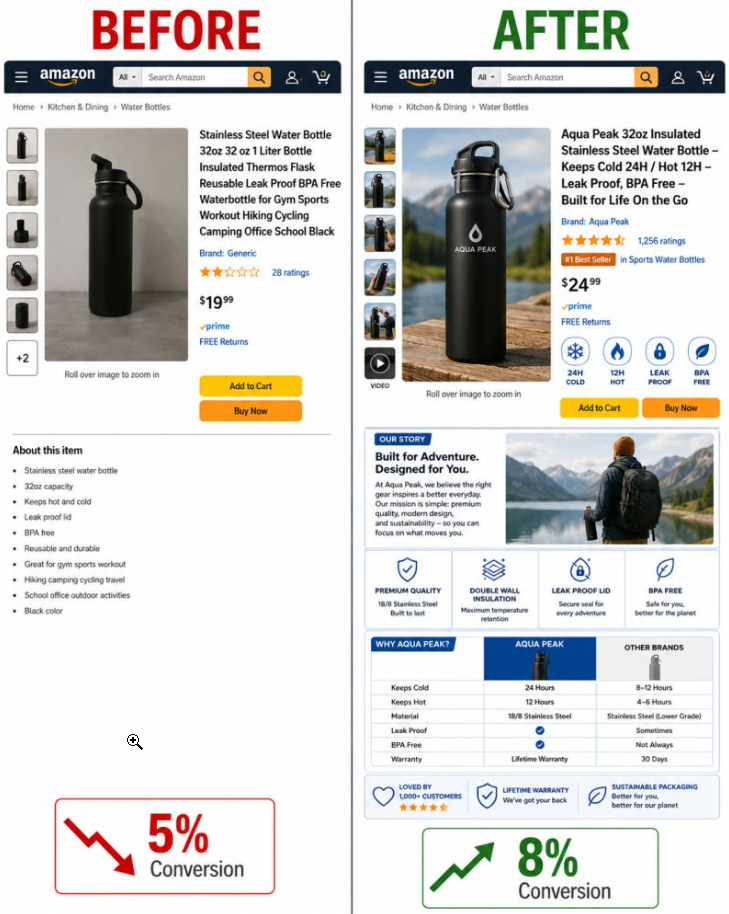
A successful Amazon listing optimization strategy focuses on improving the customer experience from the moment a shopper discovers your product to the moment they complete their purchase. If your Amazon product listing has unclear Amazon product images, a poorly optimized title, weak bullet points, an incomplete product description, or an uncompetitive price, shoppers are likely to leave your page and buy from a competitor instead.
Use an Amazon Listing Audit to Identify Conversion Problems
A thorough Amazon product listing audit helps you determine whether your biggest challenge is traffic or conversions. If your listing receives very few impressions, the problem may be related to Amazon SEO, keyword relevance, or your Amazon PPC campaign structure. However, if shoppers are clicking your listing but not purchasing, your focus should shift toward Amazon conversion optimization and improving your Amazon product page optimization.
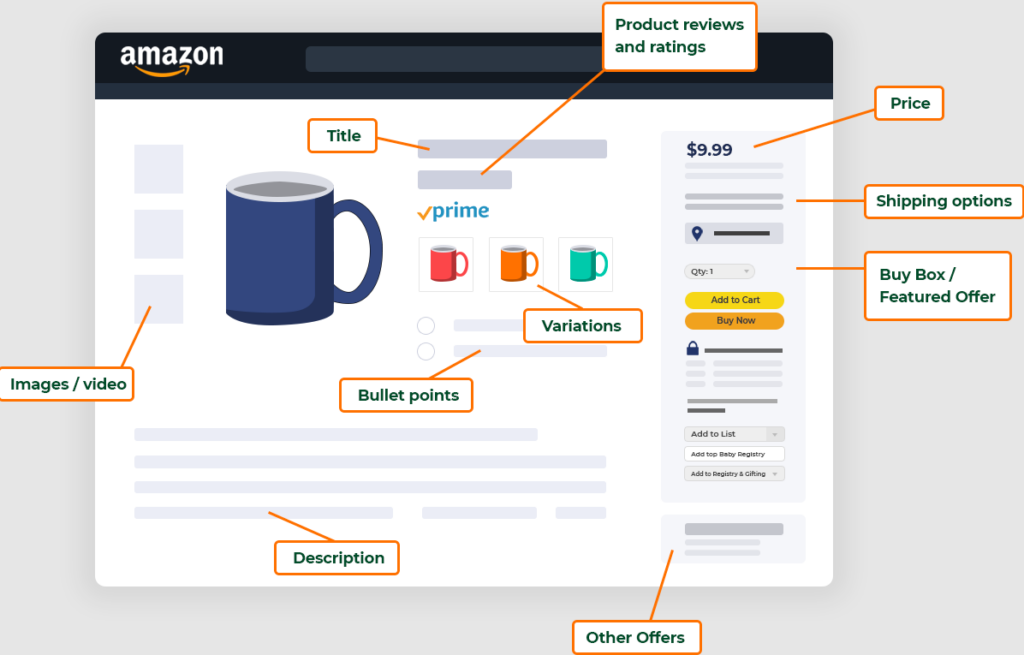
A complete Amazon listing audit checklist should evaluate every factor that influences buying decisions, including:
- Amazon product title optimization for both search visibility and readability.
- High-quality Amazon product images that clearly showcase your product.
- Informative Amazon infographic images that explain key features and benefits.
- Engaging Amazon product videos that demonstrate the product in real-world use.
- Strong Amazon bullet point optimization that answers common customer questions.
- Detailed Amazon product description optimization with persuasive, keyword-rich content.
- Well-structured Amazon A+ Content and Amazon A+ Content optimization to build trust and strengthen your brand.
- Relevant Amazon backend search terms that improve discoverability without keyword stuffing.
Review Every Stage of the Customer Journey
An effective Amazon listing optimization process should evaluate two critical stages of the customer journey:
1. The Search Results Page
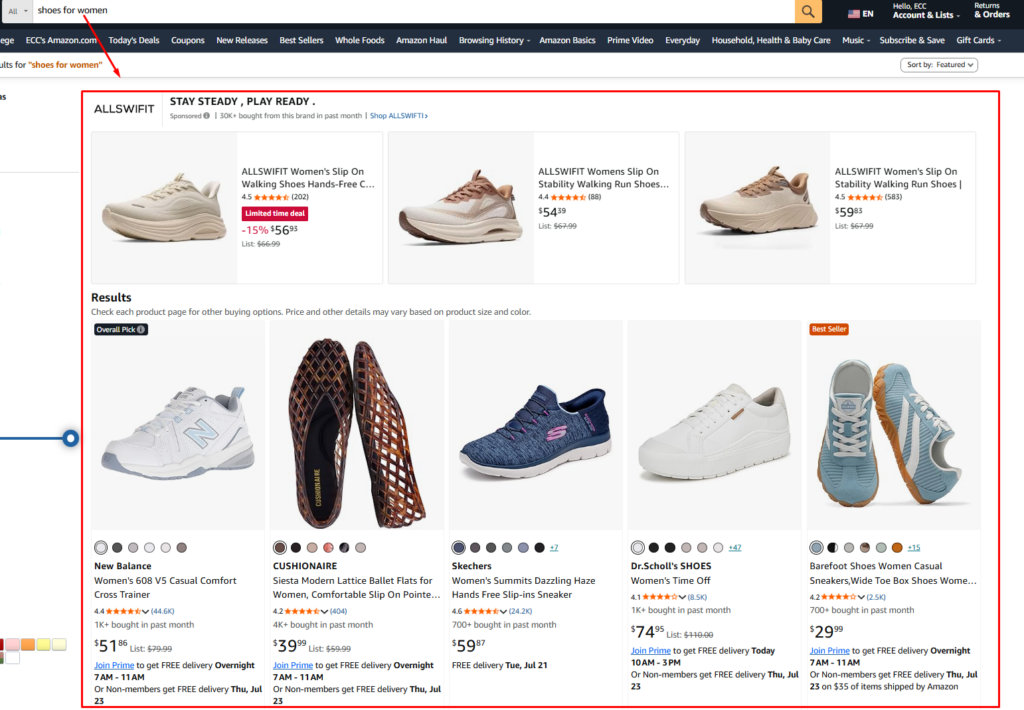
Before shoppers even click your product, they compare your listing with competing products. Your main image, product title, ratings, price, and delivery promise all influence whether they choose your listing. Strong Amazon SEO and compelling visuals improve click-through rates and help your listing stand out.
2. The Product Detail Page
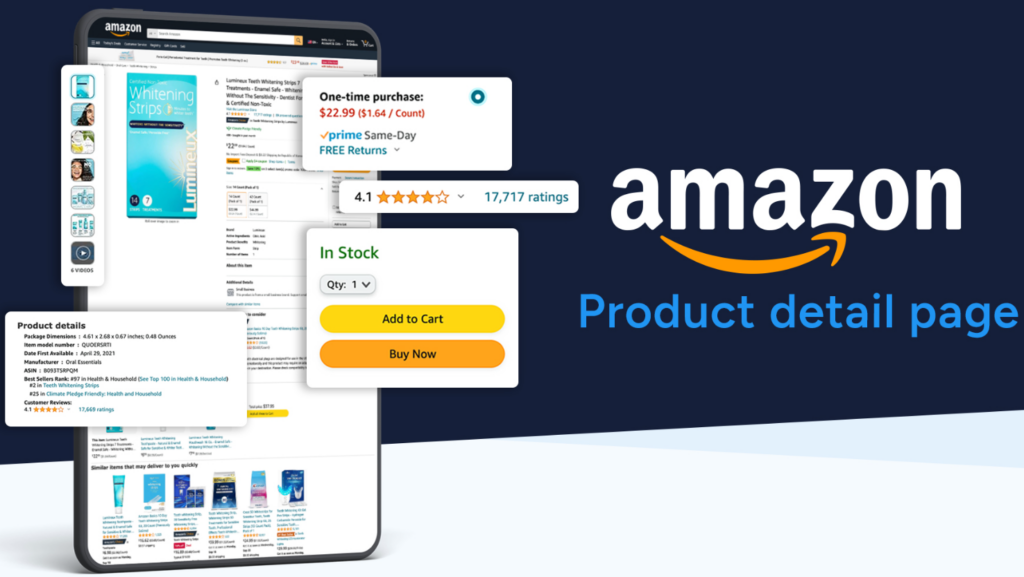
Once shoppers land on your Amazon product listing, they look for reasons to buy. This is where your product images, bullet points, product description, pricing, reviews, shipping information, and Amazon A+ Content work together to improve your Amazon listing conversion rate. Every element should reinforce your product’s value and eliminate customer doubts.
Compare Your Listing with Competitors
One of the most valuable Amazon listing best practices is to compare your product directly with top competitors. Search your primary keyword on Amazon, for example, hair gel if that’s your product category, and carefully review the listings that rank above yours.
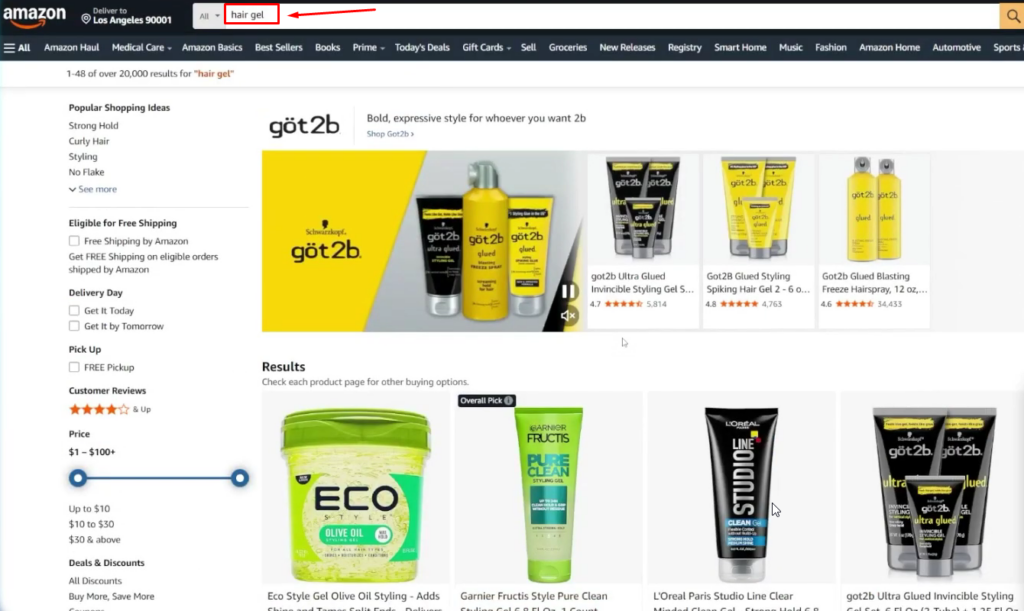
Ask yourself:
- Which listings have the most attractive Amazon product images?
- Which product titles communicate value more clearly?
- Which bullet points provide the most useful information?
- Which listings use Amazon product videos and Amazon A+ Content most effectively?
- What pricing, delivery options, and customer reviews make competing products more appealing?
This competitor analysis often reveals the biggest opportunities to optimize Amazon listings, improve Amazon listing quality, strengthen Amazon SEO, and increase conversions. By addressing these weaknesses before investing more in Amazon PPC, you’ll maximize your advertising ROI and build a stronger foundation for long-term organic growth.
Audit Your Amazon Search Results Before Optimizing Your Product Page and Amazon PPC
A successful Amazon listing audit starts before shoppers even click your Amazon product listing. Most buying decisions begin on Amazon’s search results page, where customers quickly compare multiple products based on their main image, title, review rating, price, and estimated delivery date. If your listing fails to stand out during this first impression, even the best Amazon product page optimization won’t have the opportunity to convert visitors into buyers.
While Amazon PPC can increase your product’s visibility, long-term success depends on strong Amazon SEO and effective Amazon listing optimization. Your search result should immediately communicate what your product is, why it’s valuable, and why shoppers should click your listing instead of a competitor’s.
Optimize Your Main Product Image for More Clicks
Your main product image is one of the most important elements of Amazon product listing optimization. It’s the first thing shoppers notice, making it a major factor in both click-through rate and Amazon conversion optimization.
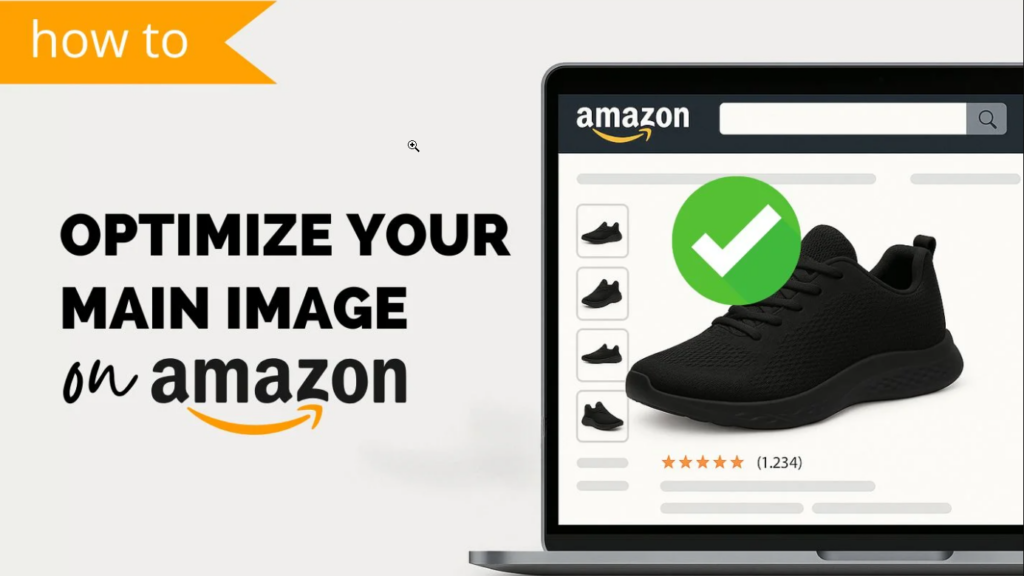
A high-performing main image should:
- Clearly display the product without distractions.
- Show the correct size, packaging, or included accessories.
- Use clean lighting and a professional presentation.
- Make the product instantly recognizable, even in a small thumbnail.
Compare your main image with competing products that rank for your primary keyword. If competing listings are easier to understand at first glance, they have a better chance of earning the click. Improving your primary image is one of the fastest ways to strengthen your Amazon listing optimization and improve the performance of your Amazon PPC campaigns.
Use Infographic Images to Explain Product Benefits
After shoppers click your Amazon listing, your supporting images should answer the questions your main image cannot. Infographic images help customers quickly understand important product details such as materials, dimensions, key features, compatibility, and real-world use cases.
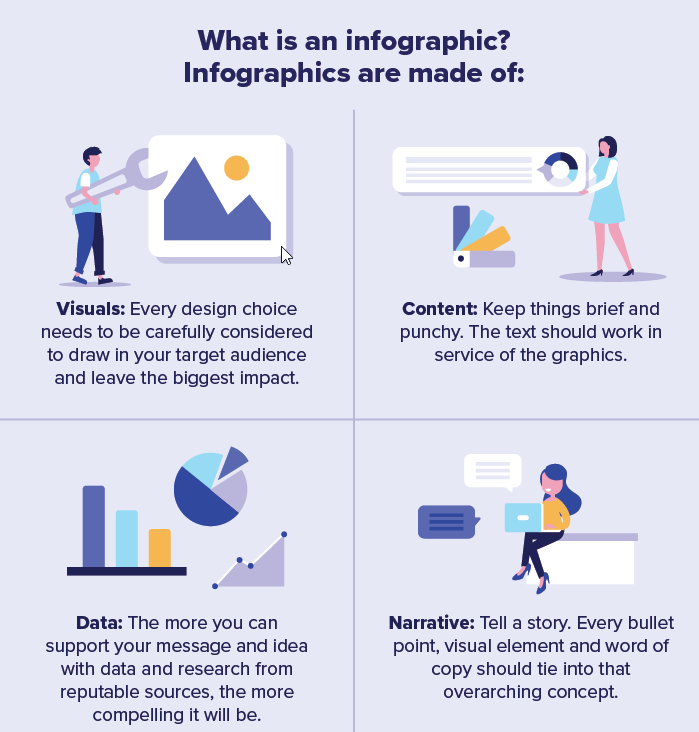
Effective infographic images should:
- Highlight one key benefit or feature at a time.
- Explain product advantages with simple, easy-to-read text.
- Show how the product solves a customer problem.
- Complement the product photos instead of overwhelming them with excessive graphics.
Avoid repeating identical product angles or filling every image with too much information. Clean, informative visuals improve the shopping experience and support better Amazon conversion optimization by helping customers make faster purchasing decisions.
Add Product Videos to Increase Buyer Confidence
Product videos are another essential part of Amazon product page optimization. Videos help shoppers experience your product in ways that static images cannot, making them a valuable asset for increasing engagement and conversions.

An effective product video can demonstrate:
- Product size and dimensions.
- Features and functionality.
- Assembly or setup instructions.
- Real-world usage scenarios.
- Product quality and materials.
Whenever possible, include several video formats, such as product demonstrations, lifestyle videos, and customer review videos. These assets help build trust, reduce purchase hesitation, and complement your Amazon A+ Content by providing shoppers with a complete understanding of your product before they buy.
Build a Strong First Impression Before the Click with an Amazon listing audit
A successful Amazon listing audit doesn’t begin on the product detail page; it begins in the search results. Every element, from your main image and title to your supporting visuals and Amazon A+ Content, works together to improve Amazon SEO, strengthen Amazon listing optimization, and increase conversions. By optimizing your listing before investing more in Amazon PPC, you’ll attract more qualified shoppers, improve click-through rates, and maximize the return on every advertising dollar.
Use Product Titles and Bullet Points to Increase Conversions
High-quality Amazon product images and Amazon product videos grab shoppers’ attention, but your written content is what convinces them to buy. During an Amazon listing audit, reviewing your product title and bullet points is one of the most effective ways to improve Amazon SEO, Amazon PPC, increase your Amazon listing conversion rate, and support long-term Amazon product listing optimization.
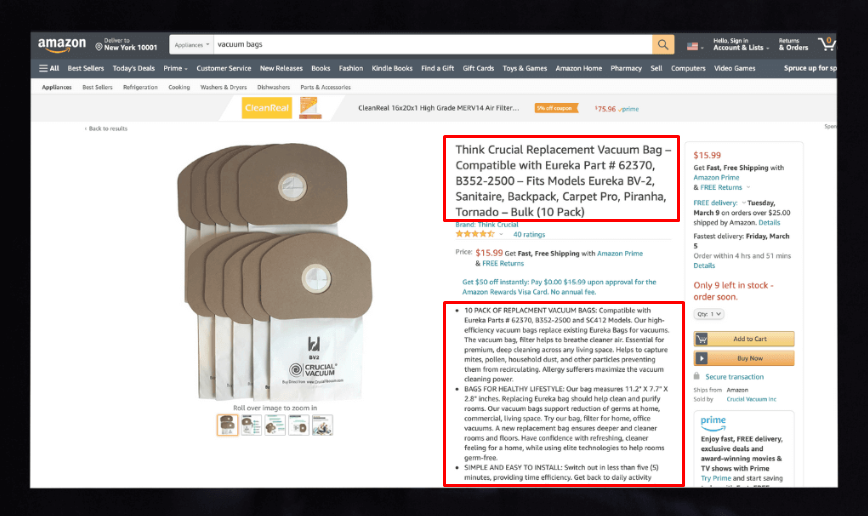
A well-optimized Amazon product listing should help both Amazon’s search algorithm and potential customers understand exactly what you’re selling. Strong titles improve discoverability, while informative bullet points answer buying questions and reduce hesitation. Together, they play a critical role in Amazon product page optimization, Amazon conversion optimization, and the overall success of your Amazon PPC campaigns.
Optimize Your Product Title for Amazon SEO
One of the first steps in how to audit an Amazon listing is evaluating your product title. Your title tells Amazon what your product is and helps determine where it appears in search results. At the same time, shoppers use the title to decide whether your product matches their search intent.
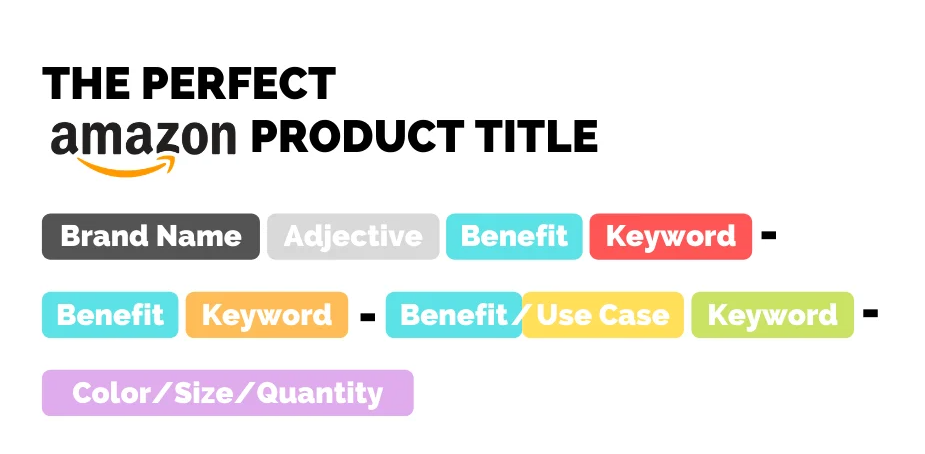
Effective Amazon product title optimization starts with your primary keyword, followed by relevant product details such as:
- Product type
- Material or fabric
- Size or dimensions
- Color or variation
- Quantity or pack size
- Compatibility
- Intended use or application
Avoid stuffing your title with repetitive keywords. Over-optimized titles reduce readability and can hurt both customer experience and Amazon SEO. Instead, focus on creating a natural, informative title that balances search visibility with clarity. This is one of the most important Amazon SEO tips for sellers and a core part of every Amazon listing optimization guide.
During your Amazon listing audit, also review competitor titles and conduct Amazon keyword research to identify valuable search terms you may be missing. Look for opportunities to improve your Amazon product ranking without copying unsupported claims or overusing keywords.
Review Product Descriptions and Backend Search Terms
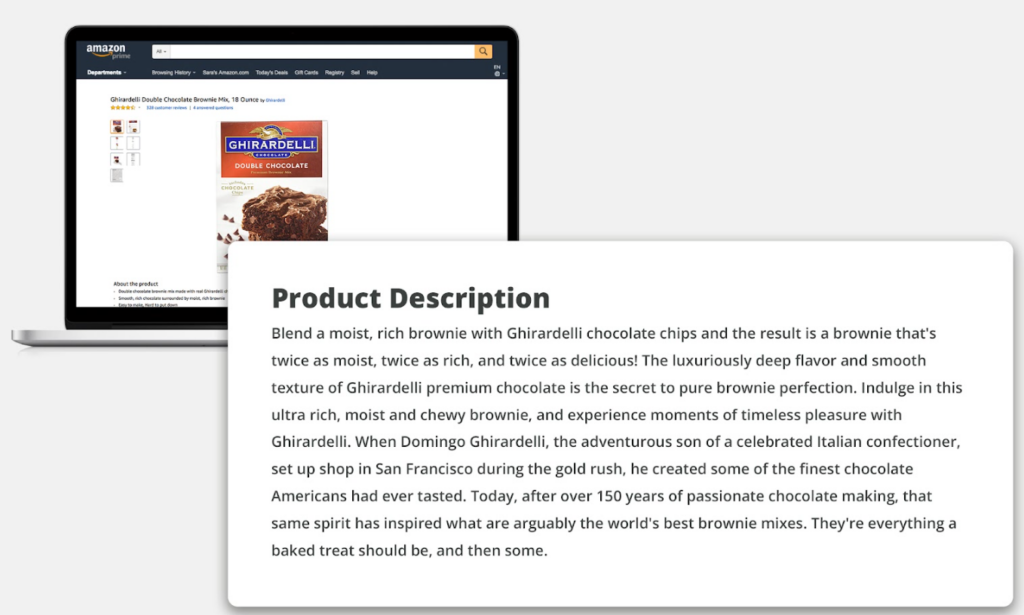
A complete Amazon product listing audit should include more than just the product title. Review your product description and Amazon backend search terms to ensure your keywords are distributed naturally across the listing. This improves Amazon listing quality, strengthens Amazon SEO, and helps Amazon better understand your product without unnecessary keyword repetition.
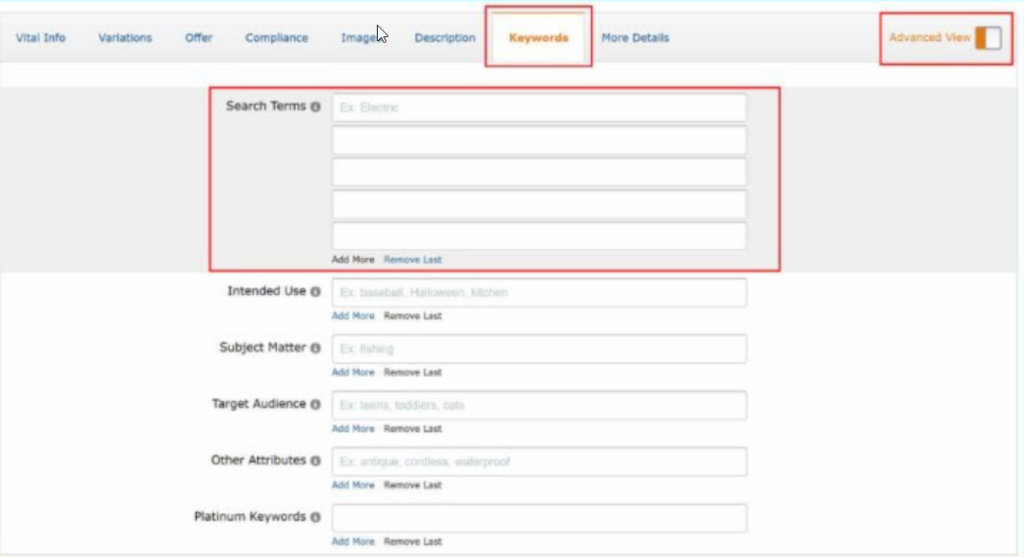
Proper keyword placement also supports Amazon PPC optimization by improving relevance between your listing and the search terms that trigger your ads. Better relevance can contribute to stronger Amazon advertising conversion, lower Amazon ACOS, and higher Amazon ROAS over time.
Optimize Bullet Points to Answer Customer Questions
Another essential step in how to optimize an Amazon product listing is improving your bullet points. Effective Amazon bullet point optimization gives shoppers the information they need to make a confident purchase while supporting Amazon product page optimization.
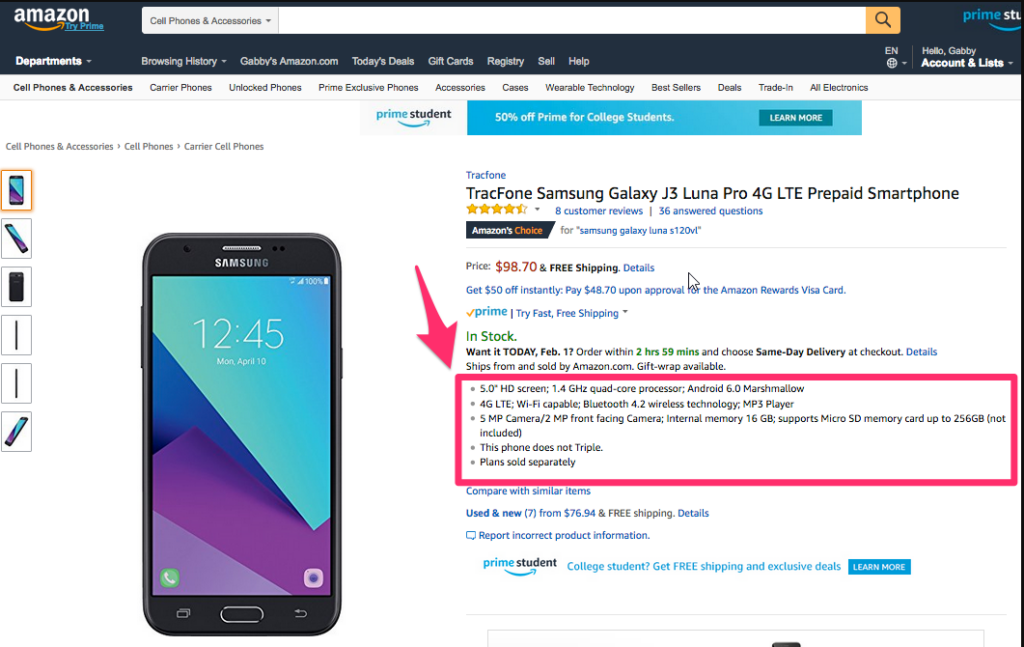
Each bullet point should clearly communicate a specific benefit instead of relying on generic marketing claims. Focus on information that helps customers compare products and understand why your product is the better choice.
Your bullet points should typically include:
- The product’s primary benefit and intended use.
- Key features, materials, and specifications.
- Dimensions, included accessories, or package contents.
- Compatibility, care instructions, or usage guidelines.
- Relevant keywords that fit naturally within the copy.
Well-written bullet points improve product listing conversion, increase customer confidence, and encourage shoppers to spend more time on your Amazon product detail page. They also complement your Amazon product images, Amazon infographic images, Amazon product videos, and Amazon A+ Content, creating a complete buying experience.
Compare Price and Delivery Date with Competing Listings
A complete Amazon listing audit should always include a review of your pricing and delivery promise. Before shoppers even visit your Amazon product listing, they compare prices, shipping speed, ratings, and product images directly from the search results. If your offer appears less competitive than similar products, you may lose clicks and sales even if your product is better.

Price Your Product Competitively
Effective Amazon listing optimization isn’t about offering the lowest price. Instead, your pricing should reflect the value of your product while remaining competitive within your category. Customers compare multiple factors before making a purchase, including product features, quality, pack size, customer reviews, and shipping options.
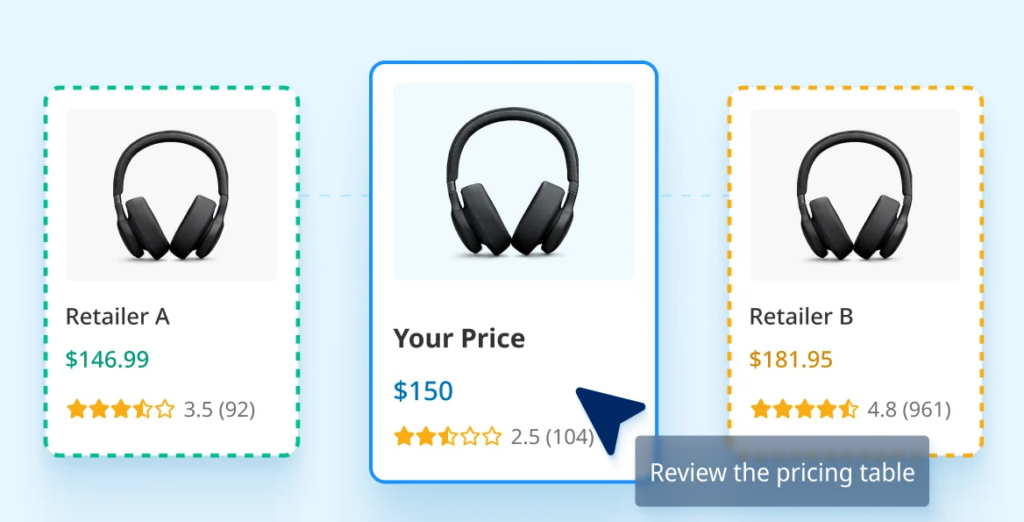
During your Amazon product listing audit, compare your pricing with the top-ranking competitors for your primary keyword. If your product is priced higher, make sure your Amazon product page optimization clearly communicates why it’s worth the additional cost. High-quality product images, compelling descriptions, strong Amazon A+ Content, and positive customer reviews can justify a premium price and improve Amazon conversion optimization.
Review Your Delivery Promise
Shipping speed is another important factor that influences purchasing decisions. When similar products appear in search results, shoppers often choose the one that offers the fastest delivery. A longer estimated delivery date can reduce your click-through rate and lower your Amazon listing conversion rate, even if your price is competitive.
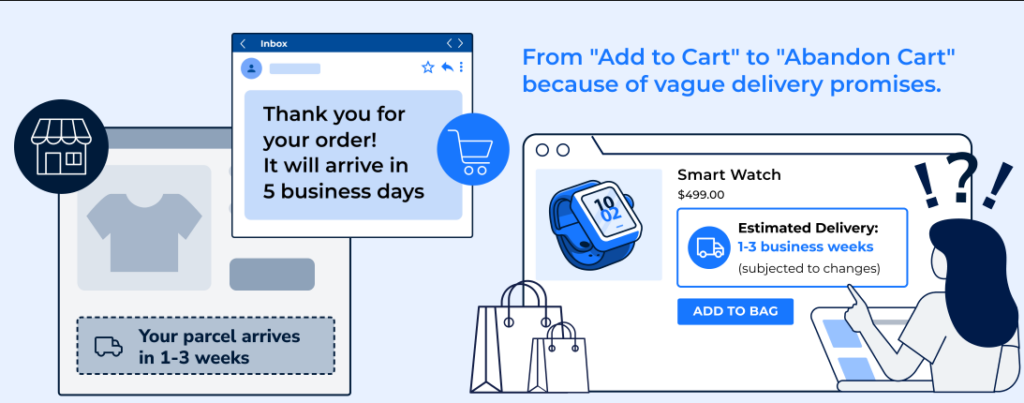
As part of your Amazon listing audit, review your delivery estimates alongside competing offers. If you use Fulfillment by Amazon (FBA), ensure your inventory remains in stock to maintain Prime eligibility and fast shipping. If you fulfill orders yourself, evaluate your shipping settings and handling times to provide the best possible delivery experience.
Balance Price, Value, and Customer Experience to support Amazon PPC
Successful Amazon listing optimization is about creating the best overall offer, not simply lowering your price. A competitive price, fast delivery, optimized Amazon product listing, and a strong customer experience work together to improve Amazon SEO, support your Amazon PPC campaigns, and increase conversions.
When customers see clear value in your offer, they’re more likely to click your listing, complete a purchase, and return in the future. That’s why reviewing price and delivery should be a key step in every Amazon listing audit and an essential part of any long-term Amazon product listing optimization strategy.
Understand the Difference Between Amazon FBA and FBM
Shipping speed plays a major role in Amazon listing optimization and can significantly impact your Amazon conversion optimization efforts. During an Amazon listing audit, it’s important to evaluate not only your product content but also how quickly customers can receive their orders. Even if your Amazon product listing is well-optimized, a slow delivery estimate can reduce clicks and conversions.
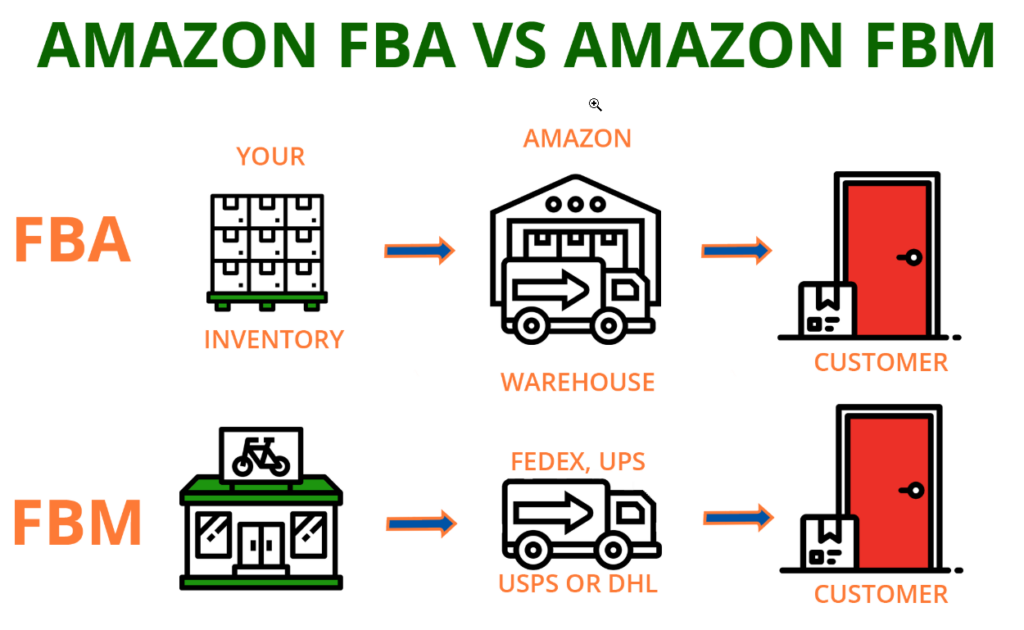
Amazon FBA vs. Amazon FBM
There are two primary fulfillment methods on Amazon:
- Fulfillment by Amazon (FBA): Amazon stores, packs, and ships your products. FBA listings often qualify for Prime shipping, which can improve delivery speed, increase customer trust, and enhance the overall shopping experience.
- Fulfillment by Merchant (FBM): You manage storage, packing, and shipping yourself. Delivery speed depends on your handling time, shipping settings, and carrier performance.
Both fulfillment methods can be successful, but they create different customer experiences that should be evaluated during your Amazon product listing audit.
Optimize Your Delivery Experience
If your business can support Amazon FBA, it may help improve your Amazon product page optimization by offering faster and more reliable delivery options. Many shoppers prioritize products with shorter delivery times, especially when comparing similar listings with comparable prices and reviews.
If you sell through Amazon FBM, regularly review your handling time, shipping methods, and carrier performance. Reducing delivery times whenever possible can improve customer satisfaction and increase your Amazon listing conversion rate.
Delivery Speed Affects Conversions and Amazon PPC
Customers often compare several products before making a purchase. When product quality, pricing, and reviews are similar, the estimated delivery date can become the deciding factor. Faster shipping not only improves the customer experience but also supports your Amazon SEO performance by increasing click-through rates, conversions, and overall listing performance.
As part of your Amazon listing audit, compare your delivery promise with competing listings in your category. A fast, reliable shipping experience combined with strong Amazon product listing optimization, compelling Amazon A+ Content, and well-managed Amazon PPC campaigns creates a more competitive offer and helps drive long-term sales growth.
Use Amazon A+ Content to Build Trust and Increase Conversions
One of the most valuable steps in an Amazon listing audit is evaluating your Amazon A+ Content. While your product title, bullet points, and images provide essential information, Amazon A+ Content gives you additional space to showcase your product, communicate your brand story, and create a more engaging shopping experience. When used effectively, it strengthens Amazon listing optimization, improves Amazon product page optimization, and supports higher conversion rates.
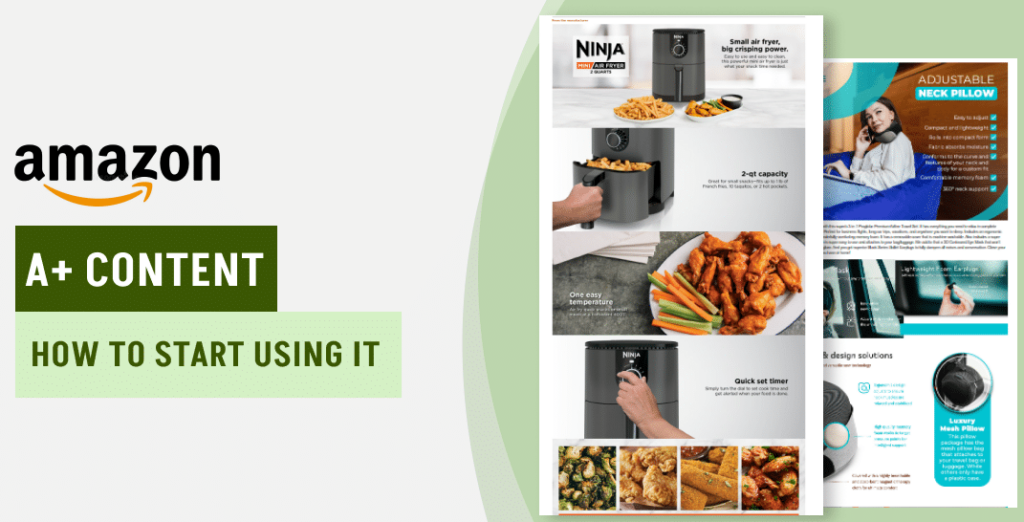
A well-designed A+ section helps customers understand not only what your product does but also why it is the right choice. It answers common buying questions that may not fit naturally into your product title or bullet points, making it an essential part of Amazon conversion optimization.
Show Your Product in Real-Life Situations
Lifestyle images are one of the most effective elements of Amazon A+ Content because they help shoppers visualize the product in everyday use. Instead of displaying your product on a plain white background, show it being used in a realistic environment that highlights its purpose, size, and benefits.
For example, furniture can be shown in a fully decorated room, kitchen products in a cooking environment, or beauty products during actual application. These images create an emotional connection with shoppers while helping them better understand how the product fits into their daily lives.
Including lifestyle imagery also improves the overall quality of your Amazon product listing by making the page more engaging and informative.
Highlight Your Brand Story
If you’re a registered brand, your Amazon A+ Content is the ideal place to introduce your business and build customer trust. Share what makes your brand unique, your commitment to quality, or the values behind your products. Keep the messaging focused on how your brand benefits the customer rather than simply promoting your company.

A strong brand story can differentiate your Amazon listing from competitors, increase shopper confidence, and encourage repeat purchases.
Organize A+ Content for Better Customer Experience and Better Results from Amazon PPC
Successful Amazon listing optimization is about presenting information clearly and logically. Your Amazon A+ Content should guide shoppers through the page by combining product benefits, comparison charts, feature highlights, and lifestyle images into an easy-to-follow visual layout.
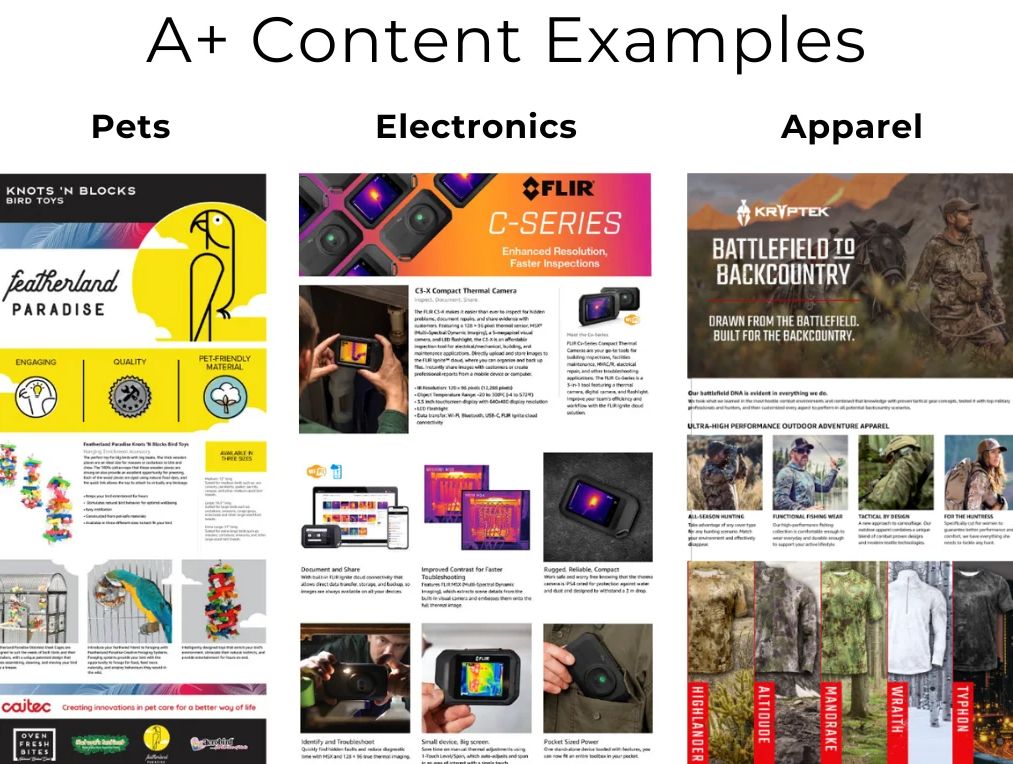
Instead of repeating information already covered in your product title or bullet points, use this section to provide additional value by explaining product features, demonstrating real-world applications, and answering common customer questions.
Strengthen Your Amazon Listing Optimization Strategy to Help Amazon PPC
As part of your Amazon listing audit, review whether your Amazon A+ Content supports the rest of your Amazon product listing. High-quality A+ modules complement your product images, bullet points, and descriptions while improving the overall shopping experience.
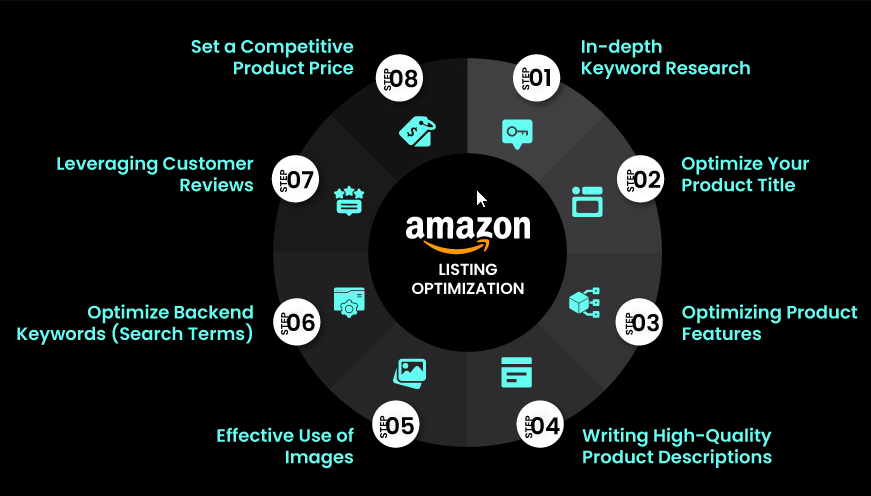
When combined with strong Amazon SEO, optimized product content, and well managed Amazon PPC campaigns, Amazon A+ Content helps increase customer engagement, improve Amazon conversion optimization, and maximize the performance of your Amazon listing optimization strategy. A compelling and informative product page gives shoppers more confidence to purchase, helping turn more clicks into long-term sales.
How to Optimize Your Product Listing for Better Conversions
Audit the elements that shape the first decision first, then move deeper into the product page. This order helps you identify the issues most likely to affect clicks and conversions and achieve the best performance from Amazon PPC.
| Audit area | What to review | What a shopper should understand |
| Search-results appearance | Main image, title, rating, price, delivery estimate | What the product is and why it deserves a click |
| Image gallery | Product photos, infographics, lifestyle visuals | Features, size, use, and product details |
| Video | Product videos, related videos, review videos | How the item looks or works in real use |
| Written content | Title, bullets, description, backend terms | Whether the product meets their needs |
| Offer details | Price and delivery date | Whether the item is a competitive choice |
| A+ Content | Lifestyle imagery, benefits, brand story | Why the product and brand are worth choosing |
The table is a practical review tool, but the order matters.
Start by searching for your product’s primary keyword and compare your listing with the top-ranking competitors in the search results. Evaluate how your product stands out in terms of the main image, title, pricing, ratings, and shipping promise. This comparison helps you understand what customers see before they click.
Next, open your product listing and verify that the product page fulfills the expectations created by the search result. Ensure your images, product title, bullet points, description, and key features clearly communicate the value of your product and provide all the information shoppers need to make a purchase.
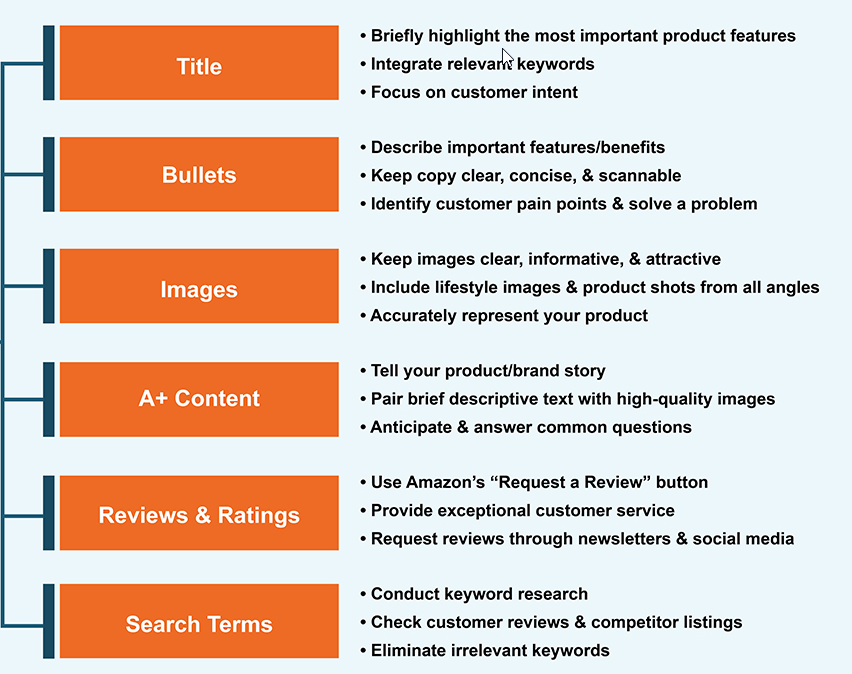
As you review the listing, take notes instead of trying to update everything at once. Prioritize improvements that have the biggest impact on conversions. Focus first on critical issues such as:
- Low-quality or blurry main product images
- Missing or weak bullet points
- Incomplete product descriptions
- Uncompetitive pricing or delivery promise
- Missing product specifications or key features
Once these major issues are resolved, revisit the listing from a customer’s perspective. Ask yourself whether the page is trustworthy, easy to understand, visually appealing, and persuasive enough to encourage a purchase. Continuous optimization based on customer experience and competitor analysis can significantly improve your product visibility, click-through rate (CTR), and conversion rate.
Make Each Click More Likely to Convert with Amazon Listing Optimization
Driving traffic through Amazon PPC is only half the battle. To maximize your advertising investment, your Amazon product listing must convince shoppers to click Add to Cart. Every visitor represents an opportunity, and effective Amazon listing optimization ensures you make the most of each one.
A successful Amazon listing audit starts by evaluating what customers notice first. Your main product image should capture attention, while your title, pricing, ratings, and delivery promise should encourage shoppers to choose your product over competing listings. These elements directly influence both click-through rate (CTR) and conversion rate.
Once customers land on your Amazon product listing, the page should answer their questions quickly and clearly. High-quality lifestyle images, informative bullet points, compelling product descriptions, and detailed specifications help shoppers understand the product’s value and make confident purchasing decisions. This is the foundation of effective Amazon product page optimization.
Regular Amazon listing audits help identify opportunities to improve images, content, pricing, fulfillment options, and customer experience. By consistently reviewing and refining your listings, you can strengthen your Amazon product listing optimization strategy, improve organic rankings through Amazon SEO, and generate better results from your Amazon PPC campaigns.
Whether you’re launching a new product or improving an existing Amazon listing, ongoing optimization is essential for long-term success. A well-optimized product page attracts more qualified traffic, converts more shoppers into customers, and helps your business grow sustainably.
If you need expert assistance with an Amazon listing audit, Amazon listing optimization, Amazon product listing optimization, Amazon SEO, Amazon product page optimization, or Amazon A+ Content, contact the team at Ecomclips. Our Amazon specialists can help you improve your listings, increase conversions, and maximize your marketplace performance.
If you need help reviewing a listing or have questions about the process, contact the team at Ecomclips. More practical selling topics are available through the Ecomclips Amazon seller blog. You can also browse more video content on the Ecomclips YouTube channel.