
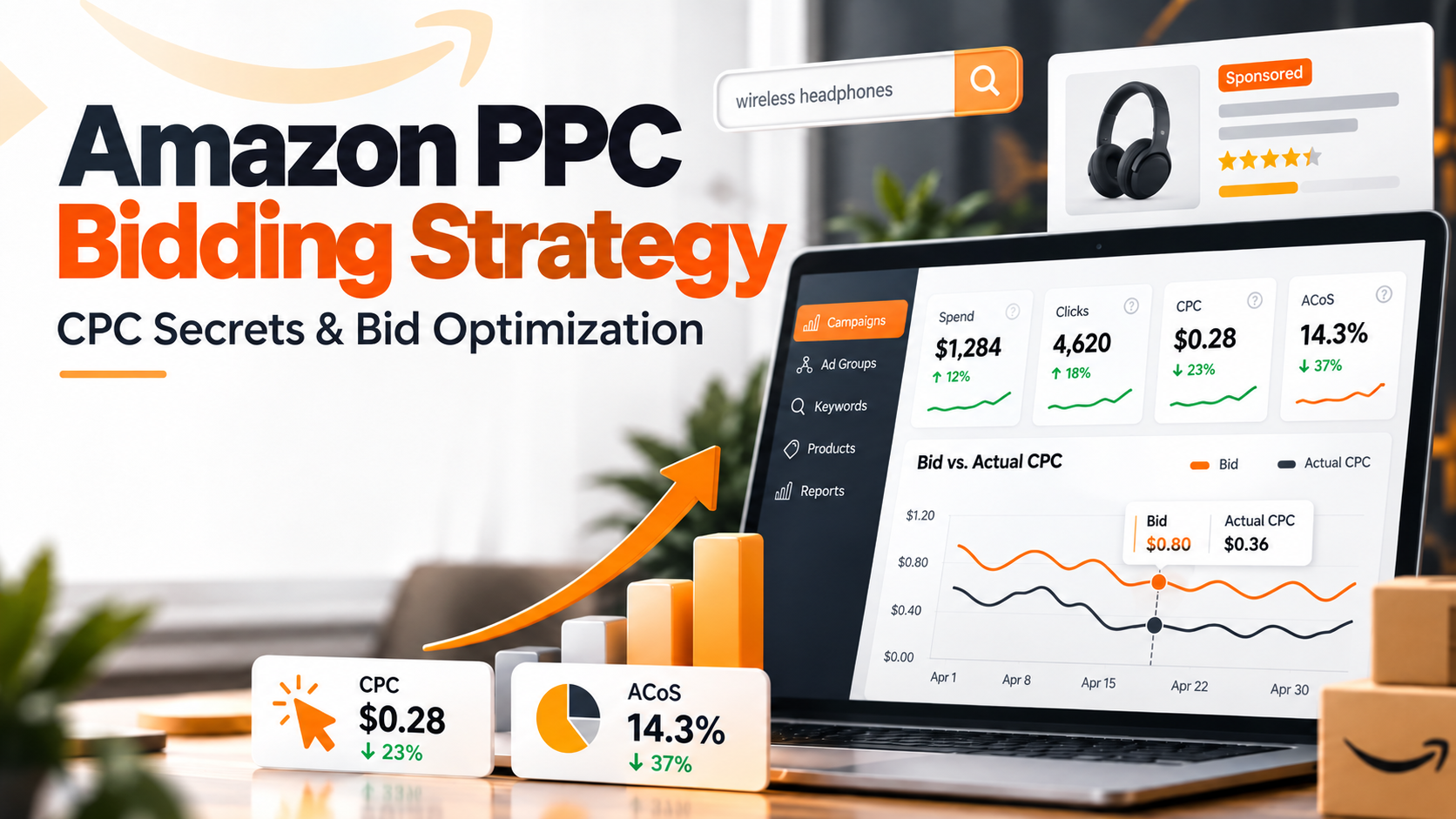
A $2.50 bid in Amazon PPC does not mean Amazon will charge you $2.50 for every click. Your actual Amazon CPC (cost per click) can be significantly lower than your bid, depending on the auction and competition. Understanding the difference between your bid and actual CPC is an important part of effective Amazon PPC bidding and Amazon PPC optimization.
Your actual CPC can directly impact ACoS, TACoS, sales volume, and profitability. That’s why a strong Amazon PPC bidding strategy should consider more than just the bid amount. Amazon keyword bidding, placement, click-through rate, conversion rate, and total sales all play an important role in determining campaign performance.
ACoS is an important metric in Amazon advertising, but it should not be evaluated in isolation. A successful Amazon PPC strategy looks at CPC, sales, conversion performance, and overall profitability before making bid changes. Through continuous Amazon bid optimization and data-driven Amazon PPC optimization, advertisers can make more informed decisions about when to increase, decrease, or maintain their bids.
Your Bid Is Not Your Actual CPC
In Amazon PPC, your bid is not the same as your actual Amazon CPC. Your bid is the maximum amount you’re willing to pay for a click, while CPC (cost per click) is the amount Amazon actually charges when a shopper clicks your ad. Understanding this difference is an important part of an effective Amazon PPC bidding strategy.
For example, you may set a $2.00 bid but pay $1.50 per click. That difference matters because your actual Amazon CPC influences your advertising spend, Amazon ACoS, Amazon TACoS, sales volume, and overall profitability. Your bid is the amount you offer in the auction; your CPC is the actual cost associated with the click.
Why Can CPC Be Lower Than Your Bid?
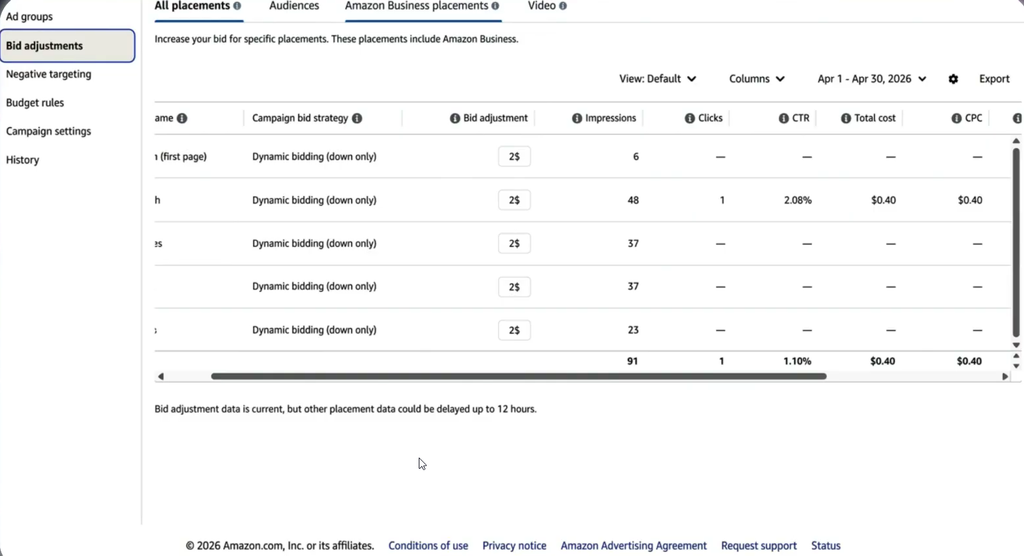
The manual Amazon PPC campaign shown uses dynamic bids—down only. With this bidding option, Amazon can reduce your bid when it determines that a click is less likely to convert or when the full bid is not necessary to compete for the available traffic.
However, a lower CPC does not automatically mean a keyword is performing better. It only tells you how much you are paying for clicks. Your Amazon PPC strategy should also consider impressions, clicks, Amazon CTR (click-through rate), conversions, sales, Amazon ACoS, and Amazon TACoS.
How This Impacts Amazon PPC Optimization
Effective Amazon bid optimization requires looking beyond the bid amount. When managing Amazon keyword bidding, analyze the relationship between CPC, CTR, conversion rate, sales, and profitability before making bid changes.
A strong Amazon advertising strategy focuses on the complete performance picture rather than simply trying to achieve the lowest CPC. By combining data-driven Amazon PPC bidding with ongoing optimization, you can make more informed bid decisions, control advertising costs, and improve overall Amazon advertising performance.
What a Manual Keyword Campaign Can Reveal
A manual Amazon PPC campaign can reveal an important difference between your bid, Amazon’s suggested bid, and the actual Amazon CPC you pay. In the example below, broad-match keywords have suggested bid ranges that are significantly higher than the current bids, while the actual CPCs are different again.
| Campaign Data Point | Example 1 | Example 2 | Example 3 |
| Amazon suggested bid range | $3.20–$4.72 | $3.12–$4.87 | Not shown |
| Current bid | $2.50 | $2.30 | Not shown |
| Actual Amazon CPC | $1.65 | $2.14 | $1.67 |
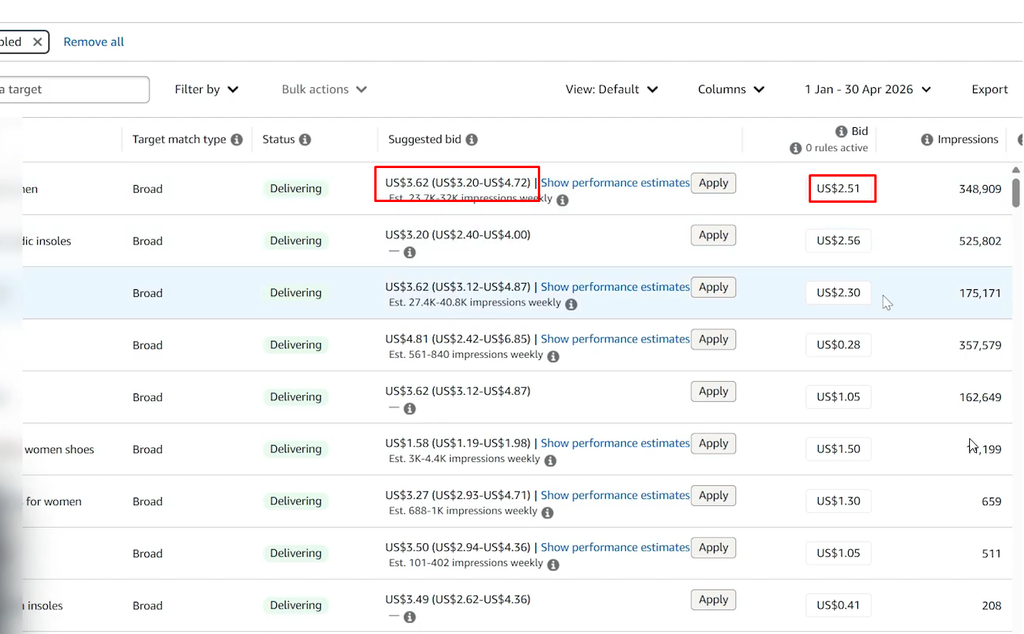
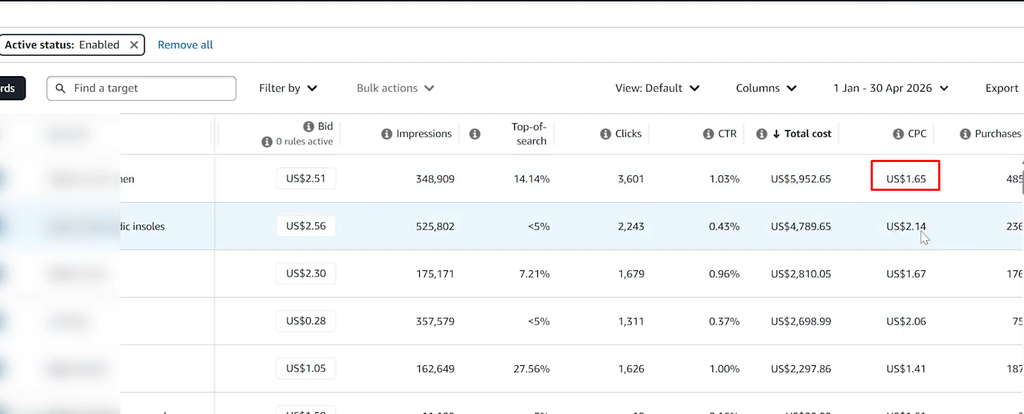
The Amazon suggested bid represents the bid range Amazon provides as guidance for competing in the auction. Your current bid represents the maximum amount you’re willing to offer for a click. Your actual Amazon CPC, however, is determined by the auction and can be different from both.
This is why understanding Amazon CPC vs. bid is important when developing an effective Amazon PPC bidding strategy. A higher bid does not necessarily mean you will pay that exact amount for every click, and a lower bid does not automatically result in a lower CPC.
Don’t Judge a Keyword on CPC Alone
Before changing your bids as part of your Amazon PPC strategy, review the keyword’s overall performance, including:
- Amazon top of search placement: Check whether the keyword is generating valuable visibility in prominent search positions.
- Impressions and Amazon CTR: Determine whether the keyword is attracting relevant traffic and generating clicks.
- Amazon conversion rate and sales volume: Measure whether the clicks are actually turning into orders and revenue.
- Amazon ACoS and Amazon TACoS: Evaluate advertising efficiency and the impact of the campaign on overall sales.
- Product margin and campaign goal: Consider profitability, growth objectives, and how much advertising spend the product can support.
A keyword with a lower Amazon CPC can still have a higher ACoS if it generates clicks but fails to convert. On the other hand, a higher-CPC keyword may still improve your Amazon advertising performance if it drives enough sales and supports your overall TACoS target.
Effective Amazon PPC bidding is therefore not simply about finding the lowest CPC. A strong Amazon PPC strategy considers Amazon CPC, bid levels, top-of-search placement, CTR, conversion rate, ACoS, TACoS, and sales performance together. This data-driven approach helps you make more informed bidding decisions and optimize your Amazon advertising campaigns.
Check Amazon Top of Search Before Adjusting CPC
When managing Amazon PPC, placement can significantly affect how you interpret Amazon CPC and keyword performance. Before changing a bid, look beyond CPC and review where your ads are appearing, how many impressions they receive, and how shoppers interact with them.
For example, one keyword had approximately 14% Amazon top-of-search placement, around 3,500 impressions, and an Amazon CTR of about 1%. Despite having fewer impressions, this keyword generated the strongest sales results within the group.
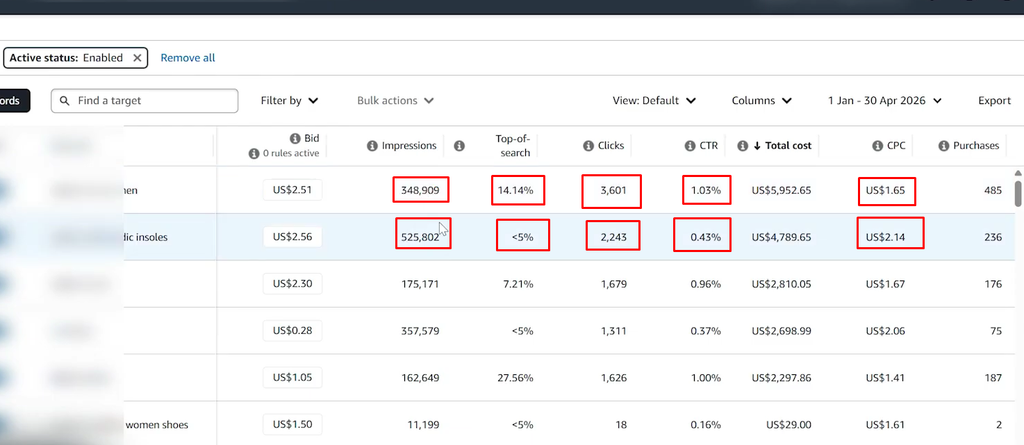
Another keyword had less than 5% Amazon top-of-search placement but received more than 500,000 impressions. Although it had much higher search volume and visibility, its CTR was below 0.5%.
High Search Volume Doesn’t Guarantee Better Results
A high-volume keyword can generate a large number of impressions even with relatively low Amazon top-of-search placement. However, impressions alone do not guarantee clicks, conversions, or sales.
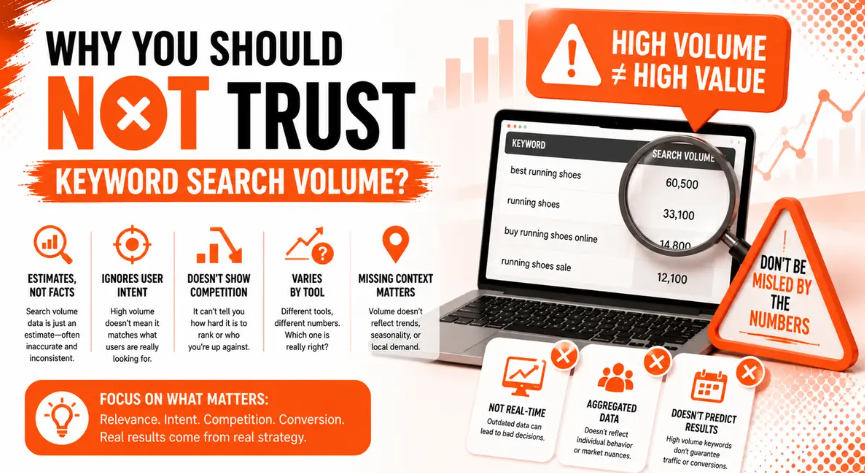
This is why your Amazon PPC strategy should evaluate Amazon top-of-search placement, impressions, Amazon CTR, CPC, conversion rate, and sales together. A keyword with fewer impressions can still deliver stronger advertising results when its traffic generates higher engagement and more sales.
Consider ACoS and TACoS Before Increasing Your Bid
If a keyword has low Amazon top-of-search placement but a relatively high Amazon CPC, take a closer look before increasing the bid. Review the keyword’s Amazon ACoS, Amazon TACoS, available budget, sales volume, and target ACoS to determine whether additional investment makes sense.
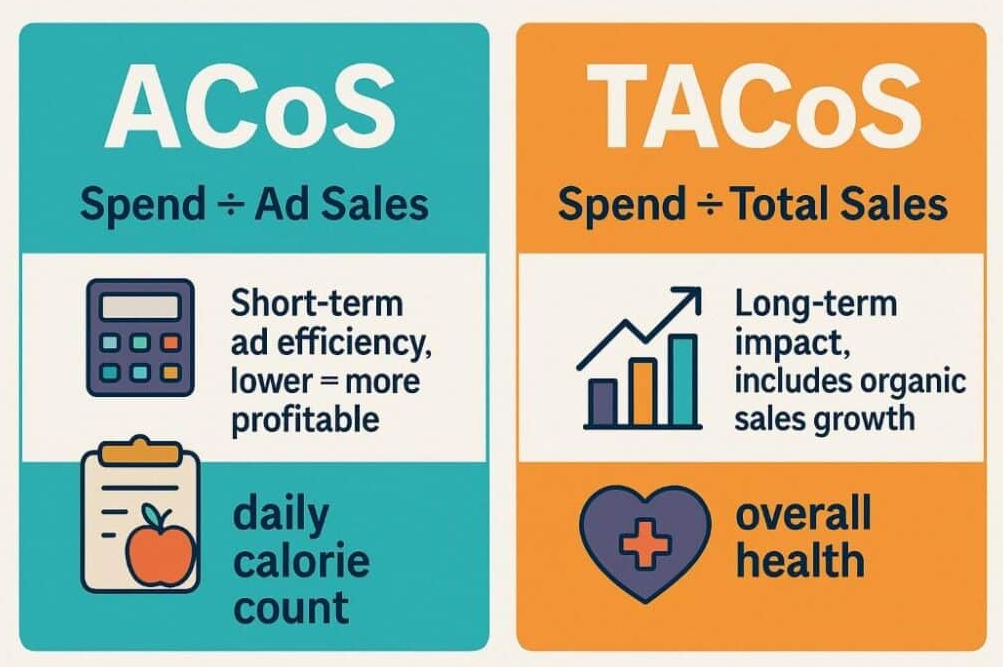
An effective Amazon PPC bidding strategy is not simply about increasing bids to gain more top-of-search visibility. Instead, Amazon advertising decisions should be based on how placement and CPC contribute to clicks, conversions, sales, ACoS, and overall TACoS.
By analyzing these metrics together, you can make more informed Amazon PPC bidding decisions and improve your Amazon advertising performance without relying on search volume or CPC alone.
How Amazon CPC Changes ACoS and Profitability
Amazon CPC (cost per click) can have a direct impact on advertising costs, but a lower CPC does not automatically mean better profitability. In Amazon PPC, you need to evaluate it alongside ACoS, conversion performance, CTR, sales, and overall business results.
For example, one keyword with an Amazon CPC of $1.65 generated approximately $36,000 in sales with an ACoS of slightly above 16%. Another keyword had a similar or even lower CPC but an Amazon ACoS of around 22%.
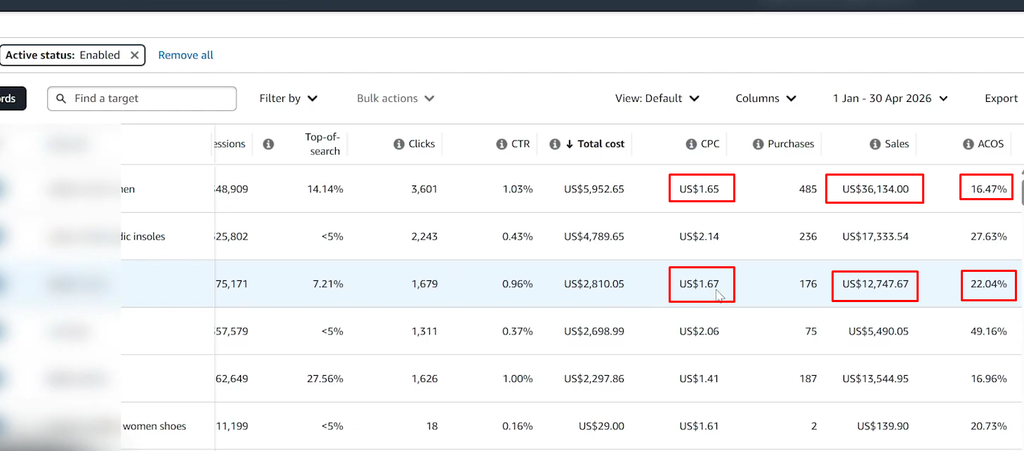
The second keyword had reasonable top-of-search placement and Amazon CTR, but its conversion rate was not as strong. As a result, the lower CPC did not translate into a better ACoS. This demonstrates why CPC should always be evaluated together with conversion and sales performance.
A High Amazon CPC May Still Generate More Sales
Another keyword had an Amazon CPC of approximately $2.14. It generated more sales, but its ACoS was also higher because its conversion performance was weaker and its Amazon CTR was below 0.5%.
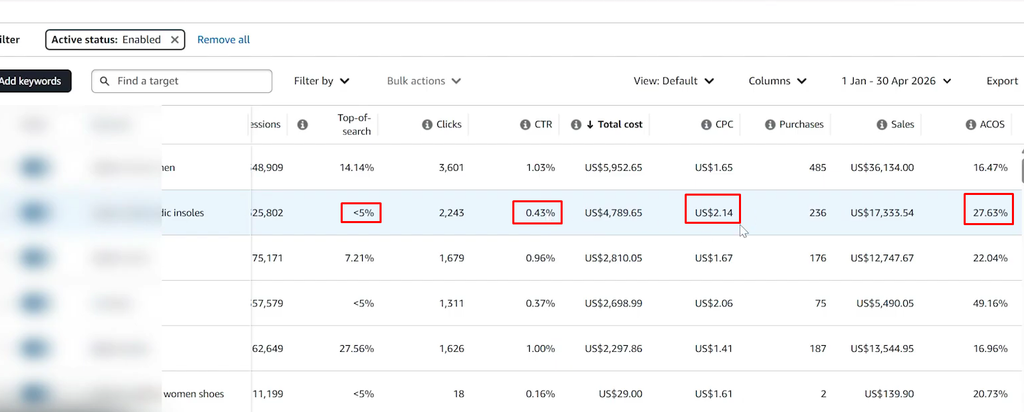
Whether a keyword should receive more budget depends on several factors, including product margin, target ACoS, sales volume, CPC, conversion rate, and overall Amazon TACoS. A higher CPC is not automatically a reason to reduce a bid. If the resulting sales and overall business performance justify the advertising cost, the keyword may still have a role in the Amazon PPC strategy.
Why Amazon TACoS Provides a Wider View
Amazon ACoS measures advertising spend against sales attributed to advertising, while Amazon TACoS provides a broader view by comparing advertising spend with total sales. This makes TACoS an important metric when evaluating the overall impact of Amazon advertising on a business.
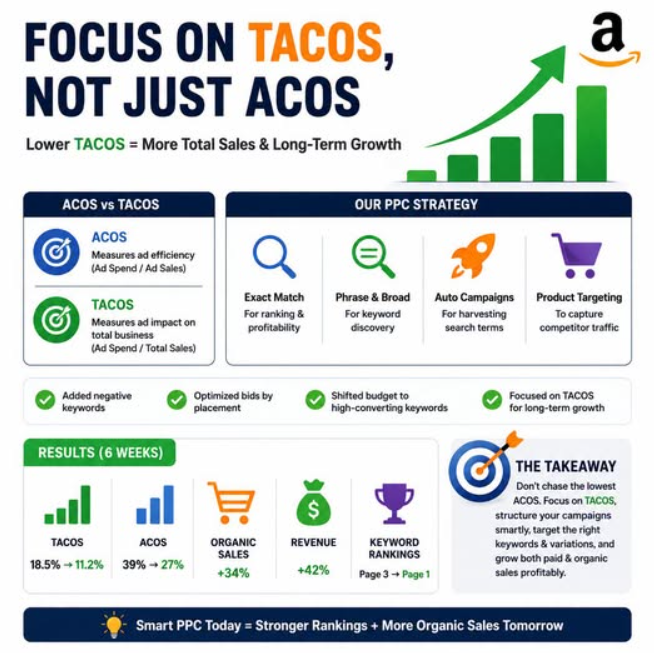
For example, in some supplement campaigns, sellers may pay $7–$8 CPCs and see advertising ACoS reach 70%–80%, while maintaining an overall TACoS of around 10%. In these situations, PPC may not appear profitable when viewed in isolation, but the advertising can contribute to total sales, Subscribe & Save customers, and organic sales.
Keyword Campaigns and ASIN Targeting Behave Differently
In Amazon PPC, keyword targeting and Amazon ASIN targeting can behave differently because they reach shoppers in different parts of the buying journey. Understanding these differences is important when developing an effective Amazon PPC bidding and Amazon advertising strategy.
Amazon Keyword Targeting and Competition
Amazon keyword targeting can face significant competition because multiple advertisers may be bidding on the same search terms. When many advertisers compete for a keyword, Amazon suggested bids can be higher, which may also result in higher Amazon CPC and increased Amazon ad spend.
For example, the keyword campaign data may show higher suggested bid ranges and individual CPCs compared with an ASIN-targeted campaign. Advertisers should evaluate these differences using key Amazon PPC metrics, including CPC, CTR, impressions, sales, ACoS, and TACoS.
How Amazon ASIN Targeting Works
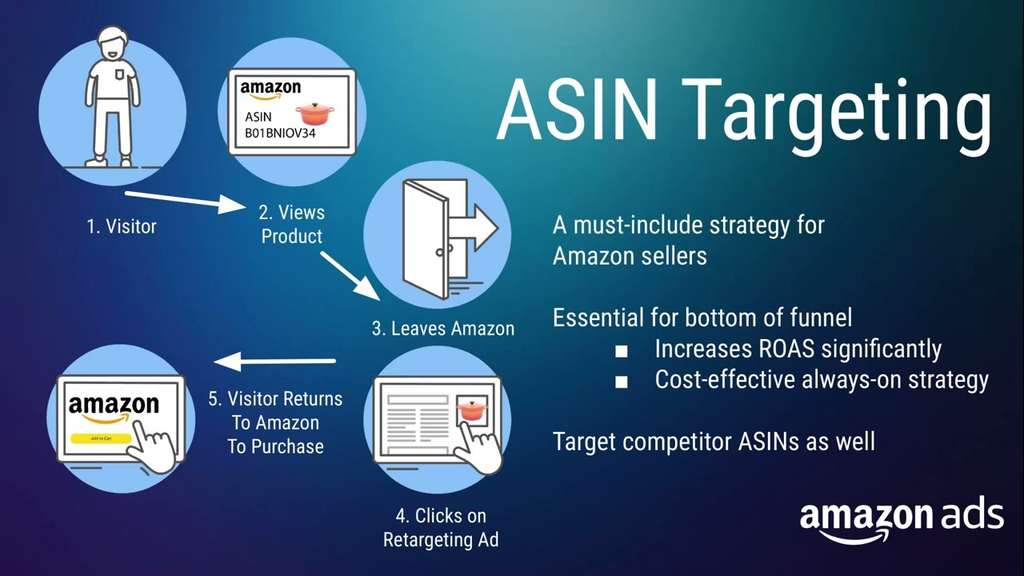
Amazon ASIN targeting, also known as Amazon competitor targeting, allows advertisers to target specific product detail pages. With Amazon Sponsored Products, these ads can appear when shoppers browse competitor products, creating an opportunity to reach customers while they are evaluating similar products.
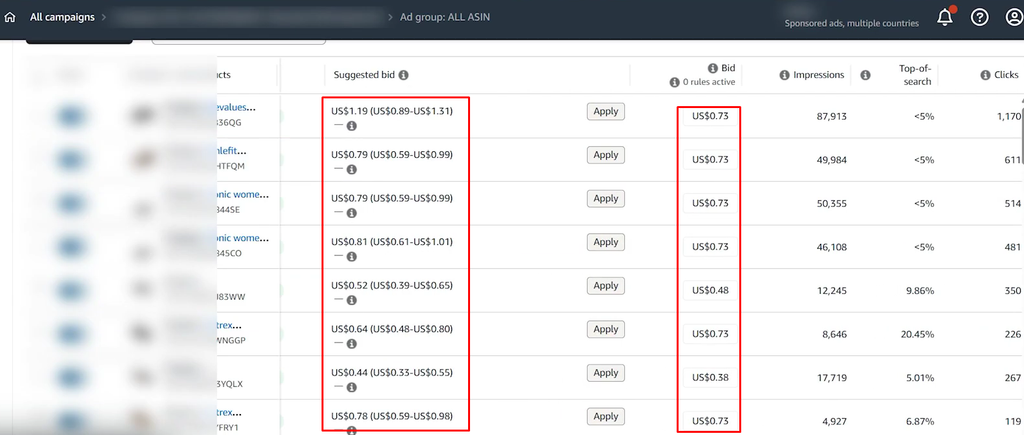
In the example, the ASIN-targeted campaign showed lower suggested bid ranges:
| ASIN Campaign Metric | Example Data |
| Suggested bid range | About $0.89–$1.30 |
| Another suggested range | About $0.59–$0.99 |
| Individual CPCs | About $0.83–$0.85 |
| Average CPC | About $0.74 |
| CTR range | About 1%–3% |
These figures show that ASIN targeting can operate with relatively low CPC while still generating meaningful engagement. However, performance should always be evaluated using the complete set of Amazon PPC metrics rather than CPC alone.
ASIN Campaigns Can Combine Lower CPC With Strong Placement
The ASIN campaign targeted competitor products and showed that some targets could achieve stronger Amazon top-of-search placement while maintaining relatively low CPC.
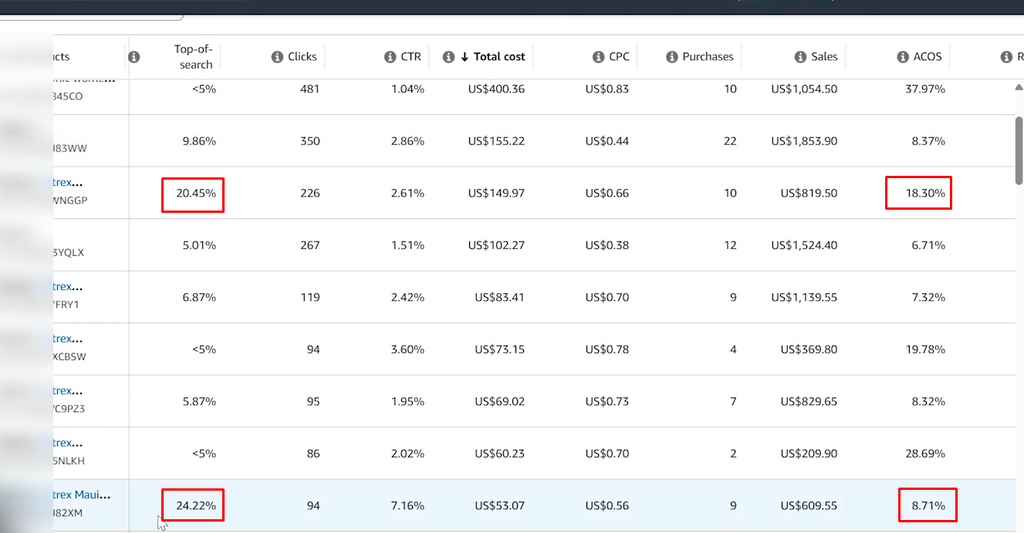
Although many competitor ASINs had less than 5% top-of-search share, some targets performed differently. One ASIN had approximately 18% ACoS, another had approximately 8% ACoS, while a third achieved more than 24% top-of-search placement while keeping ACoS below 9%.
These differences highlight why Amazon competitor targeting should be analyzed at the individual target level. A target with lower CPC may not necessarily produce better results, while a target with higher Amazon CPC may generate stronger sales and justify its advertising cost.
Keyword Targeting vs. ASIN Targeting
The key difference is the targeting environment. Keyword targeting reaches shoppers based on the search terms they enter, where multiple advertisers may compete for the same search traffic. ASIN targeting, on the other hand, reaches shoppers while they are browsing specific product detail pages.
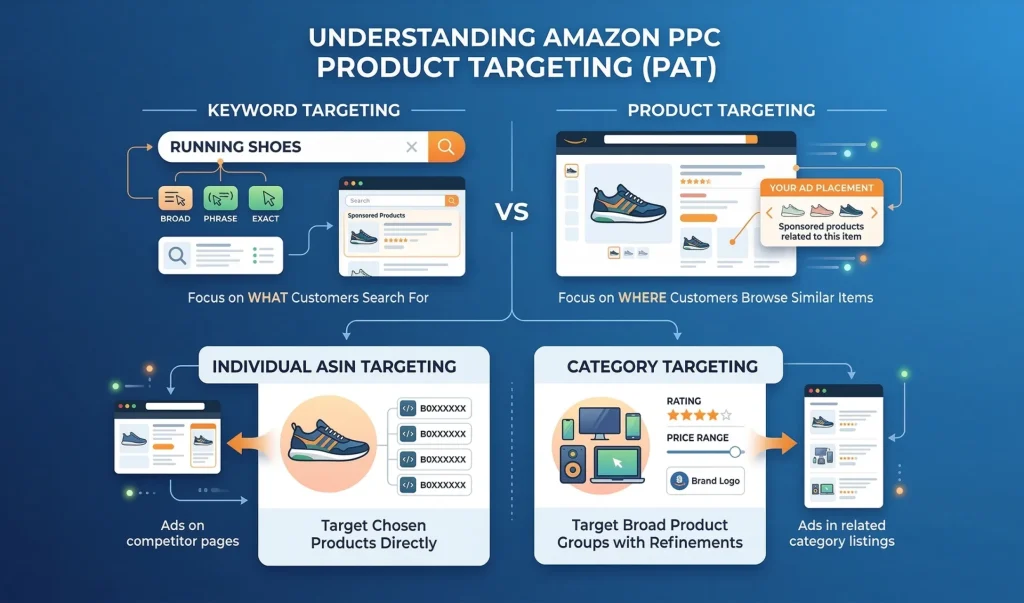
For an effective Amazon PPC strategy, advertisers can evaluate both approaches based on Amazon CPC, Amazon CTR, Amazon ACoS, Amazon TACoS, sales, placement, and Amazon ad spend. Comparing these metrics helps determine where the advertising budget is generating meaningful traffic and sales.
Rather than focusing only on lower bids or lower CPC, a data-driven Amazon PPC bidding strategy should consider the role of each targeting type within the overall Amazon advertising strategy. Testing keyword targeting alongside Amazon ASIN targeting can provide a broader view of how different audiences and placements contribute to PPC performance.
Use a Target ACoS to Set a Maximum CPC
In Amazon PPC, your target ACoS can help you estimate how much CPC a keyword can support. Instead of adjusting bids based only on guesswork, you can use your target Amazon ACoS to calculate a maximum CPC and create a more data-driven Amazon PPC bidding strategy.
For example, one keyword in the campaign had less than 5% top-of-search placement, more than 27% ACoS, a $2.14 Amazon CPC, and a current bid of $2.50.
| Target Amazon ACoS | Estimated Maximum CPC | What the Change Tests |
| 35% | $2.57 | Whether a higher CPC can improve impressions, placement, and sales |
| 20% | $1.55 | Whether a lower CPC can control ACoS while maintaining efficient spend |
Testing a Higher Maximum CPC

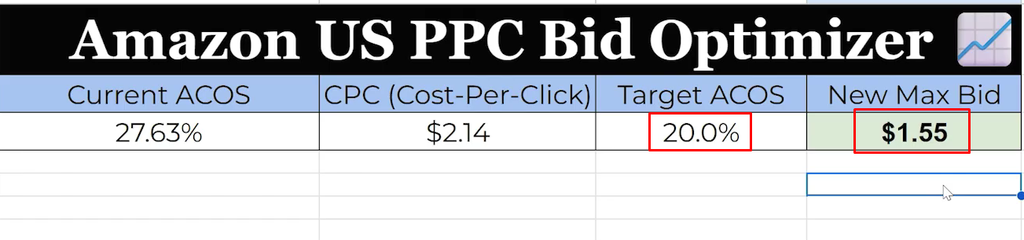
If your goal is a 35% maximum Amazon ACoS, the calculated maximum CPC in this example is $2.57. The bid can be adjusted upward to allow for a potentially higher CPC, and the campaign can then be monitored to determine whether impressions, top-of-search placement, sales, and ACoS improve.
This approach makes Amazon PPC bidding more structured because the bid adjustment is based on a defined ACoS target rather than an arbitrary increase.
A Lower ACoS Target Can Reduce Sales Volume
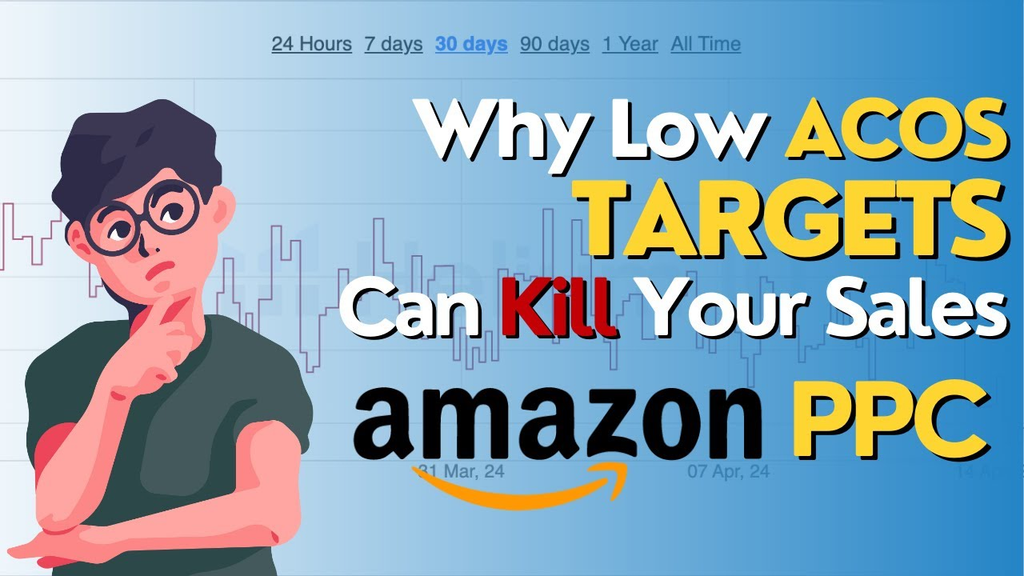
With a 20% Amazon ACoS target, the estimated maximum CPC falls to approximately $1.55. This lower CPC limit can help control advertising costs, but it may also reduce impressions, clicks, and sales if the keyword becomes less competitive.
The appropriate CPC limit depends on the campaign objective, product economics, and overall Amazon advertising goals. If a keyword needs additional visibility and a 35% ACoS target is acceptable for the business, a higher maximum CPC provides more room to compete. If controlling Amazon ACoS is the priority, a lower CPC limit may be more appropriate.
Make Amazon PPC Bidding More Data-Driven
A target ACoS can provide a useful framework for Amazon PPC bidding and bid adjustments. However, maximum CPC should not be evaluated in isolation. Monitor actual Amazon CPC, impressions, placement, clicks, sales, and Amazon ACoS after each change.
The goal is not simply to increase or decrease bids. A data-driven Amazon PPC strategy uses target ACoS and actual performance to find a CPC level that supports the campaign’s advertising and sales objectives.
Thin-Margin Products Need a Product-Level View
Products priced below approximately $10–$15 often have less room to absorb Amazon ad spend. Even a small increase in Amazon CPC can have a noticeable impact on profitability, especially when the product has a low selling price or limited margin.
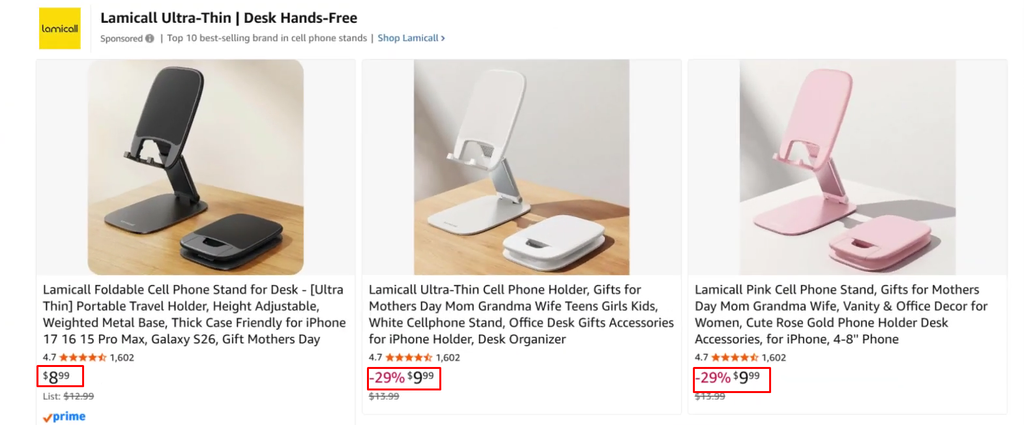
For these products, a strong Amazon PPC strategy should focus on the bigger picture rather than evaluating each campaign separately. Monitor TACoS on a daily or weekly basis and consider the combined advertising performance of all campaigns promoting the same product.
Review Average Amazon CPC Across All Campaigns
If one product is promoted through five different campaigns, don’t evaluate Amazon CPC from just one campaign. Instead, calculate the overall average CPC across all five campaigns and compare it with the product’s total sales, advertising spend, and TACoS.

This product-level analysis provides a clearer view of how much you’re actually spending to generate sales. It can also help guide Amazon PPC bidding decisions and determine whether CPC should be reduced, maintained, or adjusted based on the product’s overall performance.
Don’t Judge a Product by One Campaign
A single campaign may show a high Amazon ACoS or a lower Amazon CTR, but that does not necessarily mean the overall product performance is weak. Other campaigns may generate stronger conversions, sales, or more efficient traffic that balances the total result.
For thin-margin products, evaluate Amazon CPC, Amazon ACoS, Amazon CTR, total sales, and overall Amazon ad spend together. This product-level approach helps identify whether the advertising investment is sustainable or whether more attention should be placed on organic sales and other profitability factors.
The key is to manage Amazon PPC based on the total product economics, not just the performance of an individual campaign. Looking at the complete picture can lead to more informed bidding decisions and better control of advertising costs.
A Three-Step Process for Amazon CPC Decisions
Making the right Amazon PPC bidding decisions requires more than looking at CPC alone. A strong Amazon PPC bidding strategy considers multiple Amazon PPC metrics, including Amazon TACoS, Amazon ACoS, Amazon CPC, Amazon top of search, CTR, sales volume, conversion rate, and Amazon ad spend.
Use this three-step process to make more informed bidding and optimization decisions.
1. Start With Amazon TACoS
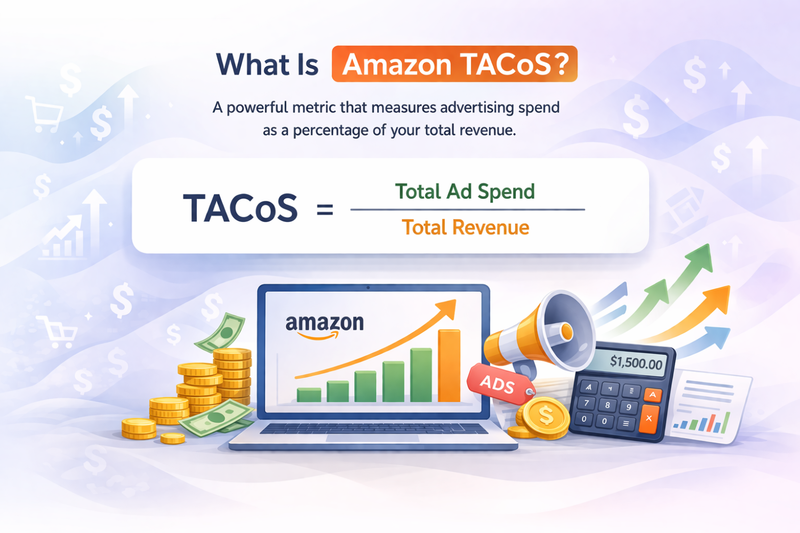
Begin by reviewing Amazon TACoS, which measures advertising spend against total sales. If TACoS is already performing efficiently and remains below 10%, there may be no need to make major CPC or bid changes.
Small adjustments can still make sense when a specific keyword is wasting Amazon ad spend or when a keyword needs additional support to improve visibility and ranking. However, broad bid changes may not be necessary when the overall product performance is already healthy.
2. Review Amazon Top of Search Placement
Before making changes to Amazon CPC, check the keyword’s Amazon top of search percentage. Placement can provide important context when evaluating CPC and campaign performance.
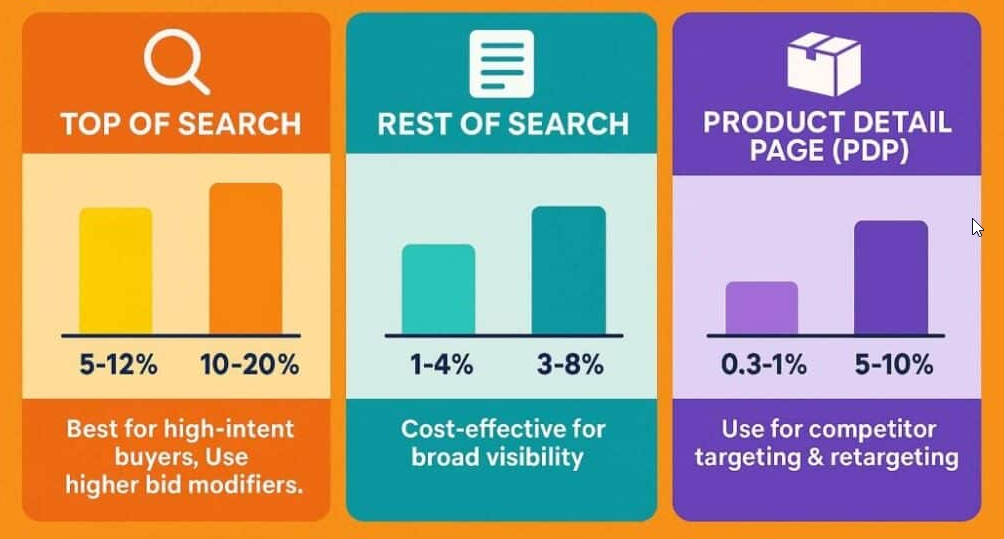
The campaign patterns shown in the example suggest that some keywords with stronger top-of-search performance can achieve relatively lower CPC, while keywords with less than 5% top-of-search placement may sometimes have higher CPC.
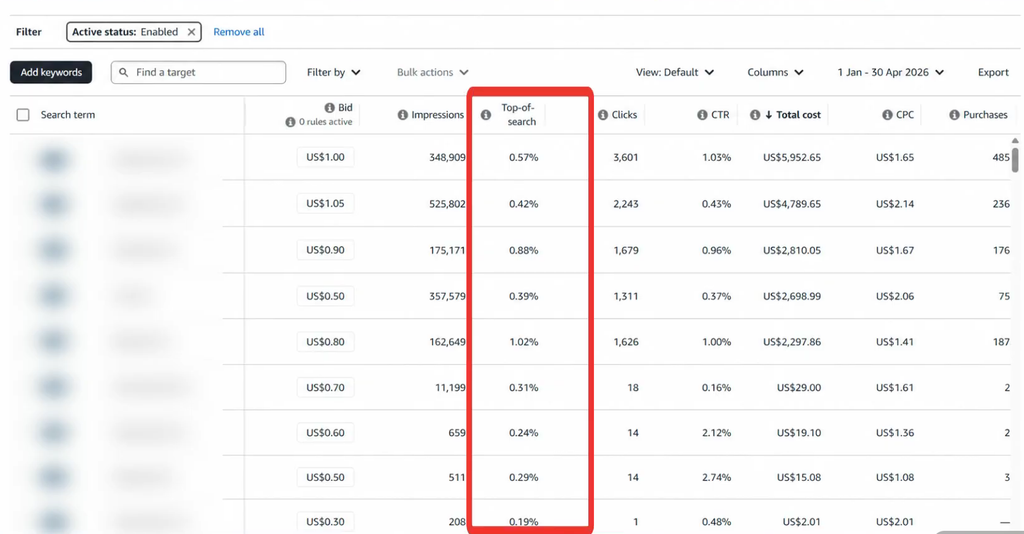
When top-of-search placement is low and CPC is high, review Amazon TACoS, available budget, Amazon ad spend, and the calculated maximum CPC. Then determine whether the keyword has enough performance and budget capacity to justify pushing for additional visibility.
3. Combine Amazon ACoS, Sales Volume, and Conversion Data
The final step is to evaluate Amazon ACoS, sales volume, CTR, and conversion performance together.
A keyword with low ACoS and low Amazon top-of-search placement may have room for a CPC increase if the budget allows it. Increasing the bid could potentially help the keyword gain more impressions and visibility while remaining within an acceptable profitability range.
On the other hand, if ACoS is high but the keyword continues to generate meaningful sales, immediately making a major CPC reduction could also reduce sales volume. In this situation, examine conversion factors first, including
When to Raise, Lower, or Hold CPC
The decision should come from the numbers, not a guess.
| Raise CPC | Lower CPC | Keep CPC steady |
| The target ACoS allows a higher maximum CPC. | TACOS is too high for the product. | TACOS is already optimized. |
| Sales are strong or the keyword matters for ranking. | The keyword spends without producing enough sales. | Sales are acceptable at the current CPC. |
| Top-of-search is low, and more visibility fits the budget. | Conversion rate is weak. | CPC remains within the calculated limit. |
| The product can support the added cost. | CPC is above the calculated maximum. | A lower CPC would likely reduce valuable impressions and sales. |
The goal isn’t always the lowest CPC. The right CPC is the amount that supports the purpose of the keyword or campaign while keeping the product profitable.
Amazon CPC Can Change Week to Week
Amazon CPC can change from week to week as competitor activity, search demand, and auction conditions change. A bid that performs well one week may produce a different CPC, placement, or ACoS later. This is why ongoing monitoring is essential to Amazon PPC optimization.
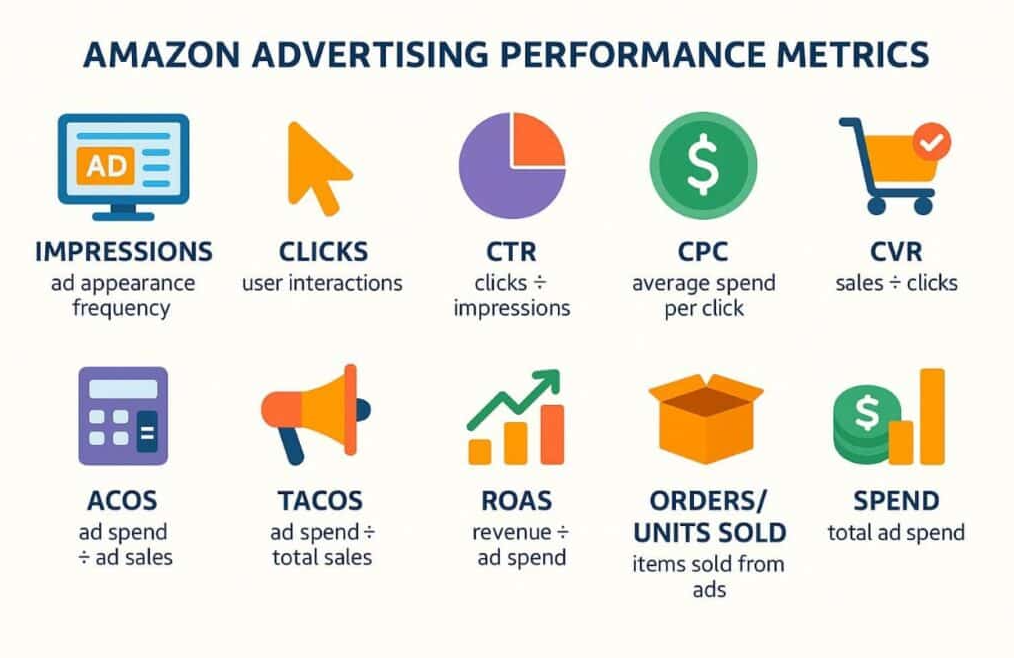
After making a meaningful Amazon PPC bidding adjustment, review the key Amazon PPC metrics, including:
- Amazon CPC
- Amazon top of search percentage
- Impressions
- Amazon CTR
- Conversion rate
- Sales volume
- Amazon ACoS
- Amazon TACoS
- Amazon ad spend
These metrics help you understand whether the new bid is generating the type of traffic, visibility, and sales you intended to achieve.
Make Amazon CPC Decisions With the Full Picture
Amazon ACoS remains an important performance metric, but it should not be used alone to make CPC or bidding decisions. A more effective Amazon PPC strategy starts with Amazon TACoS, reviews Amazon top-of-search placement, and then evaluates CPC alongside CTR, conversion rate, sales volume, and target ACoS.
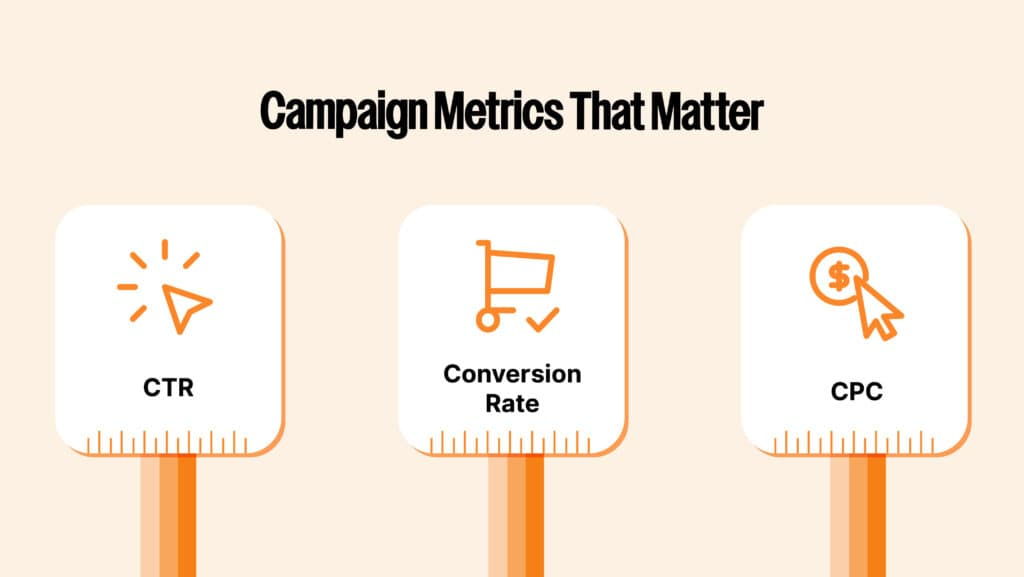
Calculated bid adjustments can provide a clear CPC limit to test, giving your Amazon bid optimization process a more structured approach. Once the change has been implemented, allow the performance data to show whether the new bid is producing the expected results.
If the data supports greater visibility and sales, CPC may have room to increase. If advertising efficiency declines or Amazon ad spend becomes less sustainable, CPC may need to come down. In some cases, the best decision may be to keep the bid unchanged.
The key is to avoid making Amazon advertising decisions based on a single metric. By evaluating Amazon CPC, Amazon ACoS, Amazon TACoS, Amazon CTR, placement, sales, and overall Amazon ad spend together, you can make more informed Amazon PPC bidding decisions and continuously improve your campaign performance.
More Amazon PPC resources from Ecomclips
For more Amazon advertising tutorials and updates, visit these Ecomclips resources:
- Watch new videos on the Ecomclips YouTube channel.
- Browse articles on the Ecomclips blog.
- Follow updates on the Ecomclips Facebook page.
- Connect with Ecomclips on LinkedIn.
Questions about an account review or a free audit can be sent to info@ecomclips.com.