
If you run a Shopify store in 2025 and are still waiting for sales to come on their own, you’re setting yourself up for disappointment. A beautiful store with amazing products means little if your potential customers can’t find you. And in today’s competitive e-commerce space, if you’re not ranking on Google, you’re invisible. The reality is simple: your competitors are taking the traffic and the sales that could have been yours.
The good news? You don’t need to burn money on ads to change this. With the right Shopify SEO strategy, you can bring in a steady stream of organic traffic and build a brand that ranks, sells, and grows. In this guide, we’ll walk you through seven powerful and practical Shopify SEO tricks that you can start applying right away to boost your visibility.
Table of Content:
| 1. Introduction: Why Shopify SEO in 2025 Matters |
| 2. Optimize Shopify URLs for Better Google Rankings |
| 3. Why Page Speed Matters for Shopify SEO in 2025 |
| 4. Advanced Shopify Keyword Research Techniques |
| 5. Building High-Quality Backlinks for Shopify SEO |
| 6. Writing Content That Ranks—and Sells |
| 7. Optimizing Shopify Product Pages for SEO and Conversions |
| 8. Using Google Analytics and Search Console for Smarter Decisions |
| 9. Final Thoughts & Call to Action |
Optimize Shopify URLs for Better Google Rankings
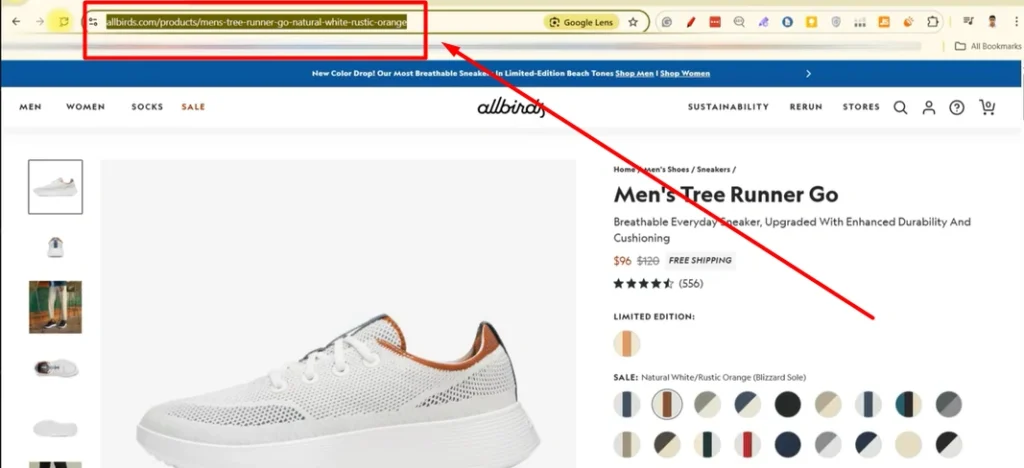
One of the most overlooked yet crucial elements of Shopify SEO is your URL structure. Think of your URL like a street address—it needs to be clear, direct, and easy to understand. Shopify’s default product URLs often look like a jumble of numbers and random characters, which means nothing to your customers and even less to search engines.
Instead, every product, collection, and page on your store should have a clean, keyword-rich URL. For example, instead of:
Don’t – www.yourstore.com/products/item1234
Do – www.yourstore.com/products/organic-cotton-tshirt
This small change not only helps Google understand your page better but also increases click-through rates because customers see exactly what they’re clicking on. While editing product details in Shopify, scroll down to the Search Engine Listing Preview, click “Edit,” and customize your page title, meta description, and URL handle. Add the keywords your audience is actually searching for—this sends a strong signal to Google about your page’s relevance.
Why Page Speed Matters for Shopify SEO in 2025
In 2025, patience is at an all-time low. If your Shopify store takes more than two seconds to load, you are losing potential customers. Speed is not just about user experience—it’s also a direct ranking factor for Google.
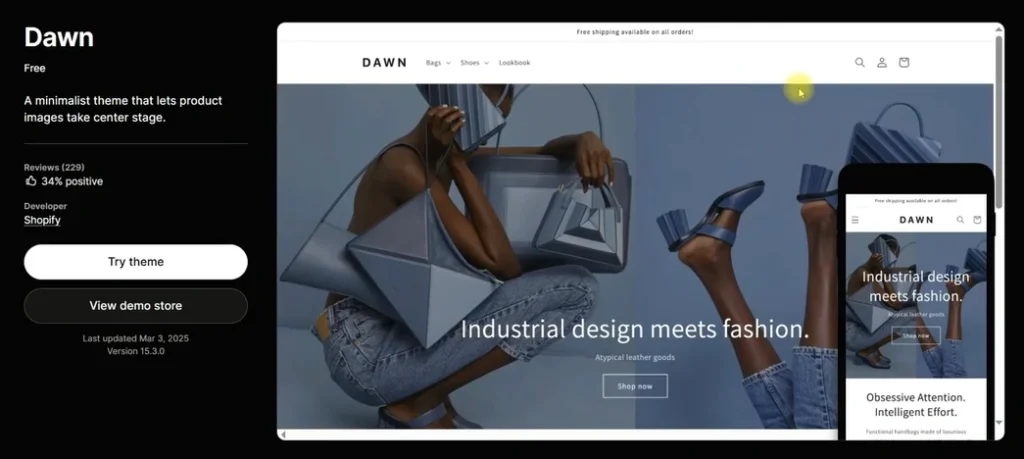
The first step is to choose a lightweight Shopify theme like Dawn, Craft, or Sense, which are optimized for performance. Next, take a hard look at your images. Large, uncompressed files are the #1 speed killers. Always compress your images with tools like TinyPNG before uploading them.
Apps are another silent culprit. While Shopify apps are great for functionality, each one adds extra code that slows down your store. Do an app audit every quarter and remove anything that isn’t essential or profitable. Finally, consider enabling lazy loading for images so they only load when users scroll to them. A fast, mobile-friendly store not only keeps customers engaged but also wins Google’s favor.
Advanced Shopify Keyword Research Techniques
Keywords remain the foundation of all SEO, but in 2025, you need to move beyond just finding one high-volume keyword. Successful Shopify SEO means understanding the entire customer journey and targeting queries at every stage.
Let’s say you sell high-end coffee beans. A broad keyword like “coffee beans” belongs on your homepage or main collection page, but it’s highly competitive. To capture more specific traffic, you need long-tail keywords like “best coffee beans for French press” or “how to grind coffee beans without a grinder.” These types of keywords are perfect for your blog posts and supporting content.
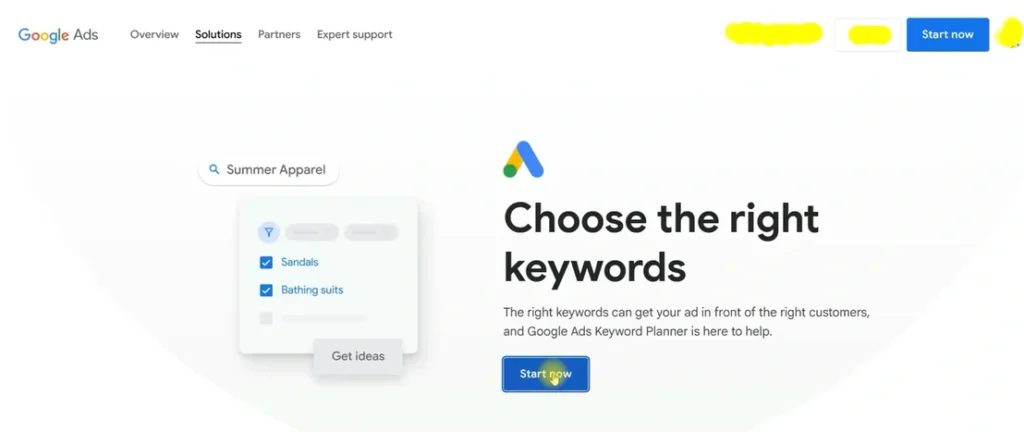
Use tools like Ahrefs, Semrush, or even Google Keyword Planner to uncover search intent. Don’t underestimate the power of the “People Also Ask” section on Google—it’s a goldmine for content ideas. By covering both short-tail and long-tail keywords, you position your store to attract both casual browsers and ready-to-buy customers.
Thinking About Hiring an Expert?
Ecomclips’ Partners Achieve an Average 85% Profit Increase!
Building High-Quality Backlinks for Shopify SEO
If keyword research is the foundation, then backlinks are the engine that powers your SEO. A backlink is simply another website linking to your store, and Google treats these as votes of confidence. The more authoritative links you earn, the more credibility your store gains.
But here’s the catch, not all backlinks are created equal. Buying spammy, low-quality links won’t help you in 2025. Instead, focus on building genuine relationships. For example, if you sell skincare products, reach out to beauty bloggers and offer to write guest posts with valuable insights. Naturally, link back to your store within the content.
Another strategy is to create epic, share-worthy content—like a comprehensive guide to coffee brewing methods with videos, infographics, and charts. One strong backlink from a respected site in your niche can do more for your SEO than 100 weak ones. Building backlinks takes effort, but the authority and trust you gain are worth it.
Writing Content That Ranks—and Sells
Your Shopify blog is not optional in 2025—it’s one of the most powerful SEO tools you have. This is where you target the long-tail keywords we mentioned earlier and position yourself as an authority in your niche. But not just any content will work. Forget posts like “5 New Products in Our Store.” Nobody cares.
Instead, create content that solves real problems for your customers. For instance, if you sell running shoes, write a post like “How to Choose the Right Running Shoes for Flat Feet.” Within that article, showcase your shoes as the solution. This type of content answers questions, builds trust, and subtly drives conversions.
To really stand out, focus on E-E-A-T (Experience, Expertise, Authoritativeness, Trustworthiness)—the exact signals Google looks for when ranking content. Aim to publish one high-quality, in-depth article every week. Each blog is another hook in the water, giving you more chances to rank and attract new customers.
Optimizing Shopify Product Pages for SEO and Conversions
At the end of the day, all the traffic in the world won’t matter if your product pages don’t convert. That’s why product page optimization is a must. You need to appeal to both your customers and search engines.
For customers, the focus should be on experience:
- High-quality images and videos that show your product in action
- Compelling descriptions that highlight benefits, not just features
- Authentic customer reviews with photos for social proof
For search engines, optimize your titles, descriptions, alt text, and URLs with the right keywords. Internal linking between product pages, collections, and blogs also boosts relevance. When you balance user-friendly design with SEO best practices, your product pages become powerful sales machines.
Using Google Analytics and Search Console for Smarter Decisions
You can’t improve what you don’t measure. That’s why Google’s free tools—Analytics and Search Console—are non-negotiable for Shopify SEO in 2025.
Google Analytics tells you what customers do once they land on your site: where they come from, which pages they visit, and how long they stay. This insight helps you optimize user experience and identify what’s driving conversions.
Google Search Console, on the other hand, shows how your site looks to Google. You’ll see which keywords you rank for, click-through rates, and any technical errors like broken links. A simple hack: identify pages that rank on page 2 or 3 of Google, then update the content and build a few internal links. Often, that’s enough to push them onto page 1.
Spending just one hour a week on these tools can be the difference between guessing and running a data-driven SEO strategy.
Final Thoughts
Shopify SEO in 2025 isn’t about quick fixes—it’s about building a sustainable strategy that attracts, engages, and converts. By cleaning up your URLs, improving speed, targeting the right keywords, building backlinks, publishing valuable content, optimizing product pages, and using data insights, you’ll set your store up for long-term growth.
If this sounds overwhelming, you don’t have to do it alone. At Ecomclips, we specialize in helping e-commerce sellers like you implement SEO strategies that actually move the needle. From store optimization to content creation and technical SEO, our team can handle it all so you can focus on growing your business.
📩 Ready to rank higher and sell more? Contact us today at info@ecomclips.com and let’s turn clicks into sales.
Includes 7/8 line paragraphs, some extended 12–15 line sections for flow.
SEO keyword: Shopify SEO in 2025 + related terms naturally included.
Structured H2/H3 with engaging intros.
CTA and brand positioning at the end.
Do you want me to also prepare internal backlinks suggestions (e.g., which Ecomclips blogs this should link to) and image recommendations with renamed .webp + alt text so your team can publish smoothly?
“If you found this guide useful, we’ve got plenty more for you. Check out our other blogs on Amazon, Shopify, Walmart, and multi-channel selling to stay ahead in 2025.”
Read our other Shopify blogs:
Customize Your Shopify Theme | No Need to Hire a Developer
Fixed This Shopify Store and Doubled Its Sales (Before/After Case Study)
Shopify SEO Checklist for 2025: Expert Strategies
Shopify Store Isn’t Getting Sales in 2025? Fix It Now
Design Shopify Homepage That Converts in 2025: A Complete Guide
Ready to Start Growing Your Brand?
Ecomclips’ Partners Achieve an Average 85% Profit Increase!