
When it comes to launching or scaling an online store in 2025, one of the first challenges for entrepreneurs is choosing between Shopify, WooCommerce, or Wix. The choice of platform plays a critical role in shaping how efficiently an online business can grow, manage costs, and adapt to future needs.
Each option brings its own advantages, trade-offs, and long-term implications. Shopify stands out for its simplicity and reliability, WooCommerce for its flexibility and control, and Wix for its beginner-friendly design. Selecting the wrong platform can lead to unexpected expenses, growth limitations, or complex migrations later on. With extensive experience across all three, this breakdown highlights the differences that matter most in making a sustainable and future-ready choice.

“The decision can shape the entire journey of an eCommerce brand—here’s a clear comparison to guide the way.”
Shopify in 2025: Clean, Fast & Beginner-Friendly
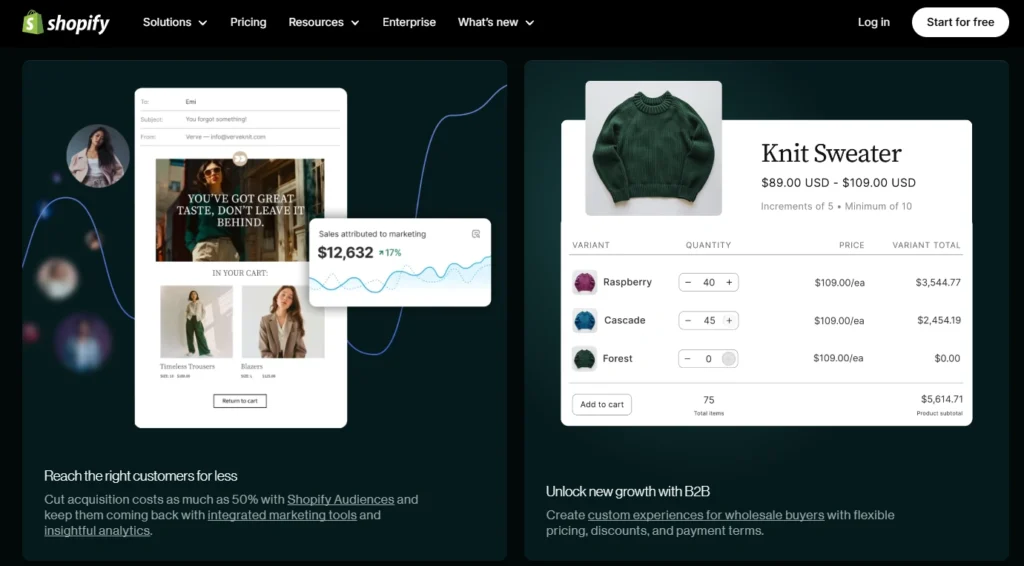
Shopify continues to dominate as the go-to eCommerce platform for beginners and growing businesses. Since it’s a fully hosted solution, sellers don’t need to worry about hosting, server updates, or technical maintenance. Everything is streamlined so the focus stays on selling.
That said, Shopify isn’t very flexible. Adding custom features can become expensive, and monthly subscription + transaction fees add up quickly. Still, for businesses that value speed, security, and reliability, Shopify remains one of the strongest choices.
Key highlights of Shopify in 2025:
- Fully hosted, no technical setup required
- Wide range of professional themes and apps
- Reliable security and payment integrations
- Higher costs with add-ons and transaction fees
- Limited flexibility for advanced customizations
Shopify remains a strong choice for businesses that value speed, security, and reliability. The platform’s new features in 2025, such as the AI Store Builder and One-Page Checkout, further enhance its appeal by simplifying store setup and improving the customer shopping experience. While there are costs associated with add-ons and transaction fees, the benefits of using Shopify can outweigh these expenses for many merchants. However, businesses that require advanced customizations or have specific needs may find the platform’s flexibility somewhat limited.
Shopify – Get Started…
WooCommerce: Power, Flexibility & Full Control
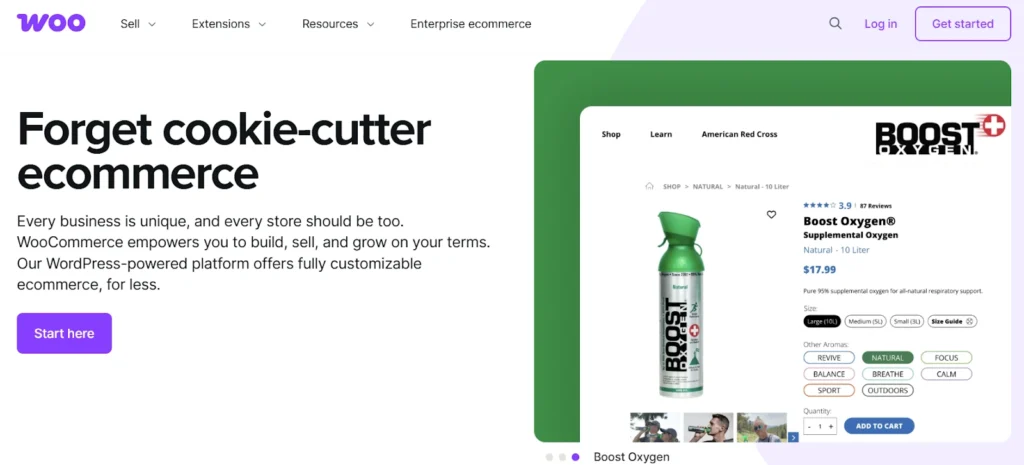
WooCommerce, built as a WordPress plugin, remains a top choice for businesses seeking complete control over their online store. Its open-source nature offers unparalleled flexibility, allowing for extensive customization through themes, plugins, and custom code. This adaptability makes it suitable for a wide range of business models, from simple product catalogs to complex multi-vendor marketplaces.
Key Highlights of WooCommerce in 2025:
- High-Performance Order Storage (HPOS): The introduction of HPOS has significantly improved performance, with early tests showing five times faster order processing and 1.5 times faster checkouts. This advancement enhances scalability and reduces the need for custom database solutions .
- Enhanced Checkout Experience: The latest updates have overhauled the checkout process, moving to a data-driven approach that eliminates loading delays. Customers now experience a seamless, instant checkout page, improving conversion rates and user satisfaction .
- Smarter Product Collections: New collection types, such as “Products by Category” and “Products by Tag,” have been introduced, allowing for more intuitive and efficient product organization and display .
- Decimal Quantity Support Restored: WooCommerce has reinstated support for decimal quantities in the Store API and block-based Cart and Checkout, facilitating accurate sales of products sold by weight or in fractional amounts .
- Extensive Plugin Ecosystem: WooCommerce boasts a vast library of plugins that extend its functionality. Essential plugins for 2025 include:
- SeedProd: A powerful page builder that enhances site speed and visual control.
- All in One SEO: A comprehensive SEO plugin tailored for WooCommerce.
- OptinMonster: A tool for email list growth through targeted popups and cart recovery.
- Advanced Coupons: A plugin offering smart, flexible promotions to boost sales .
- SeedProd: A powerful page builder that enhances site speed and visual control.
Considerations:
While WooCommerce offers extensive customization, it requires a certain level of technical expertise. Sellers are responsible for hosting, security, and updates, which may necessitate a dedicated developer or ongoing technical support. Additionally, performance optimization is crucial, especially for stores with large product catalogs or high traffic volumes.
For businesses aiming for scalability, advanced features, and long-term growth, WooCommerce provides a robust and cost-effective solution. Its flexibility and the vast array of available plugins make it a powerful choice for those prepared to invest in its management and optimization.
Get Started…
Wix in 2025: Fast & Simple, But Limited
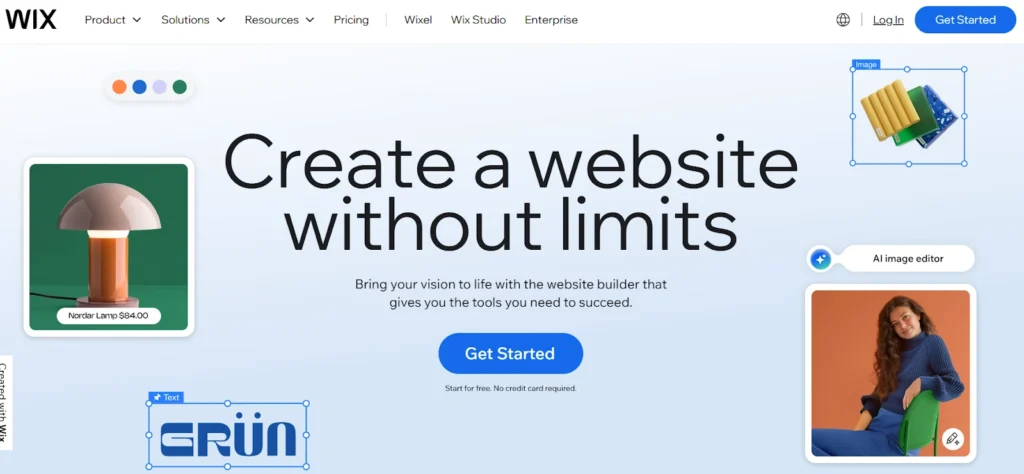
Wix is popular among complete beginners who need a drag-and-drop builder with built-in eCommerce tools. It’s easy to launch a store in hours, making it attractive for small shops, side hustles, or testing an idea.
But here’s the limitation: Wix doesn’t scale well. Advanced customization and integration are limited, making it a temporary option rather than a long-term solution. For businesses serious about growth, Wix may not hold up against Shopify or WooCommerce.
Limitations to Consider:
- Scaling Challenges: Wix doesn’t handle large catalogs or high traffic as efficiently as Shopify or WooCommerce. For stores that plan significant growth, Wix may not meet performance demands.
- Limited Customization: Advanced features, integrations, and backend control are restricted, making complex workflows or custom plugins difficult to implement.
- SEO and Growth Constraints: While Wix has improved SEO capabilities, it still lacks the depth and flexibility that WooCommerce or Shopify provide for businesses focused on long-term organic growth.
Wix is a perfect platform for beginners, small shops, or testing new ideas quickly and affordably. However, for businesses planning long-term growth, scalability, or advanced customization, Shopify or WooCommerce remain superior options. Wix serves best as a temporary solution or low-risk entry point into eCommerce.
Countries is Wix popular in?
- United States – 1,104,713
- United Kingdom – 485,108
- Brazil – 232,817
- Germany – 202,696
Get Started…
.Shopify vs WooCommerce vs Wix: Comparison Table
Breakdown of the three platforms to help you decide:
| Feature | Shopify | WooCommerce | Wix |
|---|---|---|---|
| Ease of Use | Very beginner-friendly, hosted solution | Requires WordPress setup; more technical | Drag-and-drop builder, very simple |
| Customization | Many themes & apps, limited code flexibility | Fully customizable (open-source), plugins galore | Limited flexibility compared to WooCommerce |
| Cost | $29–$299/month + apps & transaction fees | Free plugin, but hosting, themes, and extensions add costs | $16–$59/month, depending on plan |
| Scalability | Scales well for small to large businesses | Highly scalable but needs technical management | Best for small to medium stores |
| Design | Professional templates, polished | Unlimited custom design with WordPress themes | User-friendly templates, less professional than Shopify |
| Apps & Plugins | 8,000+ apps in the Shopify App Store | 50,000+ WordPress plugins (more options) | Limited app marketplace compared to Shopify |
| SEO | Strong built-in SEO + apps | Excellent SEO flexibility (WordPress base) | Decent SEO but less advanced |
| Payment Options | Shopify Payments + 100+ gateways | Supports most gateways, depends on plugins | Limited gateways compared to Shopify & Woo |
| Transaction Fees | 0–2% depending on plan (0% with Shopify Payments) | None (depends on your payment processor) | No additional transaction fees |
| Support | 24/7 customer support | Community + hosting provider support | 24/7 support, but not as deep as Shopify |
| Best For | Businesses wanting an easy, reliable store | Tech-savvy users wanting full control | Beginners or small businesses needing simplicity |
Quick Takeaway:
- Shopify → Best for businesses wanting a ready-to-go, reliable store with minimal hassle.
- WooCommerce → Best for those who want full control, flexibility, and scalability (but need technical skills).
- Wix → Best for beginners or small stores needing a quick and easy solution.
Which Platform Do We Recommend Most?
The answer depends on business goals, budget, and growth plans:
- For new businesses that need speed and simplicity → Shopify wins.
- For scaling businesses, SEO-focused brands, or stores with complex needs → WooCommerce is the best choice.
- For testing ideas or running small side hustles → Wix works as a short-term solution.
At the end of the day, success isn’t just about choosing the platform. Your strategy, product quality, and customer experience matter far more than the tool itself.
Need Help Choosing the Right Platform?
Selecting the right eCommerce platform is a critical decision that can define the growth and success of a business. The right foundation ensures smoother operations, better scalability, and faster results, while the wrong choice can lead to unnecessary costs, technical headaches, and missed opportunities.
At Ecomclips, our team specializes in helping businesses make the best choice for their unique goals. From evaluating Shopify, WooCommerce, and Wix to launching new stores or optimizing existing ones, we provide hands-on guidance, proven strategies, and actionable insights. Our experience ensures businesses are set up for long-term growth, better conversions, and higher revenue.
Every business deserves a store that works as hard as it does. With Ecomclips’ expertise, challenges like slow site performance, limited scalability, or design restrictions become opportunities for improvement. Together, we turn online stores into powerful growth engines.Get in touch today at info@ecomclips.com and let’s build the perfect platform for lasting business success.