
Not every seller can succeed on The Range marketplace, but those who understand the platform are quietly building profitable businesses while others overlook this growing opportunity.
The Range marketplace generated over $81 million in revenue this December alone, pulling in more than 13 million visits monthly. That’s a 5-10% revenue jump from November, signaling that January 2026 is setting up for even bigger profits. Where there’s traffic, there’s money – simple math.
Yet most sellers still have no idea what’s happening on this platform or how to tap into its potential. If you’re wondering whether The Range marketplace is right for your business and how to actually start selling there, this comprehensive guide will walk you through everything from application to your first sale.
What Makes The Range Marketplace Different from Other Platforms
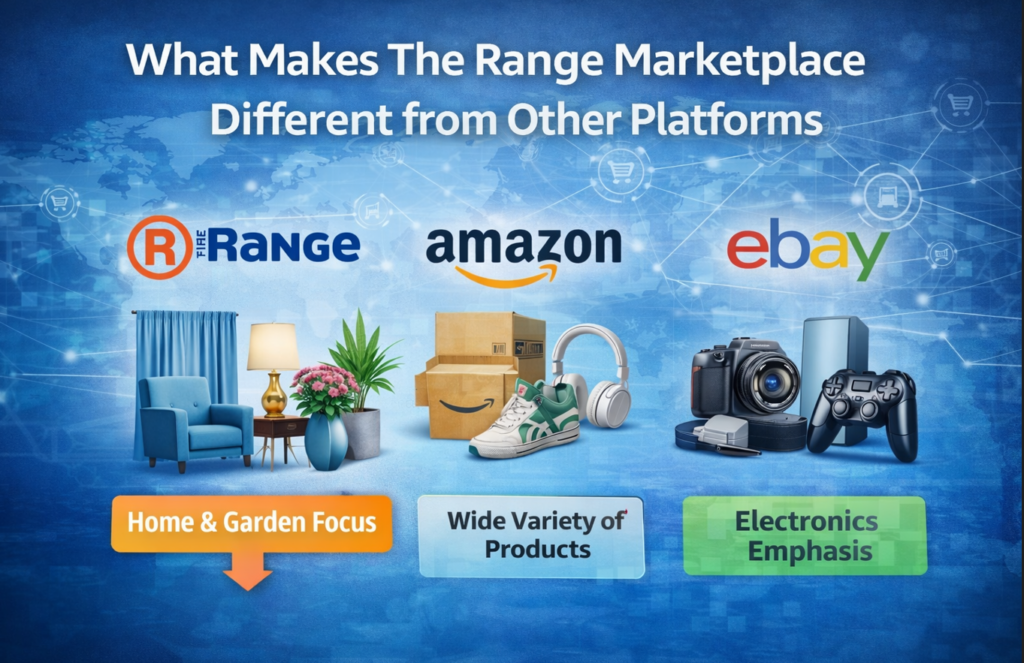
The Range isn’t Amazon or eBay. It’s a niche marketplace with a specific focus, and understanding this distinction is critical before you invest time and resources.
The Range specializes in home goods, garden essentials, DIY products, gifts, and lifestyle items. This focused approach means less competition in certain categories but also means your product needs to fit their buyer demographic. The typical Range customer is looking for value-oriented home improvement, seasonal décor, furniture, and practical household items.
Why Sellers Are Turning to The Range Marketplace
The platform’s steady growth trajectory speaks volumes. With 13 million monthly visits and climbing, The Range has cultivated a loyal customer base that trusts the brand for specific product categories. Unlike broader marketplaces where you’re competing with millions of sellers, The Range’s curated approach means your products get more visibility to targeted buyers.
The revenue numbers tell the story: consistent month-over-month growth, strong seasonal performance, and an upward trajectory heading into 2026. For sellers in the right product categories, this represents an untapped opportunity while competition remains relatively low.
How to Become a Seller on The Range Marketplace
Getting approved as a Range seller isn’t automatic—there are specific requirements you must meet before your application even gets reviewed.
The Range Marketplace Seller Requirements
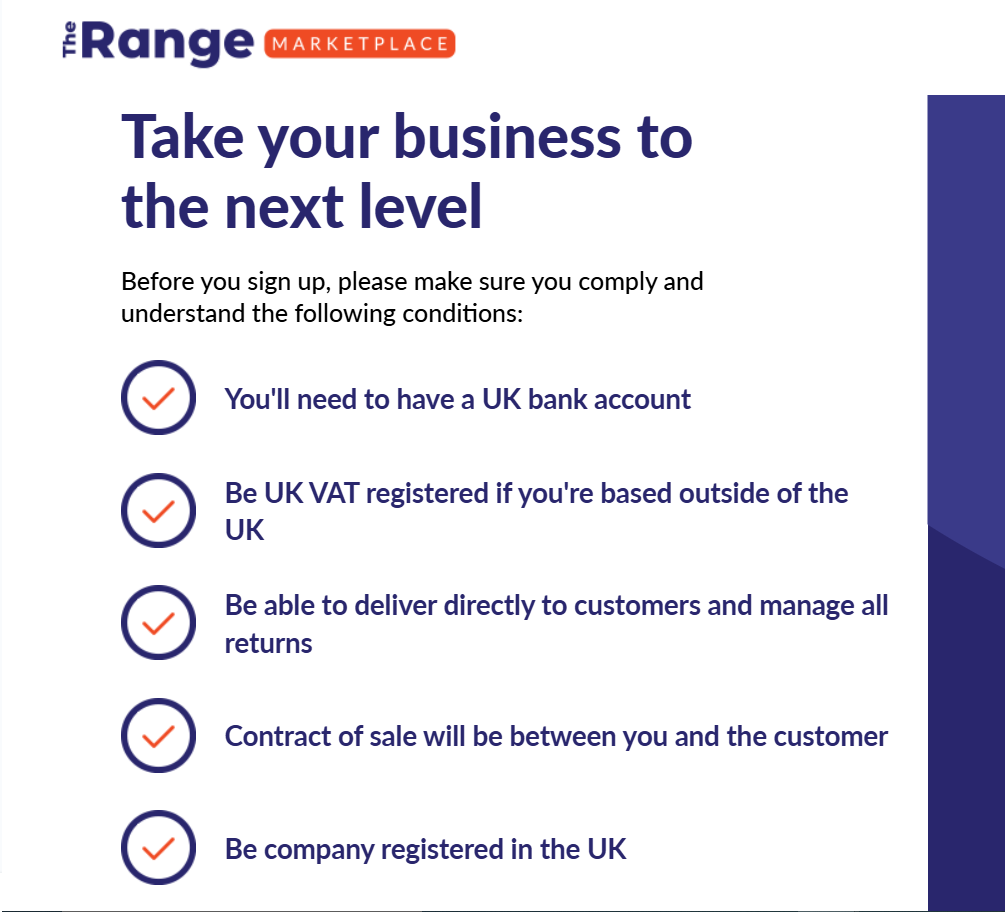
Before filling out any forms, make sure you meet these non-negotiable criteria:
UK Bank Account: You’ll need a business bank account registered in the United Kingdom. This is where The Range will send your payments.
VAT Registration: If your business is based outside the UK, you must be UK VAT registered. This ensures compliance with UK tax regulations for cross-border commerce.
Direct Fulfillment Capability: You’re responsible for shipping products directly to customers and handling all returns. The Range doesn’t operate a fulfillment center for third-party sellers—you manage the entire logistics chain.
Business Registration: Your company must be officially registered in the United Kingdom. Sole traders, limited companies, and partnerships are all acceptable, but proper registration is mandatory.
Contract Responsibility: The contract of sale exists between you and the customer, not between The Range and the customer. This means you’re handling customer service, returns, and any disputes that arise.
Thinking About Hiring an Expert?
Ecomclips’ Partners Achieve an Average 85% Profit Increase!
Step-by-Step Application Process for The Range
Once you’ve confirmed you meet the requirements, here’s how to apply:
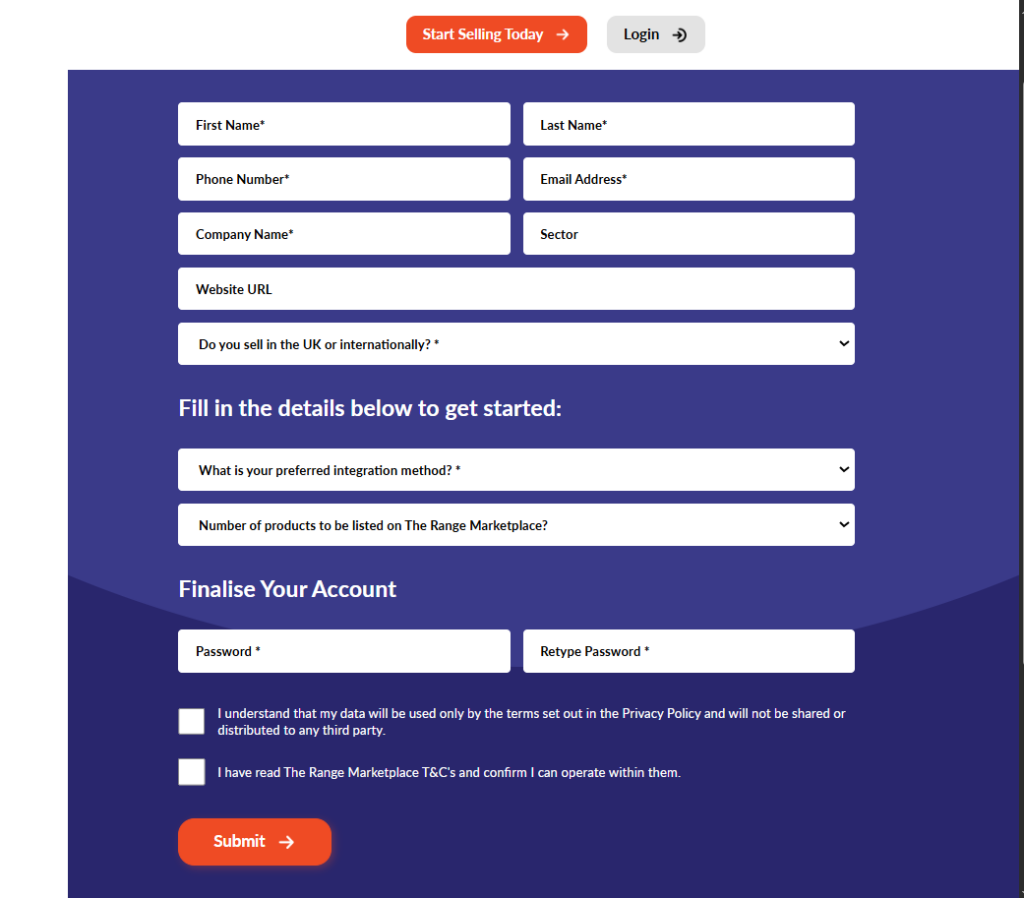
Visit the official Range website and scroll to the bottom of the homepage. Look for the “Sell with us” link in the footer section. Click it to access the seller application form.
The application form requires several pieces of information:
Your full name, phone number, and business email address form the basic contact details. Next, provide your official company name exactly as it appears on your business registration documents. Add your company website URL—this helps The Range verify your business legitimacy and assess your existing online presence.
You’ll encounter several questions about your business model, product categories, and fulfillment capabilities. Answer these thoroughly and honestly. Incomplete applications get delayed or rejected.
Create a secure password for your seller account and check the terms and conditions box after reading through The Range’s seller agreement.
Submit the application and wait for review. The Range team typically takes several days to evaluate applications. Make sure every piece of information is accurate and complete to avoid unnecessary delays that could cost you valuable selling time.
Finding Profitable Products to Sell on The Range Marketplace
Getting approved as a seller is just the beginning. Your success hinges entirely on product selection—choose the right products, and everything else becomes easier.
The Three-Question Framework for Range Product Research
Before committing to any product, get clear answers to these three critical questions:
Does this product have profitability? Calculate your costs including product cost, shipping, Range fees, and returns. Then compare against realistic selling prices on the platform. If your margins are too thin, you’re building a business on quicksand.
Does it have good demand? Traffic without conversion is worthless. Look for products that Range customers are actively searching for and buying, not products you hope they’ll discover.
Is it less competitive? Even great products become unprofitable when 50 sellers are racing to the bottom on price. Find product opportunities where demand exists but competition remains manageable.
How to Research Products for The Range Without Dedicated Tools
Unfortunately, The Range doesn’t have marketplace-specific research tools like Jungle Scout for Amazon. But there’s a proven workaround that smart sellers use.
Start by browsing The Range’s bestseller sections within your category. Note which products consistently appear in top positions—these indicate sustained demand. Check customer reviews to understand what buyers love and what complaints frequently appear. These insights help you source better products or differentiate your offerings.
Visit The Range’s physical stores if possible. Observe which products get prominent shelf space and which categories receive the most foot traffic. Physical retail placement often signals online performance.
Use Google Trends to validate seasonal demand patterns for your product ideas. The Range sees significant seasonal fluctuations, so understanding when your products peak helps with inventory planning.
Check competitor websites selling similar products. Are they showing “low stock” or “out of stock” messages? This suggests healthy demand that you could capture.
Cross-reference with general ecommerce data from platforms like Amazon UK or eBay UK. If a product performs well there and fits The Range’s categories, it’s worth testing on this marketplace too.
Setting Up Your Range Marketplace Seller Account
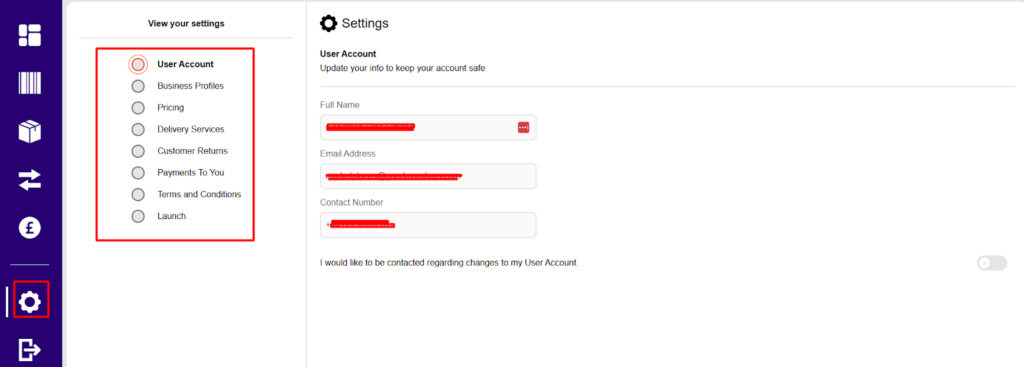
Once approved, you’ll access your seller dashboard where proper account configuration determines your operational efficiency.
Configuring Your Business Profile on The Range
Navigate to the Settings section of your seller dashboard. This is where you’ll establish the foundation for all your marketplace activities.
User Account Details: Update your name, email address, and contact number. These should be actively monitored since The Range uses them for critical communications about your account.
Business Profile: Enter your complete business name, registered address, and VAT number. These details appear on customer invoices and must match your official registration documents exactly.
Choosing Your Pricing Model for Maximum Profit
The Range offers two distinct pricing structures, and selecting the right one impacts your profit margins significantly:
Fee-Based Selling: You set the retail price that customers see, and The Range charges you a commission percentage on each sale. This model gives you direct control over pricing but requires you to factor commission into your profit calculations.
Cost-Based Pricing: You provide The Range with your wholesale cost, and they determine the retail price customers pay. This model simplifies pricing management but surrenders control over your product’s market positioning.
Most sellers prefer fee-based pricing because it allows strategic pricing adjustments based on competition and demand fluctuations.
Essential Account Settings Before You Start Selling
Delivery Services: Configure your shipping options, carrier preferences, and delivery timeframes. Be realistic—overpromising on delivery speed leads to negative reviews and account health issues.
Customer Returns: Establish your returns process and policies. The Range requires sellers to handle returns directly, so clarity here prevents disputes later.
Payment Setup: Add your UK bank account details where The Range will deposit your earnings. Double-check account numbers and sort codes—errors here delay your cash flow.
Account Mode: Your seller account operates in two states: Setup Mode and Live Mode. In Setup Mode, you can configure everything but cannot actually sell products. Only when you switch to Live Mode do your listings become active and purchasable.
How to List Products on The Range Marketplace
Product listing quality directly correlates with conversion rates. A poorly optimized listing wastes your traffic, while a well-crafted listing turns browsers into buyers.
Manual Product Listing Process on The Range
From your dashboard, click “Products” to begin the listing process. You’ll immediately need to select the appropriate category for your item—choose carefully, as miscategorized products perform poorly in search and may face removal.
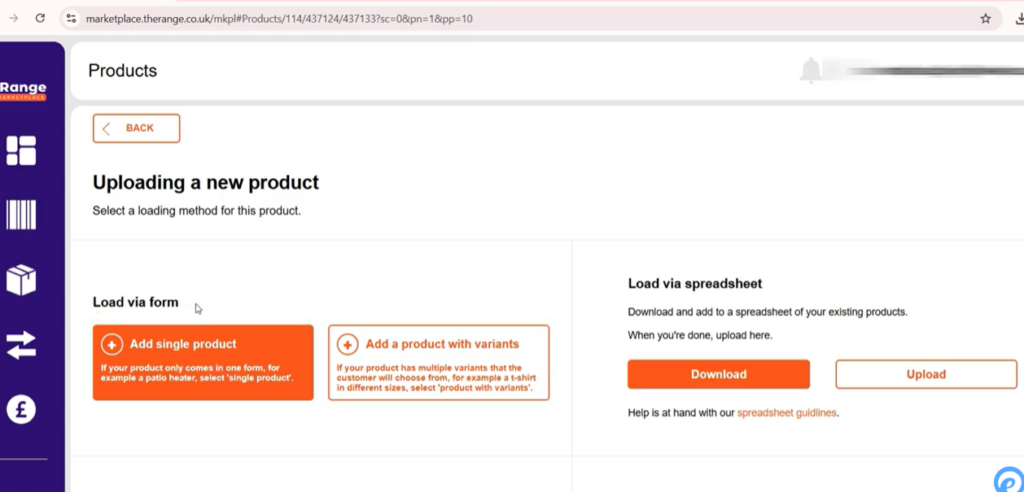
The Range offers three listing methods:
Add a Single Product: For one-off items or when you’re just starting with a small catalog.
Add a Product with Variants: For items that come in multiple colors, sizes, or configurations.
Feed File Upload: For bulk listing of many products simultaneously (we’ll cover this option separately).
Optimizing Product Details for Better Visibility
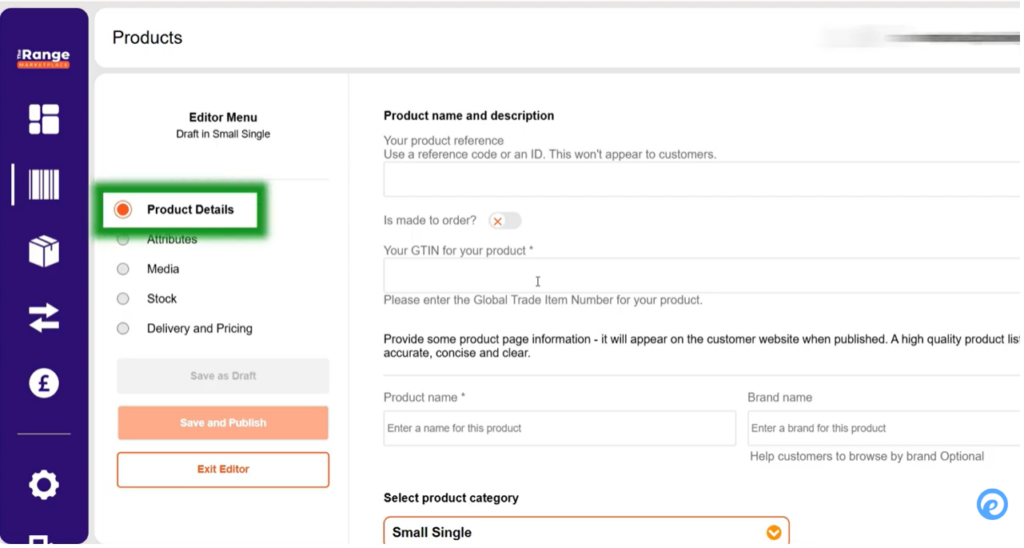
SKU and GTIN: Your Stock Keeping Unit should follow a logical system that helps you manage inventory. The Global Trade Item Number (GTIN) helps with product identification and search visibility—use accurate GTINs from your manufacturer.
Product Name: Front-load important keywords while keeping the title readable. “Luxury Egyptian Cotton Bed Sheets King Size – 400 Thread Count” works better than “Bed Sheets Cotton King.”
Brand Name: Always include the official brand name. If you’re selling your own brand, ensure it’s trademarked to avoid potential disputes.
Product Category: Double-check your category selection. The Range’s algorithm shows products to shoppers browsing specific categories, so accuracy matters tremendously.
Crafting Product Features That Drive Conversions
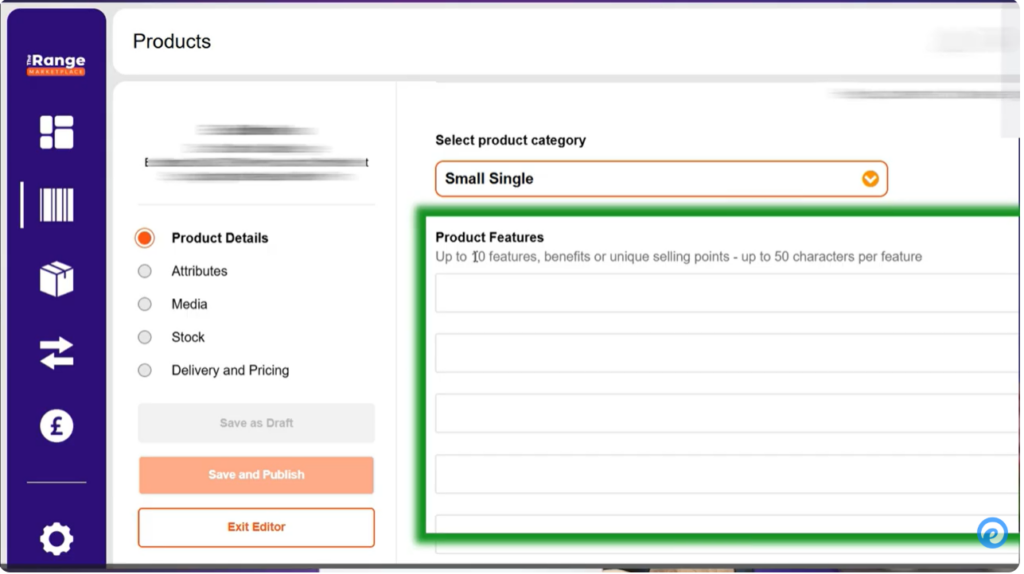
The Range allows up to 10 product features with a 50-character maximum for each. This isn’t space for fluff—every feature should communicate value.
Lead with unique selling points first. Don’t waste your first feature on something generic like “High quality materials.” Instead, open with your strongest differentiator: “Antimicrobial treatment prevents odor and bacteria” or “Lifetime warranty with free replacements.”
Use the remaining features to address common customer questions and objections. If buyers typically wonder about dimensions, compatibility, or care instructions, answer those concerns directly in your features.
Writing Product Descriptions That Actually Sell
Your product description should follow a proven structure:
Start with the main benefit—the transformation or problem solved, not the product itself. “Sleep cooler and wake refreshed with temperature-regulating fabric technology” beats “This pillow is made with cooling gel.”
Explain why it matters. Connect features to real-world benefits that resonate with your target customer.
Expand on features naturally within the narrative flow. Rather than listing specifications robotically, weave them into a story about how the product improves the customer’s life.
Use simple, clear language your audience understands. Avoid industry jargon unless you’re selling to professionals who expect technical terminology.
Keep it scannable with short paragraphs. Online shoppers skim—make your key points easy to spot.
Product Attributes and Technical Specifications
Fill in all relevant attributes including color, size, weight, dimensions, manufacturer details, and materials. Complete data improves search visibility and reduces customer service inquiries about basic product information.
Product Images That Stop Scrollers
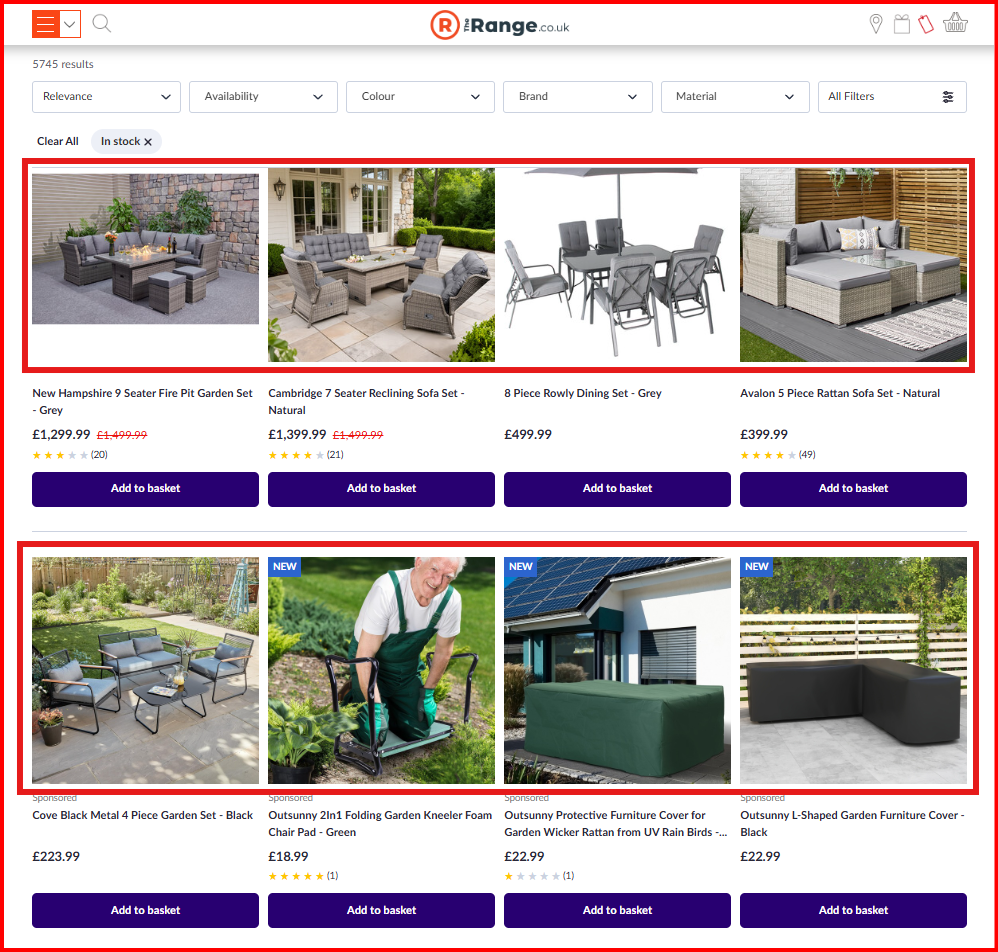
Upload high-quality product images that showcase your item from multiple angles. Your main image should be eye-catching and crystal clear – it’s often the deciding factor between a click and a scroll-past.
Include lifestyle images showing the product in use, scale images demonstrating size, and detail shots highlighting quality features. The Range allows multiple images, so use them all.
Stock and Pricing Settings
Enter your current stock quantity accurately. Overselling creates fulfillment nightmares and account health problems.
Set your product price based on your chosen pricing model. Remember to account for all costs including The Range’s commission if you’re using fee-based pricing.
Configure dispatch times realistically. If you need 2-3 business days to process orders, set that expectation upfront rather than scrambling to meet unrealistic promises.
Once everything is complete, click “Save and Publish” to make your listing live.
Common Challenges When Selling on The Range Marketplace
Even with perfect setup and optimized listings, selling on The Range isn’t plug-and-play. You’ll encounter challenges that require ongoing attention and expertise.
The Time Investment Nobody Talks About
Choosing the right product features, writing benefit-driven descriptions, optimizing images, managing inventory, handling customer service, processing returns—it all takes time. And time is exactly what most business owners don’t have enough of.
The sellers who succeed on The Range either dedicate significant hours to mastering these details or they find partners who handle the heavy lifting while they focus on strategic growth.
Maintaining Listing Quality at Scale
One product listing is manageable. Ten becomes challenging. Fifty or more requires systems, processes, and often a team. As your catalog grows, maintaining consistent quality across all listings becomes exponentially harder.
Staying Compliant with The Range’s Evolving Policies
Marketplace policies change. What’s acceptable today might violate guidelines tomorrow. Staying informed and adapting quickly separates successful sellers from those who wake up to account suspensions.
FAQ
Is The Range marketplace only for UK sellers?
No. Non-UK sellers can join if they have a UK business setup, UK bank account, and VAT registration, and can deliver orders to UK customers.
What commission does The Range charge sellers?
Commission varies by product category and pricing model. Exact rates aren’t public and are shared after your application is approved.
Can I use FBA or other fulfillment services for The Range?
No. Sellers must fulfill orders themselves or via their own 3PL—The Range doesn’t support FBA-style fulfillment.
How long does product approval take on The Range?
Usually 1–3 business days. Delays happen if product data is incomplete or the item needs extra compliance checks.
What product categories perform best on The Range?
Home décor, garden, DIY, tools, seasonal items, and everyday household products perform strongest due to value-focused shoppers.
Do I need professional product photography for The Range?
Not required, but highly recommended. High-quality images significantly improve clicks, trust, and conversion rates.
Conclusion
The Range marketplace represents a genuine opportunity for sellers in home, garden, DIY, and lifestyle categories. With over $81 million in monthly revenue and 13 million visitors, the platform provides targeted access to buyers actively shopping for products in your niche.
Success requires meeting their specific UK business requirements, conducting thorough product research without dedicated tools, optimizing listings for maximum conversion, and maintaining operational excellence in fulfillment and customer service.
The application process is straightforward if you meet the criteria. Account setup demands attention to detail in pricing models, delivery configurations, and payment settings. Product listing quality—from category selection to image optimization—directly determines your sales performance.
But here’s the reality: doing all of this well while running your business is challenging. The sellers winning on The Range either invest significant time mastering every detail or partner with specialists who handle the complexity while they focus on growth.
How Ecomclips Can Help on the Issue
When you’re staring at that yellow banner or worse, a suspension notice, every decision matters. One wrong move in your appeal can be the difference between reinstatement and permanent deactivation. This is where Ecomclips steps in as your strategic partner.
We’ve successfully resolved hundreds of account health issues for Amazon sellers, from straightforward metric problems to complex intellectual property disputes. Our team understands Amazon’s internal review processes because we’ve navigated them countless times. We know what appeals officers look for, which documentation carries weight, and how to craft Plans of Action that get accounts reinstated.
But our relationship with sellers doesn’t stop at crisis management. We work proactively to prevent issues before they escalate, implementing monitoring systems and compliance protocols that keep your account in good standing month after month.
Whether you’re facing your first policy violation or dealing with a suspended account, Ecomclips brings the expertise to guide you through Amazon’s complex requirements and get your business back on track.
Ecomclips: Your Complete eCommerce Solution Under One Umbrella
At Ecomclips, we bring every eCommerce service you need under one roof — strategy, operations, design, marketing, and growth, all seamlessly connected to help your brand thrive across every marketplace.
Since 2012, we’ve been helping businesses of all sizes launch, scale, and dominate online. From Amazon, Walmart, eBay, and Etsy to Shopify and WooCommerce, our team of marketplace experts, designers, developers, and marketers works together to deliver measurable results.
Our services span the full eCommerce lifecycle:
Account Setup & Product Listing Management: We handle registrations, compliance, and product data optimization across all marketplaces.
Amazon Optimization Service: From keyword-rich titles and A+ content to PPC campaigns and storefront design, we craft listings that convert.
Creative Design & Content Production: A+ visuals, infographics, brand stores, and product videos built to boost engagement.
Advertising & PPC Management: Smart, data-driven ad strategies for Amazon, Walmart, and Google that maximize ROI.
Web Development & Store Design: Shopify, WooCommerce, and Magento websites built for performance and conversion.
Data Management & Automation: Streamlined product feeds, catalog syncing, and inventory control for effortless scalability.
Customer Service & Order Fulfillment: End-to-end support that enhances customer satisfaction and builds long-term loyalty.
Analytics & Growth Strategy: Real-time insights and ongoing optimization to ensure consistent, profitable growth.
Whether you’re launching a new store or managing multiple global marketplaces, Ecomclips acts as your single strategic partner, simplifying complexity and driving sustainable revenue growth.
Ready to Start Growing Your Brand?
Ecomclips’ Partners Achieve an Average 85% Profit Increase!