
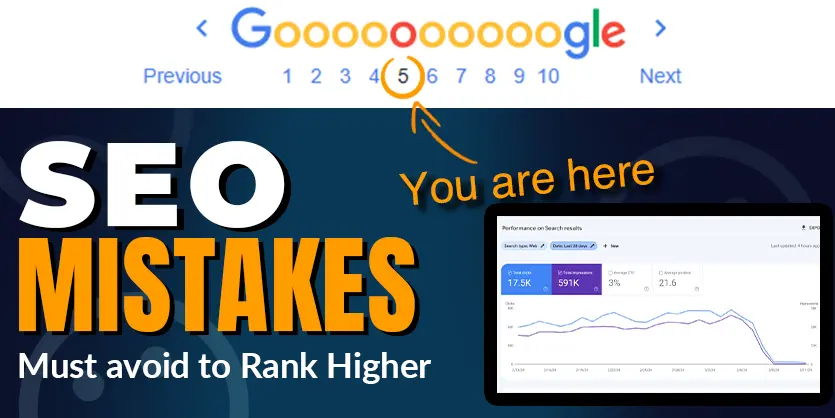
Are you struggling to rank on Google—even though you’re following all the “right” SEO practices?
You’re not alone. In 2025, many websites will continue to face traffic and ranking issues, not because of a lack of effort, but because of outdated tactics or overlooked fundamentals. This comprehensive Google SEO guide reveals the most common Google SEO mistakes marketers, both beginners and seasoned professionals, still make. More importantly, you’ll learn how to fix them and set your website up for long-term search engine success.
Whether you’re a blogger, an eCommerce brand, a startup, or a local business, this article is your step-by-step path to avoiding SEO failure and building smarter, results-driven strategies.
Why You Must Read This Full Blog (And How Ecomclips Can Help)
We’re diving into the top 15 SEO mistakes most websites make—and offering practical, fast solutions for each. By reading this entire guide, you’ll not only identify what’s wrong with your current strategy but also learn proven fixes to boost your rankings and traffic in 2025.
At Ecomclips, we don’t just identify issues—we solve them. From technical audits to smart keyword strategies and quality backlink building, we’ve helped hundreds of businesses recover from SEO failures and build strong search presence. Let us help you turn these mistakes into measurable wins.
Mistake 1: Poor Understanding of Your Target Audience
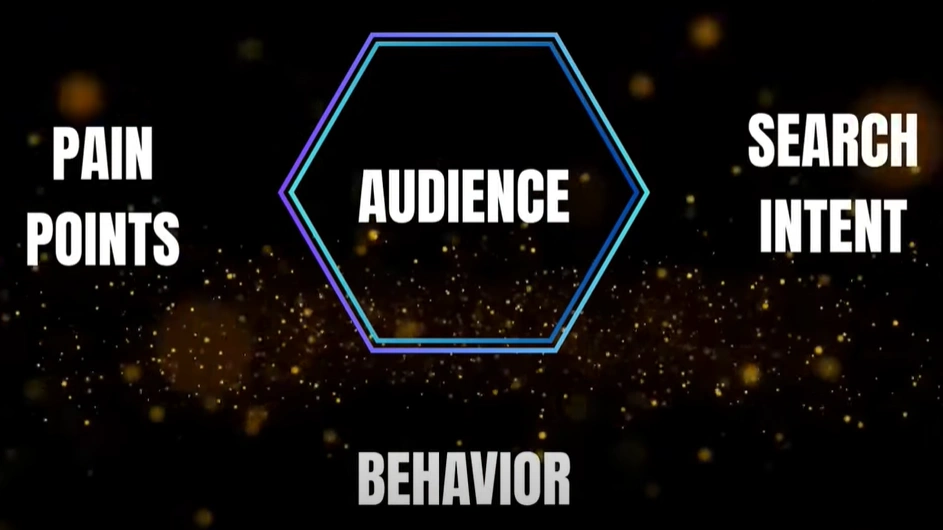
Understanding your audience isn’t about guesswork. Many sites fail because they chase keywords instead of solving real problems.
“If you don’t know who you’re talking to, how will you know what to say?”
Common Pitfall:
- Using generic audience data
- Missing the ‘why’ behind searches
Fix it:
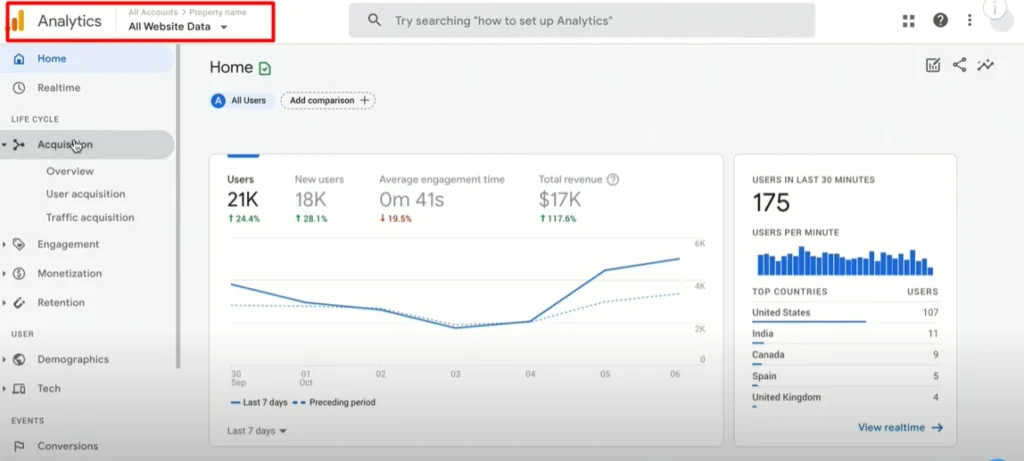
- Use Google Analytics and Search Console to study user behavior
- Create detailed buyer personas
- Identify pain points and match your content to their intent
Mistake 2: No SEO Strategy or Roadmap
Going into SEO without a plan is like driving blindfolded. Many marketers publish content aimlessly, hoping it sticks.
“A goal without a plan is just a wish.”
Fix it:
- Set clear goals (traffic, rankings, conversions)
- Build a content calendar with purpose
- Use tools like Ahrefs, SEMrush, or even Trello for workflow tracking
Mistake 3: Lack of Quality Content on the Site
Great design can’t save poor content. If your pages don’t help users, they won’t help your SEO.
Fix it:
- Focus on value: tutorials, how-tos, comparison guides
- Use FAQs and internal links to improve engagement
- Update old posts with fresh information
Pro Tip: Use Google’s “People Also Ask” to source subtopics users are actively searching for.

Mistake 4: Publishing Copied Content
Duplicate content is a trust-breaker. Not only will you be penalized, but you’ll also lose audience loyalty.
Fix it:
- Write in your own voice
- Add unique insights
- Run checks using Copyscape or Grammarly’s plagiarism tool
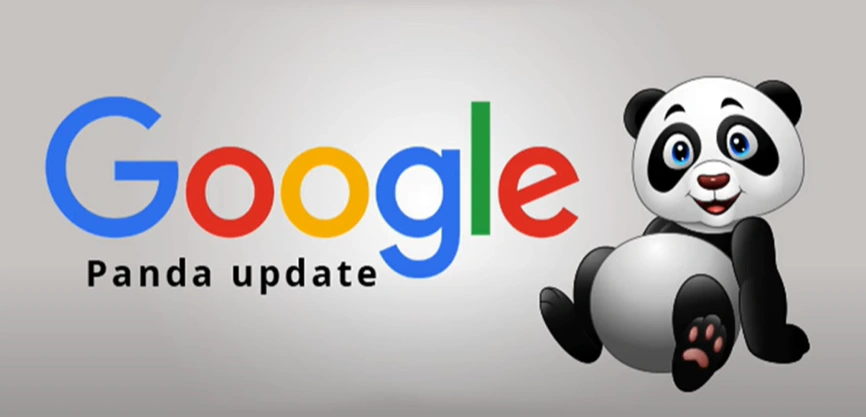
Note: Avoid copy-pasting AI content without editing. Google’s systems are smart enough to detect it.
Mistake 5: Skipping Meta Tags
Think meta tags don’t matter? Think again. They’re your first impression on the search results page.
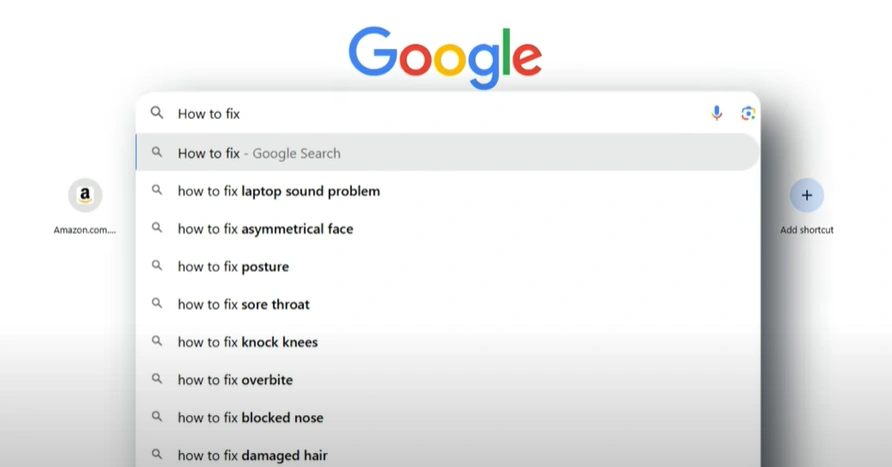
Fix it:
- Write compelling meta titles (under 60 characters)
- Create actionable descriptions (under 160 characters)
- Include primary keywords naturally
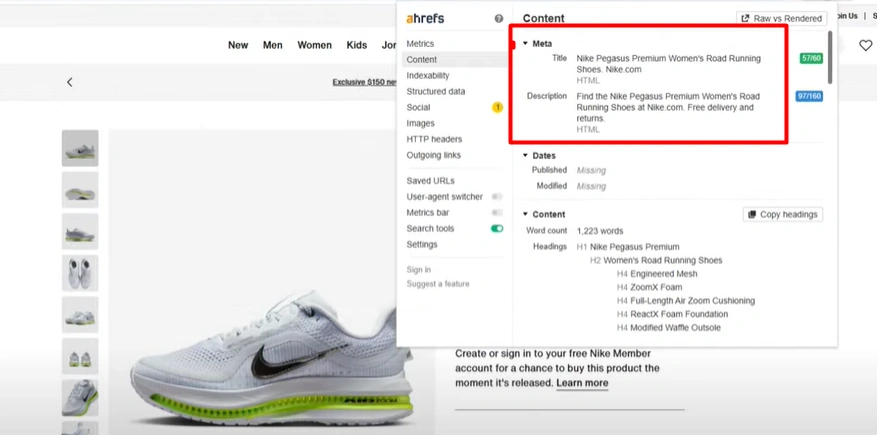
Tip: Treat them like mini ads—persuasive and benefit-driven.
Mistake 6: Missing Quality Links on the Website
Backlinks are still gold. If others trust your content enough to link to it, Google will too.
Fix it:
- Guest post on relevant blogs
- Use digital PR to get mentions
- Add value in forums or LinkedIn discussions
Tool to Try: Ahrefs’ backlink checker for analyzing opportunities.
Mistake 7: Overdoing Internal Links
Internal linking is great—but don’t overdo it. Too many links look spammy and confuse users.
Fix it:
- Link only to related content
- Use descriptive anchor text
- Avoid excessive links in one section
Quick Tip: Limit to 3–5 internal links per 500 words.
Mistake 8: Not Investing in a Mobile-Friendly Website
Mobile-first indexing is here to stay. If your site doesn’t work well on phones, Google will push it down.
Fix it:
- Use a responsive theme
- Optimize font sizes and button placements
- Test with Google’s Mobile-Friendly Tool
Fact: Over 60% of searches now happen on mobile.
Mistake 9: Ignoring the Power of Social Signals
Your content doesn’t live in a vacuum. Social proof (shares, likes, comments) amplifies visibility and credibility.
Fix it:
- Repurpose blogs into social posts
- Collaborate with micro-influencers
- Add share buttons to all content
Bonus: High social engagement often attracts backlinks organically.
Mistake 10: Not Using Analytics Tools to Track SEO Performance
Flying blind is a huge risk. Without tracking, you can’t measure success—or spot failures.
Fix it:
- Set up Google Analytics and Google Search Console
- Track KPIs like bounce rate, session time, and rankings
- Use heatmaps (like Hotjar) to study user behavior
Insight: Review reports monthly and optimize based on what’s working.
Mistake 11: Not Optimizing for Local SEO
If your business serves a specific area, local SEO is a must. It helps you rank in “near me” searches.
Fix it:
- Use city-specific keywords
- Create a Google Business Profile
- Get listed in local directories like Yelp or JustDial
Note: Encourage happy customers to leave Google reviews.
Mistake 12: Using the Same Anchor Text for Every Link
Uniform anchor text is a red flag. Google sees it as unnatural—and you could be penalized.
Fix it:
- Vary your anchor text (brand, partial match, generic)
- Make it flow with the sentence
Example: Instead of “cheap shoes,” use: “Check our affordable running shoe collection.”
Mistake 13: Ignoring HTTP Status and Server Issues
Technical SEO matters. If search engines can’t access your content, it won’t rank.
Fix it:
- Run regular crawl reports (Screaming Frog or Sitebulb)
- Fix 404, 500, and timeout errors fast
- Upgrade hosting if needed
Quote: “Google can’t rank what it can’t read.”
Mistake 14: Not Using 301 Redirects
If you delete or move a page, redirect it. Broken links frustrate users and damage SEO.
Fix it:
- Use 301 (permanent) redirects
- Avoid redirect chains and loops
- Keep URLs clean and logical
Best Practice: Always test redirects to confirm they’re working.
Mistake 15: Having Irrelevant Pop-Ups on Every Page
Pop-ups are fine—when relevant. Misused ones damage user experience and inflate bounce rate.
Fix it:
- Use intent-based triggers (exit intent, scroll depth)
- Limit frequency
- Don’t cover core content or CTAs
Tip: A/B test different pop-up designs to find what converts best.
Final Thoughts: Avoiding SEO Pitfalls in 2025
Every SEO mistake is a missed opportunity—but every one is fixable. With the right tools, consistent action, and a clear roadmap, your site can grow sustainably and outrank competitors.
Remember: SEO is not a one-time task. It’s a long-term investment in your business visibility.
If you’re serious about improving rankings, traffic, and conversions, don’t go it alone.
Ecomclips is here to help.
We turn SEO challenges into opportunities with:
- Technical audits
- Backlink building
- Keyword optimization
- Mobile-first content strategies
Let’s make your website future-proof.
📧 Contact us at info@ecomclips.com and unlock your SEO growth today!

Explore More SEO Insights from Ecomclips
If you found this guide helpful, you’ll love these related blogs that dive deeper into smart SEO strategies, content optimization, and digital growth tactics. Keep learning and growing with Ecomclips: