

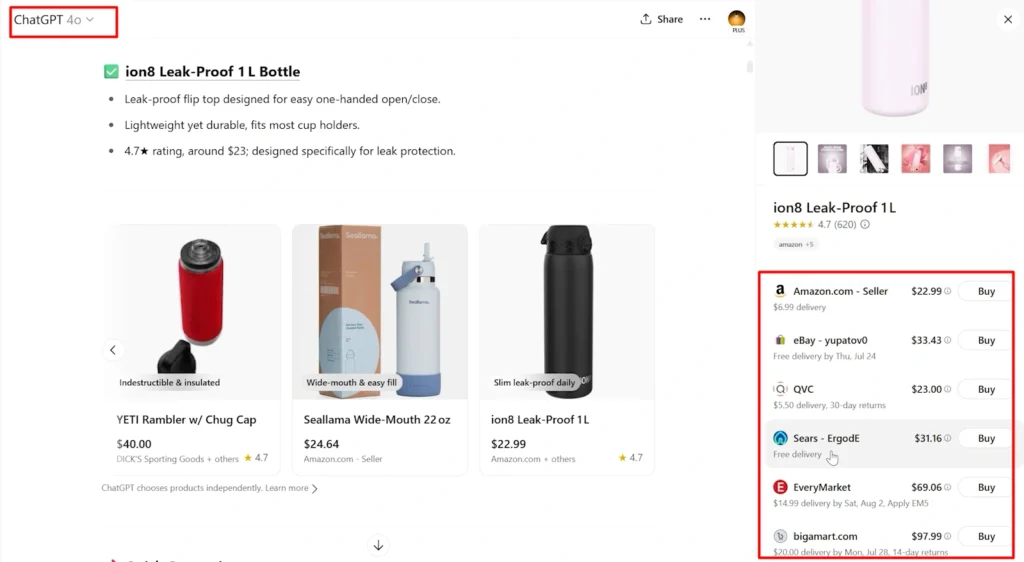
If you’ve ever wondered why ChatGPT or similar AI tools recommend certain products over others, you’re not alone. Imagine asking ChatGPT for a durable, leak-proof water bottle for daily use — and it instantly gives you buying options from Amazon, eBay, QVC, and other marketplaces, complete with prices, ratings, and reviews. But how exactly does it decide which products to recommend? More importantly, how can your product become one of those recommendations?
In this article, we’ll dive deep into the criteria behind AI product recommendations, what makes a listing stand out, and actionable tips to help your Amazon water bottle (or any product) get recommended by AI tools like ChatGPT in 2025 and beyond.
Understanding How ChatGPT Finds Products
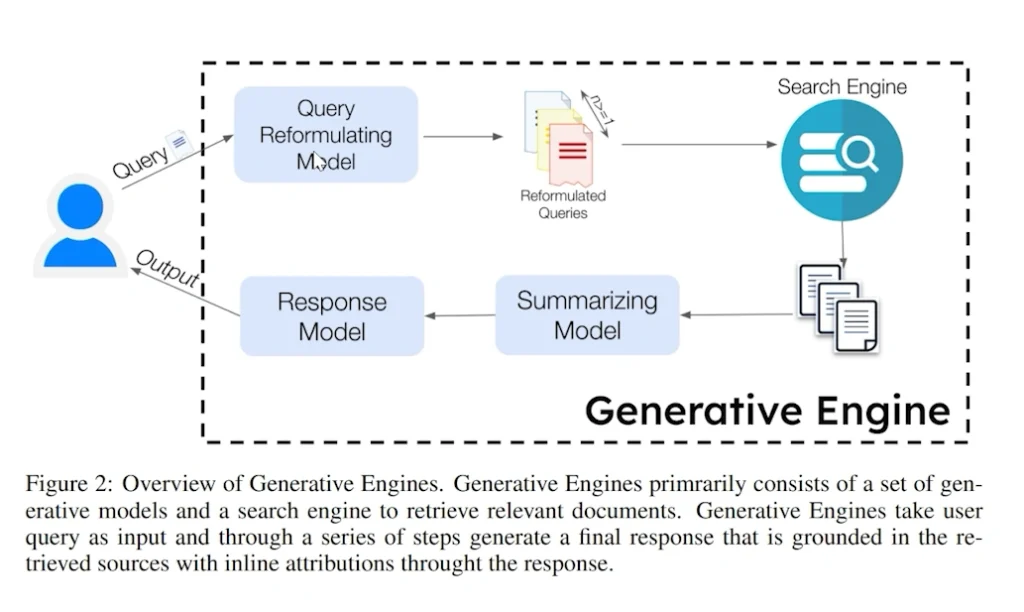
Unlike traditional search engines that focus on one website at a time, ChatGPT pulls data from across the internet. When you type in a query, the AI breaks it down into smaller parts, runs multiple searches across platforms, and synthesizes a summarized answer. This process, sometimes called generative engine optimization, means ChatGPT evaluates products from Amazon, eBay, QVC, and even niche websites — comparing prices, reviews, and ratings to give the best suggestions.
For example, when you ask about a durable water bottle, ChatGPT won’t limit itself to Amazon. It scans multiple marketplaces and returns recommendations based on a mix of user needs, product ratings, expert reviews, and real-world data.
What Criteria Does ChatGPT Use to Recommend Products?
When it comes to recommending specific products, ChatGPT looks for several key factors:
- User Intent and Needs: The AI analyzes the exact wording of your query to understand what you want.
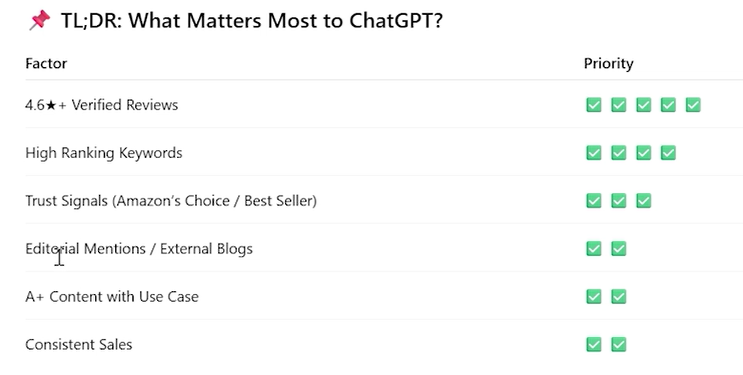
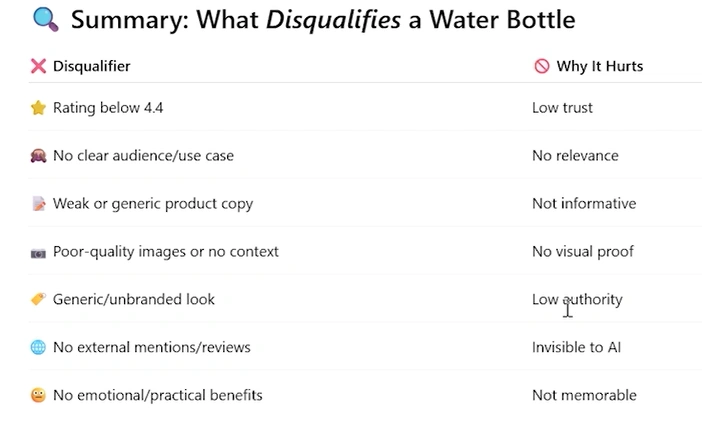
- High Ratings and Reviews: Products generally need a rating of 4.5 stars or higher with a significant number of reviews to qualify.
- Cross-Marketplace Availability: Products available across multiple marketplaces and websites gain higher credibility.
- Trusted Brands and Recognitions: Established brands with endorsements, awards, or bestseller status rank better.
- Material Quality and Features: Practical features like leak-proof design, portability, and durability matter a lot.
- Social Proof and Online Mentions: Mentions on platforms like Reddit, Quora, and expert blogs help build trust.
- Detailed Product Specs and Comparisons: Clear product specifications and comparison data enhance credibility.
Interestingly, having thousands of reviews is not always mandatory. ChatGPT also recommends products with fewer reviews if they meet other quality criteria. This means newer products can still get recommended if they have strong ratings, authentic reviews, and good brand presence.
How to Optimize Your Amazon Listing to Get Recommended by ChatGPT
If you want your water bottle—or any other product—to be one of the AI’s top picks, you need to focus on several key areas. Below, we break down actionable strategies to help you stand out:
1. Optimize Your Listing for SEO and Keywords
To capture both Amazon’s algorithm and AI tools like ChatGPT, you must use clear and relevant keywords throughout your listing. Start with thorough keyword research using tools like Helium 10 or Jungle Scout. Incorporate primary keywords such as “durable water bottle,” “leak-proof bottle,” and add niche-specific terms like “gym water bottle” or “hiking bottle.”
Make sure your product title is descriptive yet concise, including your brand name, bottle size, main features, and intended audience. For example:
“HydroPure 24oz Leak-Proof Water Bottle – Durable BPA-Free Design for Gym, Hiking, and Office Use”
Including the right keywords in your title, bullet points, and backend search terms will help your product be discoverable across platforms.
2. Structure Your Product Listing for Clarity and Persuasion
A well-structured listing speaks directly to customer needs. Your bullet points should not just list features but also explain the benefits clearly. For instance, instead of saying:
“50-megapixel camera,”
say:
“50-megapixel camera captures crystal-clear photos even in low light, perfect for every moment.”
Your product description is your chance to tell a story. Use a narrative format that answers potential questions and highlights how your product fits into the customer’s life. Address common pain points, explain unique selling points, and include use cases to make it relatable.
3. Leverage A+ Content and FAQ Sections
A+ Content is an advanced tool to enhance your product detail page with rich visuals and compelling copy. Use it to target specific buyer personas—whether they’re fitness lovers, students, or busy professionals—by creating dedicated content blocks for each.
In addition, including a FAQ section addresses detailed questions customers might have. This improves user experience and helps AI tools understand your product better by providing structured answers that match common queries. FAQs can cover topics like care instructions, warranty details, or use cases.
4. Build Social Proof and External Mentions
Reviews and social proof remain critical for trust-building. Encourage customers to leave genuine reviews, focusing on quality over quantity. Consider enrolling your product in Amazon Vine to quickly gather verified reviews that boost credibility.
Beyond Amazon, get featured on trusted review sites and engage with communities on platforms like Reddit and Quora. Positive mentions in expert blogs, forums, and social media channels increase your product’s authority and improve AI recommendation likelihood by expanding your digital footprint.
5. Maintain Strong Seller Performance Metrics
Your seller metrics reflect how well you manage customer satisfaction and product quality. Keep your return rates low by ensuring product quality and clear descriptions. Maintain a high percentage of positive feedback and promptly address customer concerns.
Avoid any listing suppressions or alerts as these can damage your visibility and credibility. Consistent sales velocity signals to AI and Amazon’s algorithm that your product is reliable and in demand, increasing your chances of being recommended.
Why Niche Superiority Can Help You Win
Competing head-to-head with large, established brands across every product feature is often a losing battle—they simply have more resources, wider recognition, and bigger ad budgets. Instead of trying to beat them at everything, you can win by becoming undeniably the best in one specific niche or use case.
For example, if your water bottle features a child-proof lock or is perfectly sized for school backpacks, that becomes your primary selling point. When shoppers see your product solving a specific problem better than anyone else, they’re more likely to choose you over a more generic favorite. Over time, niche superiority not only helps you rank higher in relevant searches but also builds a loyal customer base that actively recommends your product.
Final Thoughts: Becoming the Product Everyone Recommends
In 2025 and beyond, ranking high on Amazon or being recommended by AI like ChatGPT isn’t just about chasing keywords or running ads. It’s about building trust with customers and AI systems alike. Focus on authentic reviews, clear messaging, strong branding, and a diversified presence across marketplaces and the web.
Ecomclips can help you every step of the way, from optimizing your listings and boosting your brand visibility to ensuring your products meet the criteria that both customers and AI love. To make this easier, we’ve prepared a detailed checklist covering all these points. If you want a copy or need expert assistance to get your products recommended and ranking, reach out to us at info@ecomclips.com. Let’s make your brand the one everyone talks about and recommends.
Thanks for reading! Stay tuned for more expert tips to dominate Amazon and e-commerce in the AI era.