
Launching a new product on Amazon often begins with excitement. Glowing reviews, high star ratings, and brisk initial sales create momentum. But then things slow down. Sales dip, conversions fade, and frustration sets in. Many sellers respond by relaunching, hoping for better results. Relaunching, however, is usually not the solution.
At Ecomclips, we’ve helped dozens of sellers realize the issue isn’t timing, it’s strategy. This is especially true for premium-priced products, which require more than a second launch; they demand a smarter approach.
The Challenge of Premium Pricing
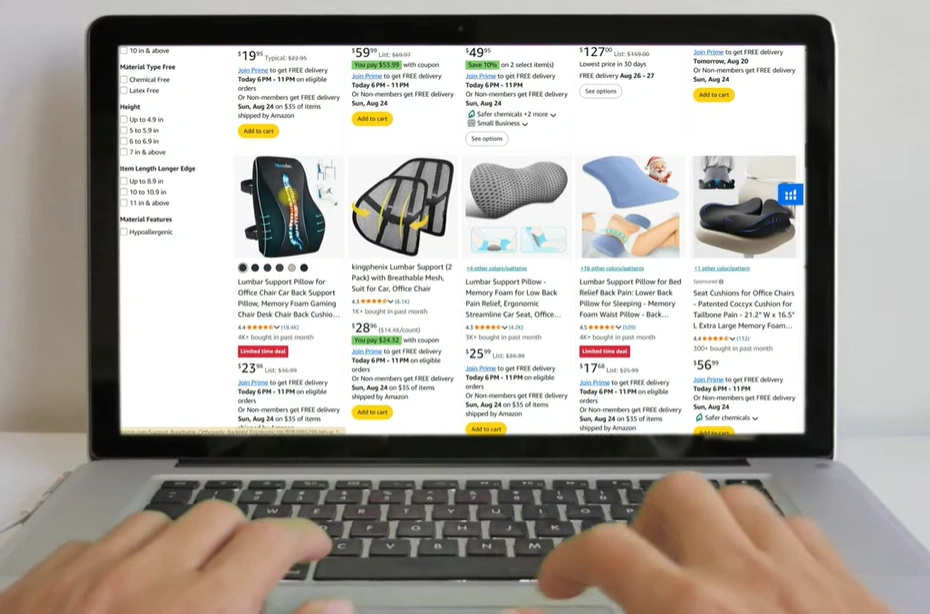
Competing in a category where products are typically $20 to $40, but yours starts at $120 can seem impossible. On the surface, it looks like you’re priced out. In reality, you’re simply in a different league. The bargain shoppers seeking budget fixes aren’t your target. Your customers want quality and long-term relief. The error many sellers make is trying to compete in bargain territory. To win with a high-ticket item, you must focus on value.
As our team often repeats: “Don’t try to be the cheapest option. Be the most valuable one.”
Why Differentiation Matters More Than Features
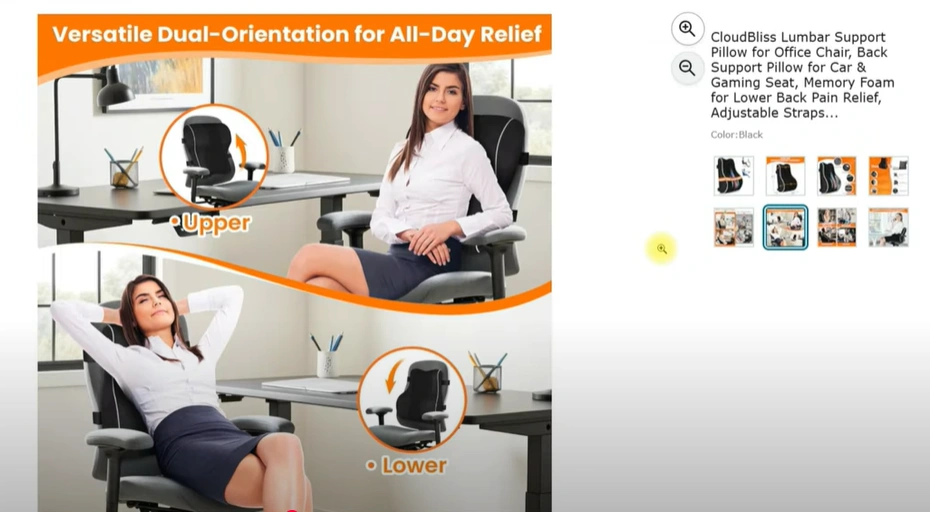
Many sellers believe that slightly better features justify a much higher price. That’s not how customers think. They only pay more when they perceive something is fundamentally different. Your Amazon listing is your salesperson. Every image, bullet point, and piece of copy must tell that premium story. At Ecomclips, our Amazon Listing Optimization Services transform listings by rewriting copy, enhancing visuals, and testing variations to turn listings into sales machines.
Because, as we say: “Ads bring traffic but a weak listing will lose it every time.”
Stop Competing On Price: Win With Long-Tail Keywords
Trying to outbid cheaper products is a losing battle. Competing in the same broad categories where low-cost listings dominate only wastes ad spend and weakens your positioning. Instead, premium sellers must define a different game by focusing on long-tail, intent-driven keywords. These searches may seem small in volume, but they are incredibly powerful because they attract buyers who are not casually browsing but actively seeking relief and willing to invest in quality solutions.
For example, targeting phrases like “premium lumbar support for chronic pain”, “ergonomic back cushion for office chairs”, or “orthopedic cushion for tailbone pain” might only deliver 150 to 400 searches per month, yet those clicks are gold. Each represents a motivated buyer who is frustrated with cheap products and ready to pay for comfort, durability, and real results.
Here’s why long-tail keyword targeting works so well for premium products:
- Higher buyer intent – Customers searching with detailed, pain-driven keywords are already close to purchase.
- Less competition – Broad terms are dominated by cheaper listings, while niche phrases give you space to stand out.
- Better ROI – Long-tail targeting reduces wasted ad spend by focusing only on qualified traffic.
- Stronger brand positioning – Owning specific keyword niches builds authority and sets you apart as the premium option.
- Consistent conversions – Smaller traffic volumes can still deliver steady, profitable sales when the intent is high.
How Helium 10 Can Help: Tools like Helium 10 make this process easier by uncovering hidden keyword opportunities. With features like Cerebro (reverse ASIN lookup) and Magnet (keyword research), sellers can identify long-tail, low-volume but high-relevancy keywords their competitors often overlook. By building exact-match campaigns around these terms, you can dominate smaller but highly profitable spaces, ensuring every advertising dollar attracts the right customers.

At Ecomclips, our Amazon PPC Services leverage Helium 10 data to design campaigns that not only bring traffic but convert consistently, helping premium products win where cheaper listings cannot compete.
Thinking About Hiring an Amazon Expert?
Ecomclips’ Partners Achieve an Average 85% Profit Increase!
The Winning Strategy For Premium Products
Succeeding with a premium Amazon product isn’t about chasing trends or copying cheaper competitors. It requires a deliberate strategy that highlights value, builds trust, and positions your brand differently. Many sellers fail because they try to compete in the same space as budget products, but premium customers shop with a completely different mindset. They are not looking for the lowest price — they are looking for a reliable solution that improves their life. That means your product, your listing, and your ads all need to work together to deliver a premium experience.
Success with a premium Amazon product demands three things.
- Fix the listing with premium visuals, compelling copy, and brand storytelling.
- Test and optimize with A/B testing titles, images, and bullets to refine what converts best.
- Target smartly by leveraging long-tail keywords tied to pain and intent.
- Stop price battles and position your product as the premium solution, not a bargain.
Applying this strategy consistently leads to higher conversions and stronger, sustainable growth.
As one of our Amazon experts says: “You are not selling a pillow. You’re selling comfort. You’re selling relief. You’re selling a solution to pain.”
Frequently Asked Questions (FAQ)
Q1: Why use long-tail keywords instead of short-tail ones?
- Long-tail keywords show higher buyer intent and attract motivated shoppers.
- They have less competition, making it easier for your product to rank.
- They improve ROI by reducing wasted ad spend.
Learn more in our Amazon PPC Services.
Q2: How do I find the best long-tail keywords for Amazon?
- Use keyword research tools to uncover hidden, high-intent phrases.
- Analyze competitors with reverse ASIN lookups to discover untapped terms.
- Test and refine campaigns around niche keywords that convert.
Q3: What common mistakes hurt Amazon listing performance?
- Weak keyword research and poorly optimized titles.
- Low-quality images without lifestyle or infographic support.
- Ignoring A+ or Premium A+ Content and backend search terms.
Q4: Why is listing optimization so important for Amazon success?
- Optimized listings improve organic ranking and ad performance.
- Strong visuals and persuasive copy build trust and boost conversions.
- Clear, benefit-driven content reduces returns and improves customer satisfaction.
Q5: How should I structure my product title for Amazon SEO?
- Start with your primary keyword at the beginning.
- Keep it under 150 characters for readability across devices.
- Focus on benefits while keeping keywords natural, not stuffed.
Final Thoughts
Relaunching a product without changing your strategy only leads to repeat failure. Premium products demand premium tactics: compelling listings, differentiation, targeted long-tail marketing, and smart ad use. At Ecomclips, we specialize in making that shift, turning strugglers into best-sellers with high-converting, visually powerful listings and laser-focused campaigns.If your premium product is underperforming, don’t relaunch, transform. Contact Ecomclips today and let’s build a strategy that reflects your true value and delivers consistent, scalable Amazon growth.
Ready to Start Growing Your Brand?
Ecomclips’ Partners Achieve an Average 85% Profit Increase!