

Prime Day planning starts weeks before the event goes live. If you are waiting for Amazon to confirm every detail before optimizing pricing, inventory, deals, and Amazon PPC campaigns, you may already be falling behind competitors.
For Amazon Prime Day 2026, the biggest clues are hidden in the official deadlines and inventory readiness windows. These signals suggest that Amazon Prime Day 2026 dates could arrive earlier than many sellers expect. At the same time, updated Amazon Prime Day deals 2026 rules are making pricing strategies stricter, leaving less room for last-minute preparation or weak promotional planning.
A strong Amazon Prime Day PPC strategy, early inventory planning, and optimized campaign structure will be critical for sellers who want to scale sales and improve performance during Prime Day 2026.
Why Amazon Prime Day 2026 May Arrive Earlier Than Expected
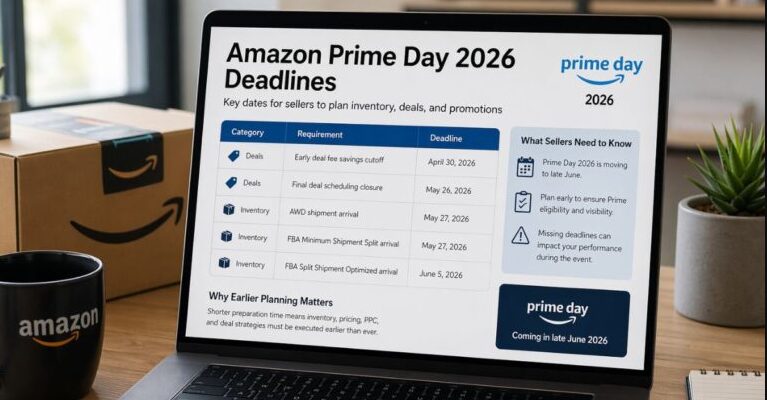
Amazon officially opened deal submissions for Amazon Prime Day 2026 on March 24, 2026, but the bigger story is hidden inside the deadlines and inventory timelines. For sellers focused on Amazon PPC, Prime Day advertising strategy, and inventory planning, these early cutoffs may signal that Amazon Prime Day 2026 dates could arrive sooner than many expected.
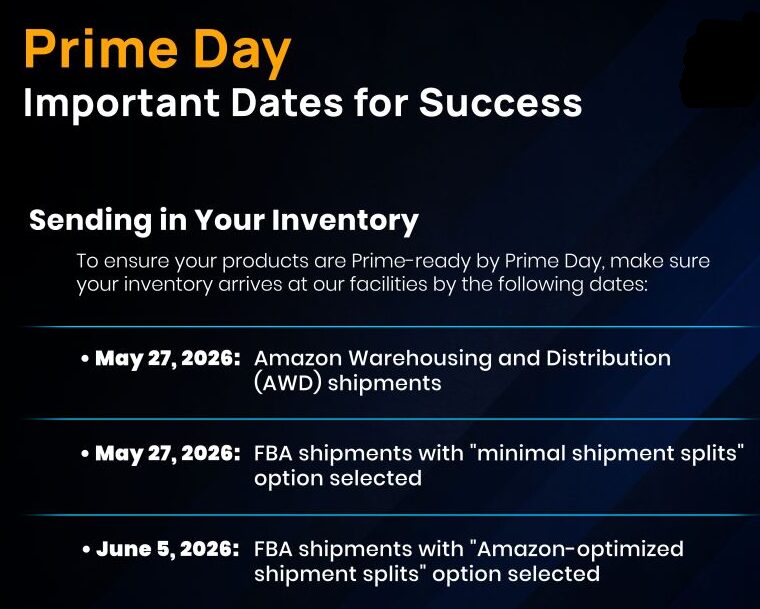
Amazon typically requires inventory to be fully ready 3 to 4 weeks before Prime Day begins. In 2026, the Amazon Prime Day inventory deadline 2026 falls between May 27 and June 5, which is noticeably earlier than previous expectations. Based on these timelines, many sellers and analysts predict that Prime Day could take place between June 25 and July 2, 2026. While Amazon has not officially confirmed the event dates yet, the calendar strongly points toward an earlier shopping event.
Another important factor is the July 4 holiday period. Historically, shopping behavior changes around Independence Day, which is why Amazon may position Prime Day before the holiday rush rather than after it. This scheduling shift also explains why Amazon moved several important deal submission deadlines forward.
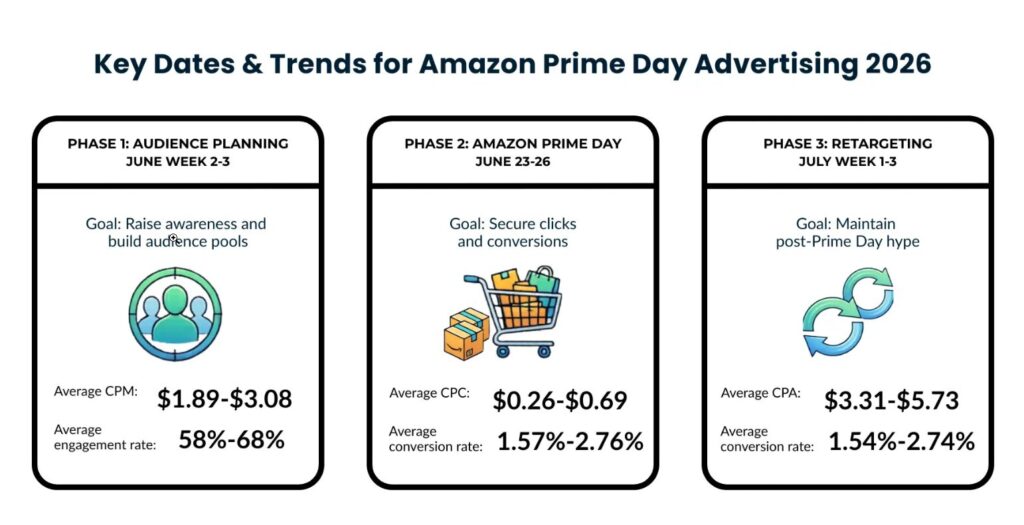
Key Amazon Prime Day 2026 Deadlines
- General deal submissions opened on March 24 and continue through May 26, 2026.
- The Amazon Lightning Deals deadline 2026 and the Amazon Best Deals submission deadline are both set for April 30, 2026.
- The Amazon Prime Day inventory deadline 2026 runs between May 27 and June 5, 2026.
Many sellers focus only on the May 26 general submission deadline and assume there is still plenty of time for Amazon Prime Day preparation. However, the more competitive placements, including Lightning Deals and Best Deals, close much earlier. Sellers who miss the April 30 cutoff may lose access to some of the highest-visibility promotional opportunities during Prime Day.

This is why early Amazon Prime Day PPC campaign setup and inventory planning are becoming increasingly important. Sellers preparing their Amazon PPC optimization for Prime Day now will have more time to test campaigns, improve keyword targeting, and scale winning ads before competition and CPC costs rise sharply.
A successful Amazon seller strategy 2026 should include early pricing adjustments, faster inventory preparation, and a strong Prime Day PPC setup well before the event begins. Sellers who wait for final announcements may already be behind competitors who are actively working on Amazon advertising strategy, deal submissions, and PPC optimization today.
If you are wondering how to prepare for Amazon Prime Day 2026, the answer is simple: start earlier than usual. The sellers who prepare inventory, pricing, and Amazon Prime Day PPC strategy weeks ahead of the event will be in a much stronger position to capture traffic and maximize sales during Amazon Prime Day deals 2026.
If you want more Amazon seller content between major sales events, the eComclips Blog has related updates and articles.
Amazon Prime Day 2026 Discount Rules Are Much Stricter

Amazon has updated its Prime Day pricing policies, and the new rules are significantly tighter for Amazon Prime Day 2026. These changes are designed to prevent fake discounts and misleading promotional pricing, making early pricing strategy and Amazon Prime Day preparation more important than ever for sellers.
For Amazon Prime Day deals 2026, sellers can no longer raise prices temporarily and apply a discount badge just to qualify for promotions. Amazon now checks historical pricing data much more aggressively before approving deals.
New Amazon Prime Day 2026 Pricing Rules
Two major rules now shape how Prime Day discounts work:
- Your deal price must match or beat the product’s lowest price from the previous 60 days.
- Your Prime Day deal must also be at least 5% lower than the product’s average price from the last 30 days.
These stricter rules directly impact Amazon seller strategy 2026 because sellers now need to plan pricing much earlier, before deal submission deadlines arrive.
Example of Amazon’s New Prime Day Discount Logic

Imagine a product currently sells for $50, but it dropped to $45 during the last 60 days. Under the updated Amazon Prime Day 2026 rules, a seller cannot create a Prime Day deal at $47 and expect it to qualify.
Instead:
- The Prime Day deal price must match or beat $45.
- If the 30-day average price is also $45, the seller must still provide an additional 5% discount below that number.
This means the final promotional price would need to go lower than $45 to qualify for Prime Day placement.
These updated requirements are changing how sellers approach Amazon Prime Day PPC strategy, inventory planning, and promotional timing. Weak pricing history or inconsistent discounts may now hurt deal eligibility during Prime Day.
Why Early Prime Day Preparation Matters More in 2026
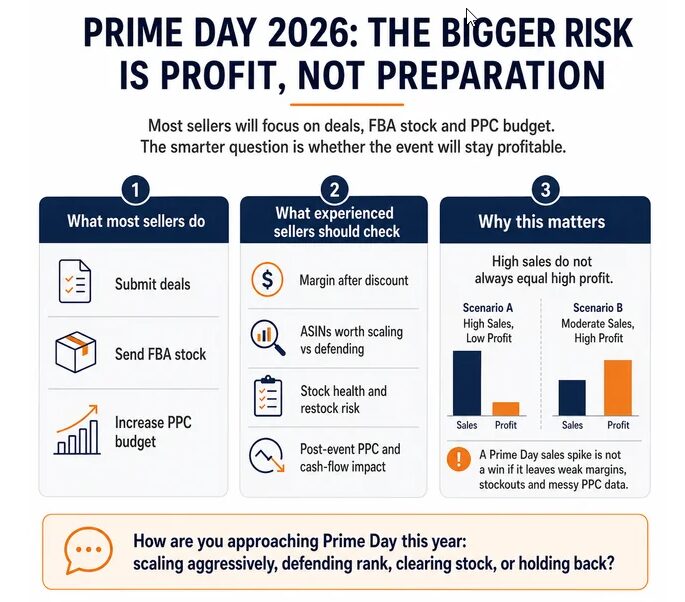
The new rules make early Amazon Prime Day preparation critical for sellers using Amazon PPC and Prime Day advertising strategy to scale sales.
If your account shows lower historical pricing, Amazon may reject deals that do not meet the updated standards. This reduces opportunities for inflated strike-through pricing and forces sellers to focus on legitimate promotional value.
Because of this, successful sellers are now:
- Adjusting pricing weeks before Prime Day
- Planning Amazon Prime Day inventory planning earlier
- Building stronger Amazon PPC optimization for Prime Day strategies
- Testing conversion rates before deal submission
- Improving Prime Day ROAS strategy and Prime Day ACOS optimization ahead of traffic spikes
Updated Amazon Prime Day 2026 Promotion Fees
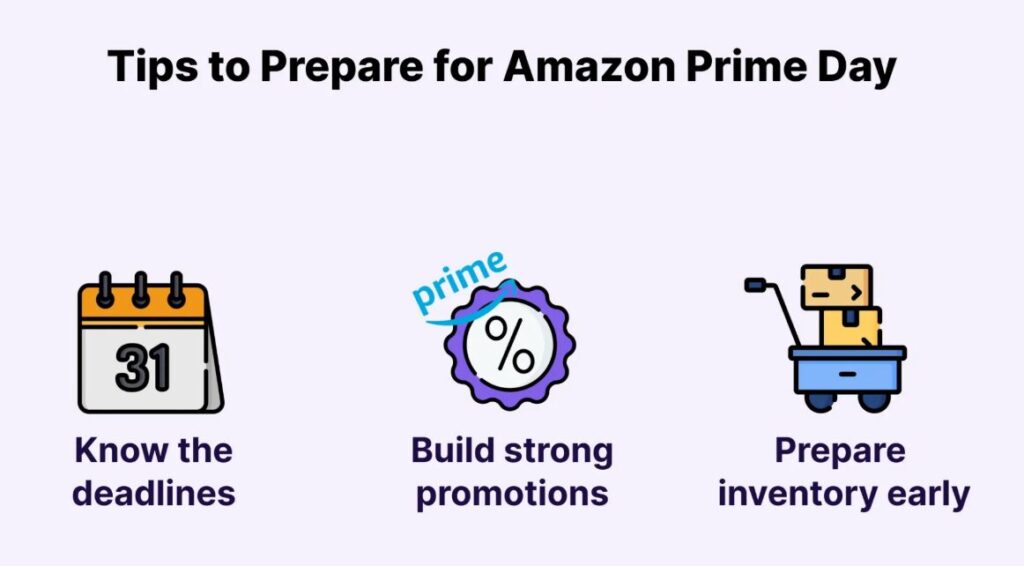
Amazon also adjusted its Prime Day promotional fee structure:
| Fee Type | Amount | Details |
| Upfront Promotion Fee | $100 | Charged per promotion |
| Variable Fee | 1.5% of promotional sales | Capped at $5,000 |
| Early Submission Discount | $50 Off | Available before April 30 |
This means sellers who miss the Amazon Lightning Deals deadline 2026 or the Amazon Best Deals submission deadline may not only lose premium placements but also pay higher promotional costs.
How These Changes Impact Amazon’s PPC Strategy for Prime Day
The tighter pricing rules directly affect Amazon PPC 2026 planning because better deals often improve:
- Click-through rates
- Conversion rates
- Prime Day keyword harvesting
- Top of search bidding Prime Day performance
- Sponsored ads visibility
A strong Amazon PPC strategy for Prime Day should now combine:
- Competitive pricing
- Early inventory readiness
- Prime Day PPC setup
- Amazon PPC bid optimization
- Exact match keyword targeting
- Amazon PPC scaling strategy
Sellers preparing an Amazon Prime Day PPC campaign setup early will have more time to identify profitable keywords, optimize bids, and scale winning campaigns before Prime Day traffic increases.
Amazon Prime Day Inventory Timing Can Make or Break Your Sales
During Amazon Prime Day 2026, deals and Amazon PPC campaigns can drive massive traffic, but inventory is what ultimately converts that traffic into revenue. No matter how strong your Amazon Prime Day PPC strategy or Prime Day advertising strategy is, it will not matter if your products are out of stock or unavailable in FBA during the event.
This is why Amazon Prime Day inventory planning has become one of the most important parts of the Amazon seller strategy 2026.
Why the Amazon Prime Day Inventory Deadline 2026 Matters
Amazon’s inventory readiness window for Prime Day runs between May 27 and June 5, 2026. Many sellers misunderstand this timeline and treat it like an Amazon FBA shipment deadline for Prime Day. In reality, this is a “be-ready” deadline, not a “ship-by” deadline.
Your inventory must:
- Arrive at Amazon fulfillment centers
- Be fully received by Amazon
- Become live and available in the FBA inventory
If your stock is still in transit or waiting to be checked in, your listings may miss the biggest traffic surge of Amazon Prime Day 2026.
That is why Amazon Prime Day inventory readiness is critical for sellers preparing Prime Day campaigns, Amazon sponsored ads, Prime Day promotions, and Lightning Deals.
Inventory Is the Foundation of Prime Day Success

Many sellers spend weeks working on:
- Amazon PPC optimization for Prime Day
- Prime Day PPC setup
- Amazon Prime Day PPC campaign setup
- Prime Day exact match campaign strategy
- Amazon PPC bid optimization
- Top of search bidding Prime Day
But if inventory is not available during the event, all of that traffic and advertising spend can be wasted.
A successful Amazon advertising strategy starts with inventory availability. Without stock, even the best Prime Day ROAS strategy and ACOS optimization cannot generate revenue.
The Right Prime Day Action Plan for Amazon Sellers
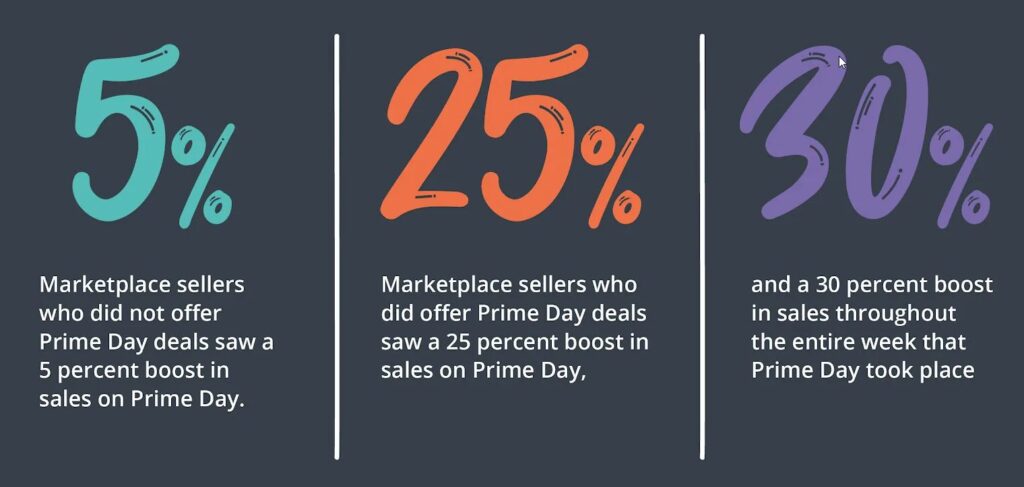
1. Adjust Pricing Early
Review your pricing strategy based on the new Amazon Prime Day discount rules and Amazon promotional pricing rules. Sellers should ensure their products qualify before the Amazon deal submission process begins.
2. Submit Deals Before April 30
If you want access to premium placements, follow the Amazon Lightning Deals deadline 2026 and the Amazon Best Deals submission deadline carefully.
Early submissions can help sellers:
- Qualify for Lightning Deals
- Reduce Amazon deal fee 2026 costs
- Improve visibility during Prime Day
3. Work Backward From the Inventory Window
Once your deals are submitted, calculate shipping timelines backward from the Amazon Prime Day inventory deadline 2026.
This means:
- Shipping inventory earlier than usual
- Avoiding delays at Amazon fulfillment centers
- Preventing stock from getting stuck in receiving
Why Many Sellers Fall Behind Before Prime Day Starts
One of the biggest Prime Day preparation mistakes sellers make is misunderstanding inventory timing. They assume the deadline means inventory should be shipped by that date, when Amazon actually expects inventory to already be live inside FBA.
That difference can determine whether your products:
- Capture Prime Day traffic
- Rank organically during the event
- Support Amazon PPC scaling strategy
- Or completely miss the sales surge
The Prime Day calendar is much tighter in 2026, which is why many sellers may already be behind on Amazon Prime Day stock planning.
Inventory Planning Supports Better Amazon PPC Performance
Inventory readiness also directly impacts Amazon PPC 2026 performance. When products remain consistently in stock, sellers can:
- Scale Amazon PPC campaigns confidently
- Increase budgets before Prime Day
- Improve keyword ranking history
- Support Prime Day keyword harvesting
- Optimize top-performing search terms earlier
This is one of the most overlooked factors in how to scale Amazon PPC before Prime Day.
The accounts that succeed during Amazon Prime Day deals 2026 are usually the ones that combine:
- Early inventory planning
- Strong Amazon PPC strategy for Prime Day
- Competitive pricing
- Efficient ad optimization
- And an aggressive campaign scaling before the event begins
Amazon Prime Day PPC Strategy Should Start Weeks Before the Event
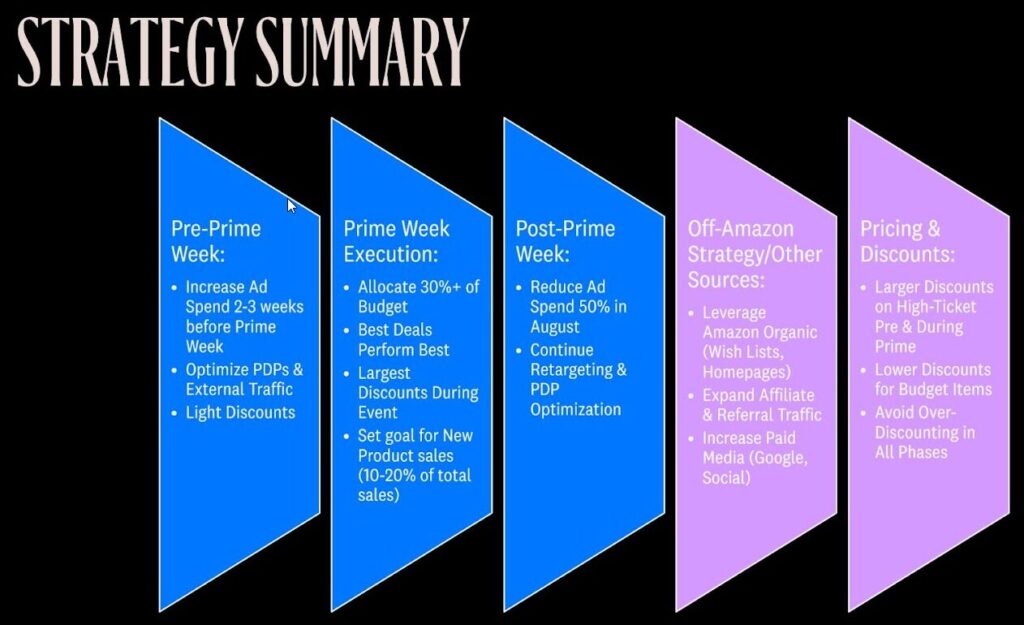
One of the biggest mistakes sellers make during Amazon Prime Day 2026 is waiting until the event begins to scale Amazon PPC campaigns. By that point, Amazon’s advertising system is still learning, collecting data, and identifying which keywords actually convert.
A successful Amazon Prime Day PPC strategy starts weeks before Prime Day traffic arrives. Sellers who prepare early gain stronger keyword data, better click-through rates, and more stable campaign performance before competition and CPC costs increase.
For Amazon Prime Day 2026, PPC preparation should be treated as a 30 to 45-day optimization window, not a two-day sales event.
Why Early Amazon PPC Optimization Matters for Prime Day
Amazon’s ad algorithm rewards accounts with historical performance data. The earlier sellers begin Amazon PPC optimization for Prime Day, the more time Amazon has to:
- Identify converting search terms
- Improve targeting accuracy
- Build keyword relevance
- Optimize bidding performance
- Increase ad placement opportunities
This is one of the most important Amazon seller PPC tips for Prime Day traffic optimization.
Sellers who delay Amazon Prime Day PPC campaign setup until the event starts often spend peak-season CPCs while still testing basic keyword performance.
How to Prepare for Amazon Prime Day 2026 With PPC
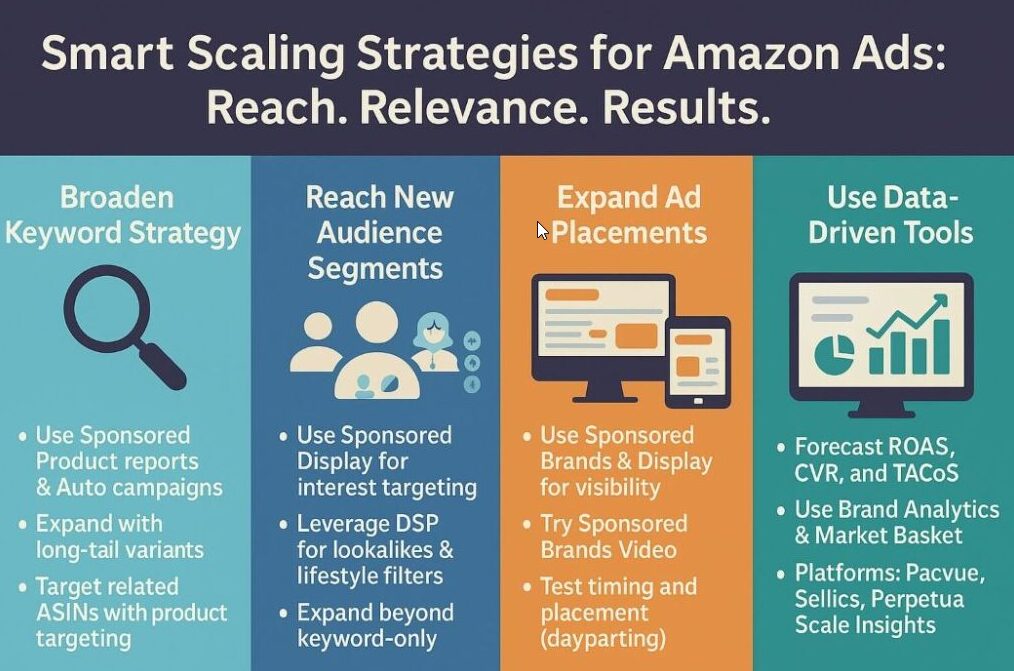
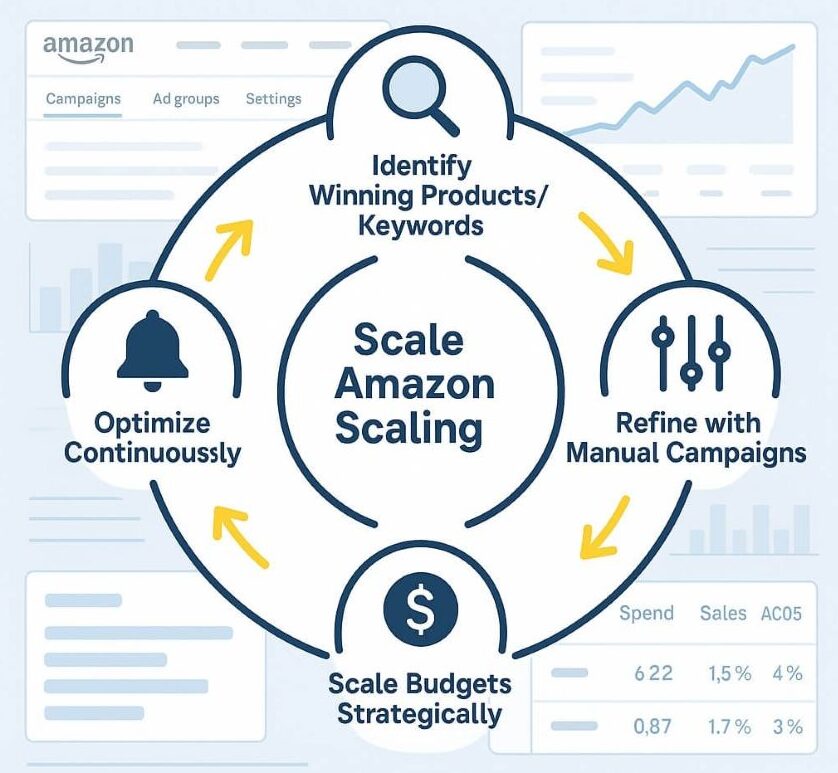
A strong Amazon PPC strategy for Prime Day follows a structured optimization process before the event begins.
1. Find High Converting Search Terms
The first step in Prime Day PPC setup is identifying:
- Keywords with strong conversion rates
- Search terms with high CTR
- Existing buyer-intent keywords
This data gives sellers real customer behavior insights instead of relying on guesses.
Prime Day keyword harvesting early helps build stronger campaigns before traffic spikes.
2. Move Winning Keywords Into Exact Match Campaigns
Once profitable search terms are identified, sellers should move them into:
- Prime Day exact match campaign strategy
- Intent-based keyword campaigns
- Dedicated high-converting ad groups
This creates tighter control over spend and improves Prime Day ROAS strategy during high-volume shopping days.
Exact-match targeting is especially important for Amazon sponsored ads Prime Day campaigns because it allows sellers to focus budgets on traffic most likely to convert.
3. Increase Bids on High Performance Keywords
Strong Amazon PPC bid optimization requires increasing bids on keywords that show:
- High CTR
- Strong conversion rate
- Consistent sales history
These keywords are already carrying the account before Prime Day, which means they often deserve more aggressive bidding before Amazon Prime Day 2026 dates arrive.
This strategy supports:
- Prime Day ACOS optimization
- Higher visibility
- Better organic ranking support
- Stronger campaign momentum
4. Push Harder on Top-of-Search Placement During Prime Day
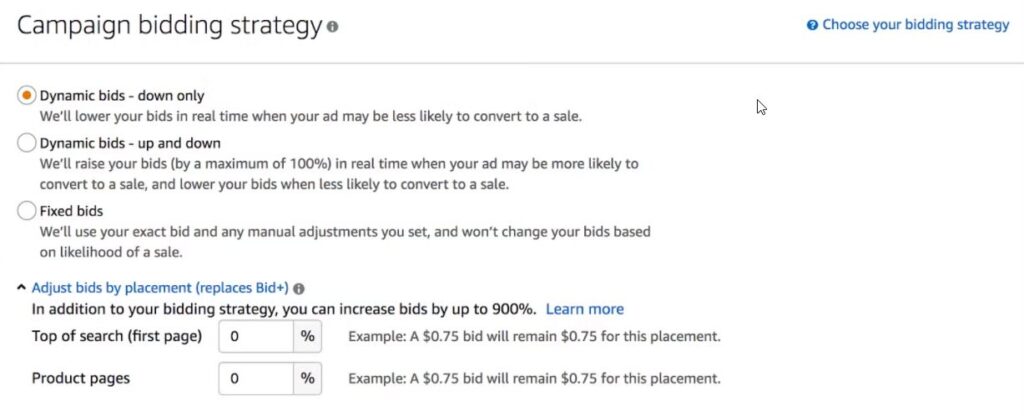
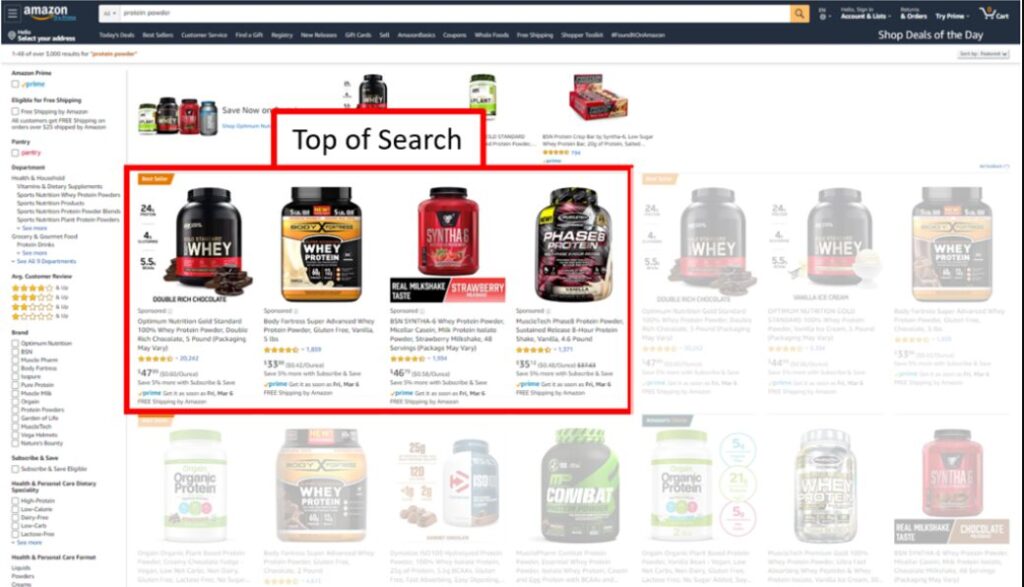
Once Prime Day begins, sellers should sharply increase:
- Campaign budgets
- Top-of-search bidding Prime Day adjustments
- Placement multipliers
- Winning keyword support
During Amazon Prime Day deals 2026, top-of-search placement can generate the highest traffic lift because shoppers tend to click heavily on the first visible products.
A strong Amazon PPC scaling strategy allows sellers to capture this surge without scrambling during the event.
Why Data Driven PPC Wins During Prime Day
Amazon rewards advertising accounts that already have a strong performance history before traffic spikes.
When sellers already know:
- Which search terms convert
- Which keywords generate sales
- Which campaigns produce profitable ROAS
They can scale spend confidently instead of wasting budget on testing unproven traffic during Prime Day.
This is why Amazon’s advertising strategy and e-commerce Prime Day preparation should begin weeks before the actual event.
PPC Momentum Also Improves Organic Visibility

Early Amazon PPC 2026 preparation can also improve:
- Sales velocity
- Organic keyword ranking
- Product visibility
- Sponsored ad performance
This creates a stronger foundation before Prime Day traffic arrives.
Accounts with:
- Clean keyword data
- Healthy budgets
- Strong CTR
- Good conversion history
Are usually in a much better position to benefit from Prime Day traffic optimization.
PPC Success Requires Inventory Readiness
Even the best Amazon Prime Day PPC strategy depends on Amazon Prime Day inventory readiness.
Before scaling ads, sellers should confirm:
- Inventory is already moving toward FBA
- Products will arrive before the Amazon FBA inventory deadline
- Stock will be live before the Amazon Prime Day inventory deadline 2026
Without inventory readiness, aggressive PPC scaling can waste ad spend during the event.
Final Thoughts on Prime Day PPC Preparation
The biggest takeaway for the Amazon seller strategy 2026 is simple: build your PPC system before you need it running at full speed.
The sellers who usually win during Amazon Prime Day 2026 are not the ones making last minute changes. They are the accounts that have already been prepared:
- Inventory
- Pricing
- Amazon promotional pricing rules
- PPC campaigns
- Keyword targeting
- Bid optimization
- Prime Day advertising strategy
Long before the Prime Day traffic surge begins.
For sellers wondering how to scale Amazon PPC before Prime Day, the answer is preparation, data collection, and early optimization, not last minute campaign launches.
The sellers who win Prime Day are usually busy long before the sale banner appears. In 2026, the deadlines, stricter pricing rules, inventory window, and PPC setup all point to the same thing: early preparation matters more than last minute action.
If Prime Day lands in late June or early July, the runway is even shorter. The accounts that are priced correctly, stocked early, and backed by strong ad data will be in the best position when the traffic arrives.
Where to get extra help before Prime Day
Ecomclips says sellers who want a closer look at their Prime Day readiness can email info@ecomclips.com for a free audit. The audit is meant to show where the account stands now and where the biggest gains may come from before the event begins.
You can also learn more strategies from the Ecomclips blog, browse the Ecomclips YouTube channel, check the company’s LinkedIn page, follow updates on Facebook, or visit Boostontime for the related brand presence.