
Selling health and beauty products on Amazon isn’t just about listing and bidding—it’s about trust, timing, and transformation. In a category where brand loyalty is hard-earned and customer expectations are sky-high, your Amazon PPC strategy must go beyond the basics. According to a 2024 Jungle Scout consumer trends report, over 78% of online shoppers now research ingredients or product details before buying health & beauty products, and 52% prefer brands with strong social proof or ratings above 4 stars. This shows how buyers in this category are more cautious, research-driven, and brand-sensitive.
Moreover, the health & beauty segment on Amazon continues to grow rapidly—projected to hit $34 billion in marketplace sales by the end of 2025, making it one of the most competitive spaces for sellers. In this post, we’ll dive into why health and beauty products demand a distinct advertising approach on Amazon, how consumer behavior differs in this space, and how to craft a high-converting Amazon PPC strategy tailored to this ever-evolving and competitive vertical.
1. The Importance of Product Listing
When it comes to health and beauty products, trust is everything. Customers are more likely to purchase from brands they recognize or listings that exude credibility. That’s why we need to ensure our product listings are top-notch. Here’s what we recommend:
- Zoomable Images: We should ensure our main image is high-quality and zoomable, giving customers a clear view of the product.
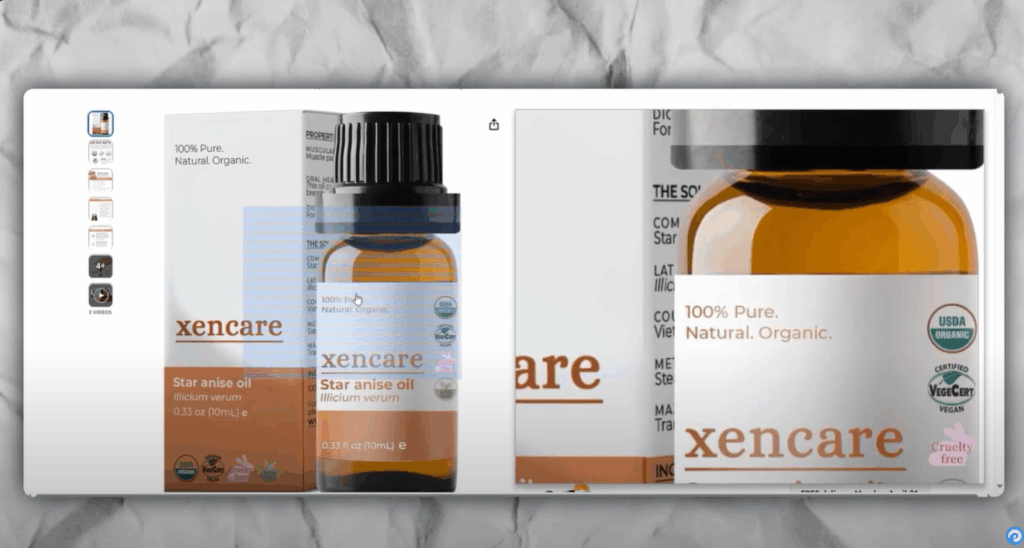
- Certification Details: We need to highlight any certifications or approvals our product has. This builds trust and reassures customers about the product’s safety and efficacy.
- Infographic Images: We should use infographics to explain the benefits, ingredients, or usage instructions. These are visually appealing and informative.
- Product Video: A video can be incredibly effective in demonstrating how to use the product, which is particularly important for health and beauty items.
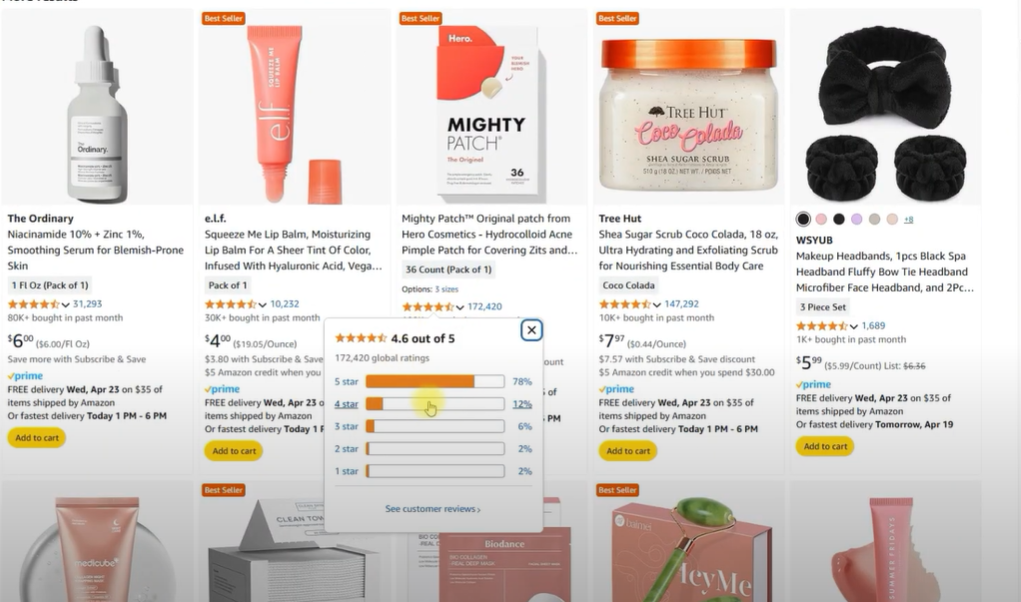
- Real Customer Reviews and Ratings: People usually choose renowned brands for health and beauty products. If we are a new seller in this category, we must focus on gathering real customer reviews and high ratings. These are critical for building trust, as potential buyers heavily rely on the experiences of others before trying a new product. The transcript emphasized this point, noting that reviews and ratings are essential components of a trustworthy listing, so we’ve ensured they’re prominently included here.
Here, we showcased an example of a well-optimized listing. You can see the first image is zoomable and also it’s giving us a clear view of this product. The second one is about certification. The third, fourth, and fifth ones are the infographic images. Here you can see we have a product video as well. So from this video, our customers will be able to see how they should use this product.
Once we have everything done with our listing—like we have good images, good title, bullet points, and A+ content; then we should focus on the ads.
2. Campaign Strategy for Health and Beauty Products
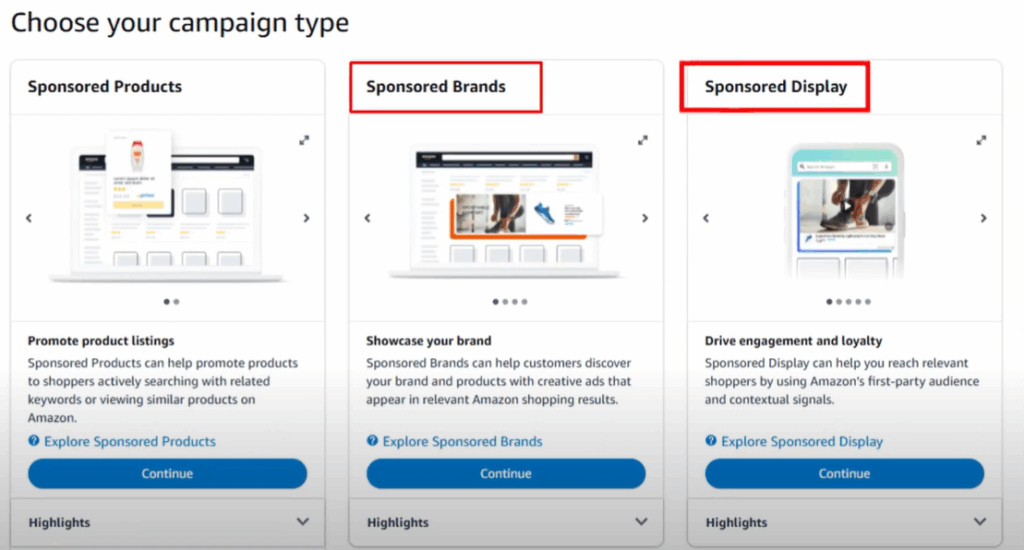
Now what should our Amazon ppc ad strategy look like? Which campaigns should we run, and what’s the keyword match type that works best for the health and beauty category? For health and beauty products, we suggest running sponsored product ads first. From here, you can see we have already created many sponsored product campaigns, and we’re getting good sales from there.
We have tried the sponsored brand and sponsored display ads as well, but we didn’t get that much sales from there. As mentioned earlier, this is a new account, so for now, we are going with the sponsored product campaigns first.
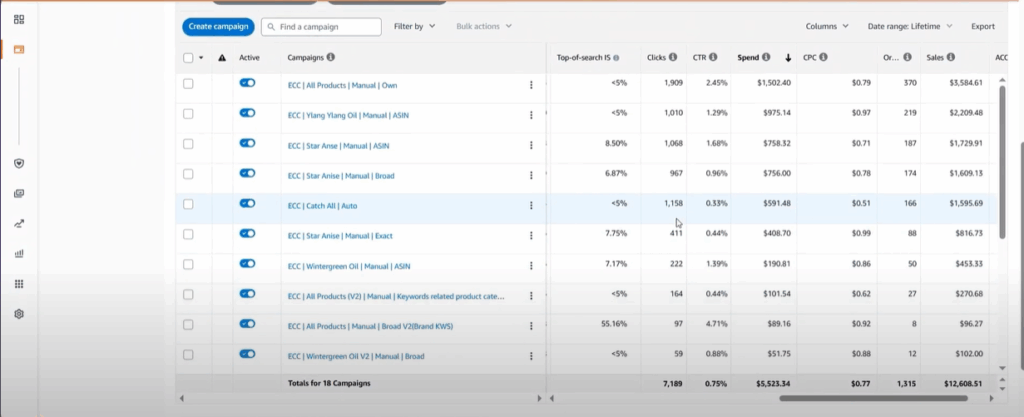
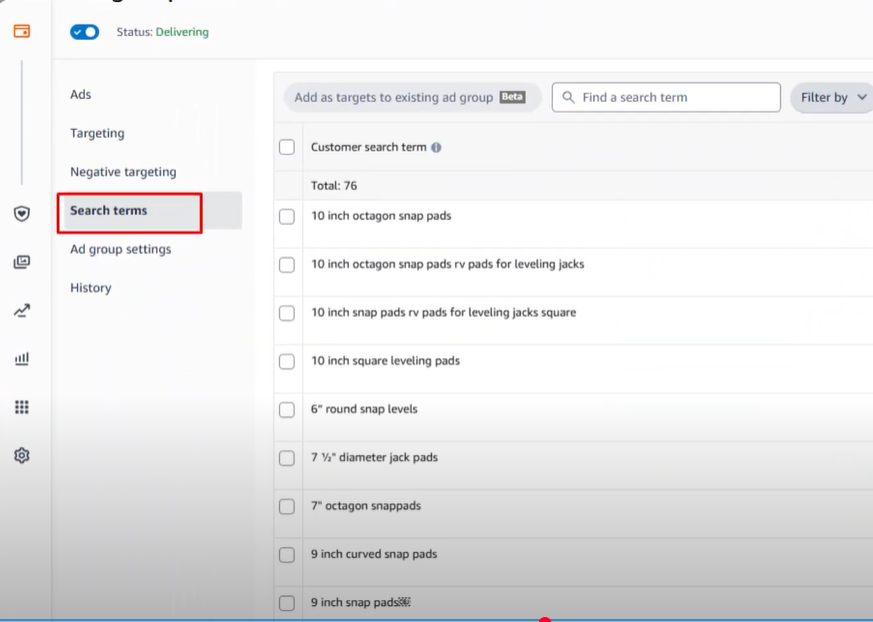
After a few days, we will check the search terms and then collect the keywords from there—which ones are actually doing good for us. Then we will run sponsored brand ads with those keywords. This phased approach ensures we maximize our Amazon PPC efforts effectively.
You might be wondering why we didn’t start with sponsored brand and display ads right away. The reason is straightforward: for a new account, especially in a competitive category like health and beauty, it’s crucial to first establish a foundation with sponsored product ads. These ads are more targeted and cost-effective for driving initial sales and gathering data on what works. Here’s why we made this choice:
- Test Keywords: Sponsored product ads allow us to identify which keywords are driving sales and conversions. This data is essential before expanding to other ad types.
- Optimize Bidding: We can fine-tune our bidding strategy based on performance data from sponsored product ads, ensuring we don’t overspend early on.
- Build Brand Awareness Gradually: Since this is a new account, we need to establish some sales momentum before investing in sponsored brand ads, which are better suited for increasing visibility and brand recognition once we have a foundation.
Sponsored brand and display ads are powerful tools, but they often require a higher budget and a deeper understanding of your audience. By starting with sponsored product ads, we avoid wasting budget on broader campaigns before we know what resonates with our target audience.
3. PPC Targeting Choosing the Right Match Types
When setting up our sponsored product campaigns, targeting is crucial. If we use the same strategy for health and beauty category products as we do for other categories, it would be a totally wrong strategy. For other category products, sometimes we create automatic campaigns, sponsored brand, sponsored display, and sponsored product campaigns at a time. But for beauty and health category products, we should go step by step because we know that this type of product has a higher CPC than other products. So we should keep focus on the CPC and also how much we are spending—if it is profitable or not. We should check everything. Based on this, we have to set up a campaign.
Here’s what we suggest:
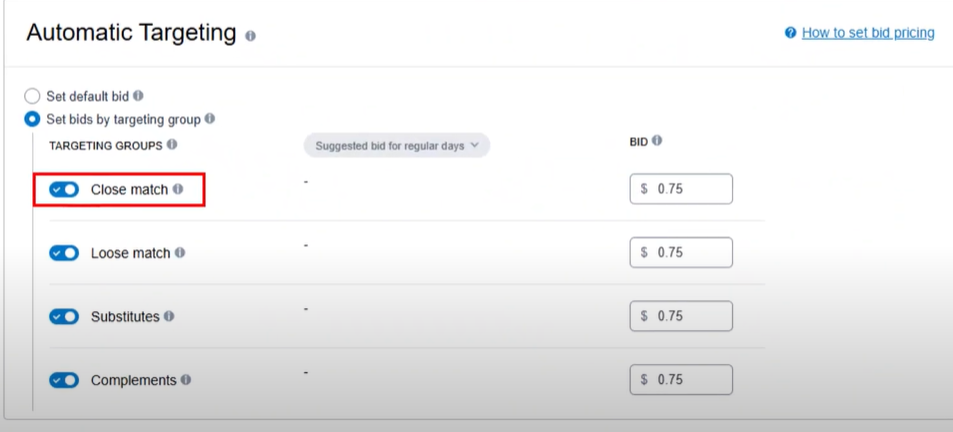
- Automatic Campaigns: For auto campaigns, we will suggest running close match type only because if we run loose and other match types, there’s a high chance to get negative search terms. So it can raise our unnecessary spending.
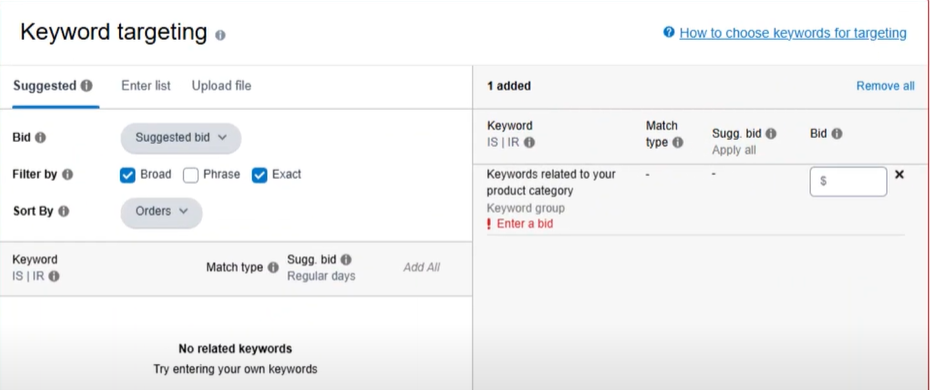
- Keyword Targeting Campaigns: For the keyword targeting campaign, we will suggest creating campaigns with exact and broad match type keywords. But we have to run separate campaigns for the exact and the broad match type keywords. This separation allows us to manage bids more effectively and optimize our Amazon PPC Strategy
4. Amazon PPC Bidding Strategy
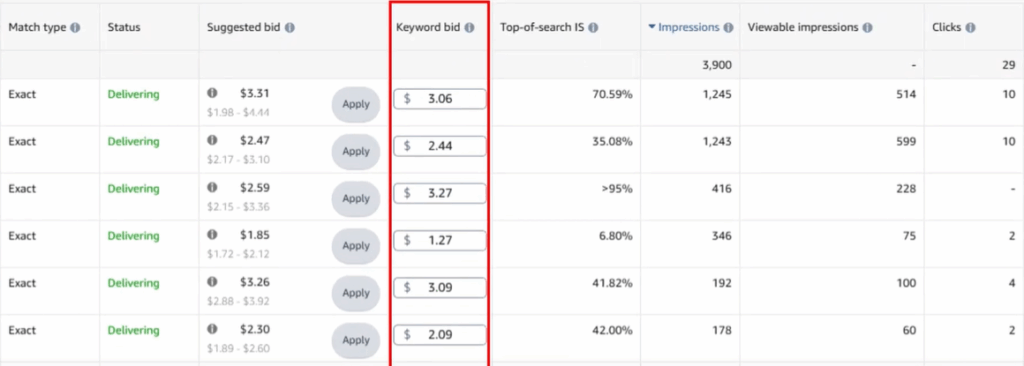
Bidding is another critical aspect of our Amazon PPC strategy. The bidding strategy will not be the same for exact and broad match campaigns:
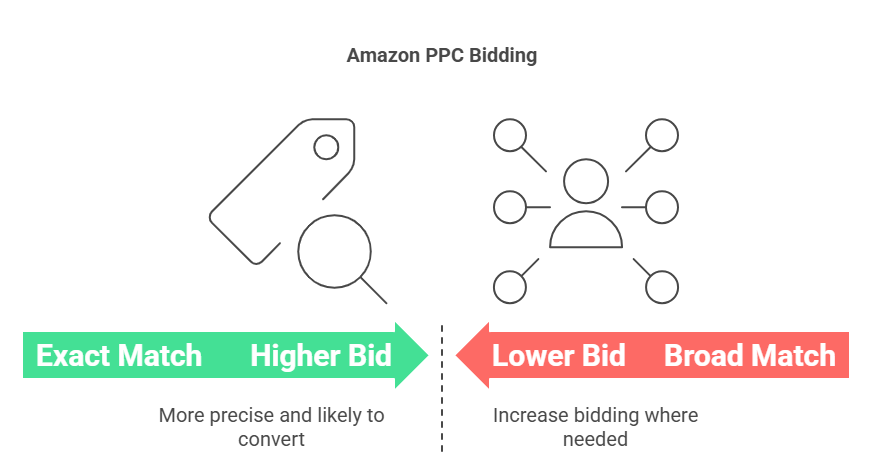
- Exact Match Keywords: For the exact match type campaign, we can bid higher than the broad match type campaign because these keywords are more precise and likely to convert.
- Broad Match Keywords: For the broad match type campaign, we can run with a lower bid. Based on the performance, we can increase the bidding gradually where it’s actually needed.
This approach ensures we’re spending wisely in a category where competition is fierce and CPCs are often higher.
5. Managing Search Terms For Health and Beauty Products
One of the most important tasks in managing our Amazon PPC campaigns is regularly checking search terms. For health and beauty products, this is especially crucial because of the high CPCs and the potential for irrelevant search terms. For the broad match type campaign and the automatic campaign, we have to keep checking the search terms regularly because they have a high chance to get negative search terms.
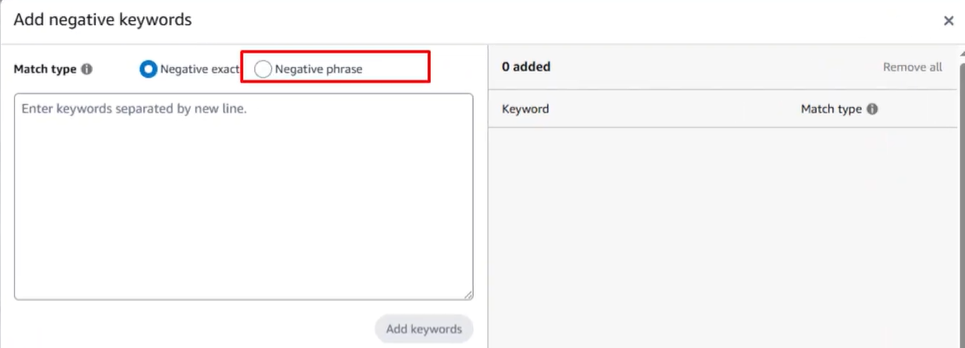
- Negative Keywords: Once we are getting any negative search terms from there, we should add them as negative phrases. If we add them as negative phrases, they will not appear next time if anyone searches with those keywords.
- Harvesting Keywords: In the meantime, we can also harvest keywords from the search terms—which ones are actually doing good for our product. We can add them to the exact match type keyword campaign and then we can bid higher for those keywords.
This ongoing optimization can significantly improve the efficiency of our campaigns.
Conclusion!
Selling health and beauty products on Amazon requires a unique approach, from optimizing our product listing to carefully managing our Amazon PPC campaigns. By focusing on building trust through a high-quality listing and implementing a strategic Amazon PPC Strategy, we can increase our chances of success in this competitive category.
We hope you have a better idea now of how we will optimize our product listing and set up a campaign for health and beauty category products. Start with sponsored product campaigns, use the right match types, bid strategically, and regularly check your search terms to optimize performance. If you have any questions, you can let us know in the comment section, and also you can mail us at info@ecomclips.com. Stay tuned for more tips and strategies to help you succeed on Amazon!
Ready to see real results? Contact EcomClips today and let us help you achieve your business goals! At Ecomclips, we’ve been helping Amazon sellers grow their sales and capture market share through a combination of PPC and organic SEO strategies. If you’re looking to boost your Amazon sales or expand your brand’s presence, feel free to reach out to us at info@ecomclips.com.
We also offer free Amazon store and account audits for both PPC and SEO. If you’d like us to review your account and provide insights on how to improve performance, just contact us via email. We’re always ready to assist with personalized solutions, tailored to help you manage your PPC campaigns and enhance your profitability. For any other questions or support, don’t hesitate to drop a comment below. We’re here to help you succeed!