
Many Amazon sellers believe that success with Amazon PPC comes down to choosing the right keywords and placing high bids. However, they are often surprised when their Amazon Sponsored Products Ads fail to appear at the top of search results, even after outbidding competitors.

In Amazon PPC strategy 2026, the platform functions as a sophisticated Amazon PPC algorithm that evaluates far more than bid price alone. Performance signals such as sales history, conversion rate, recent ad spend, and bidding behavior all influence how Amazon Sponsored Products campaigns are ranked and displayed.
This guide breaks down how the Amazon advertising system works and explains Auto vs Manual Amazon PPC campaigns, helping sellers build a smarter Amazon advertising strategy to secure premium ad placements and drive consistent sales growth.
Understanding the Amazon PPC Algorithm
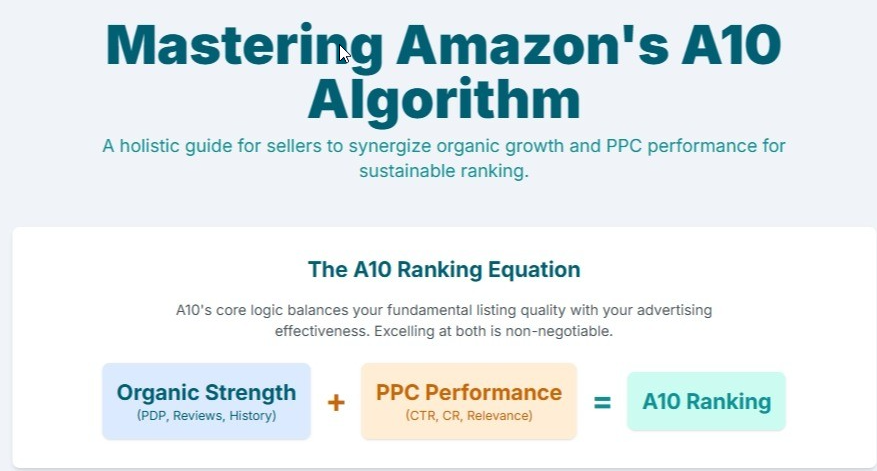
The Amazon PPC algorithm does not automatically award the top placement to the highest bidder. Instead, Amazon PPC works as a performance-driven system that evaluates multiple signals before deciding which Amazon Sponsored Products Ads appear in premium positions.
As part of Amazon PPC strategy 2026, the algorithm analyzes your historical sales performance, recent ad spend on specific keywords over the last 30 days, bidding behavior, and placement adjustments. These factors help Amazon determine whether your Amazon Sponsored Products campaigns are likely to convert and deliver a strong shopper experience.
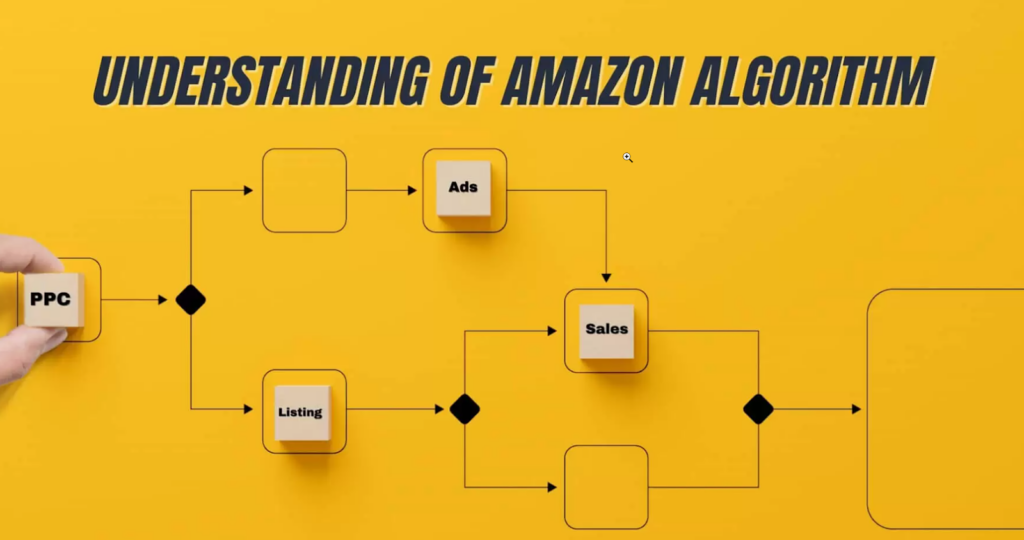
If your product lacks sales history for a keyword, simply increasing bids will not guarantee first-page visibility. Amazon prioritizes ads that are more likely to generate sales, which is why a successful Amazon advertising strategy goes beyond aggressive bidding.
By structuring Auto vs Manual campaigns correctly and optimizing bids, placements, and performance signals, you can show the algorithm that your product deserves top placement and sustained visibility.
Where Your Ads Appear on Amazon
When shoppers search for products like a winter jacket, they encounter multiple ad formats driven by Amazon PPC. As part of Amazon’s PPC strategy 2026, Amazon has introduced advanced tools such as the Rufus AI assistant to guide shoppers through conversational discovery. However, despite AI enhancements, the search results page remains the most valuable real estate for Amazon Sponsored Products Ads.
Understanding where your Amazon Sponsored Products campaigns appear is essential for building a profitable Amazon advertising strategy and improving ROAS optimization.
The Search Results Page
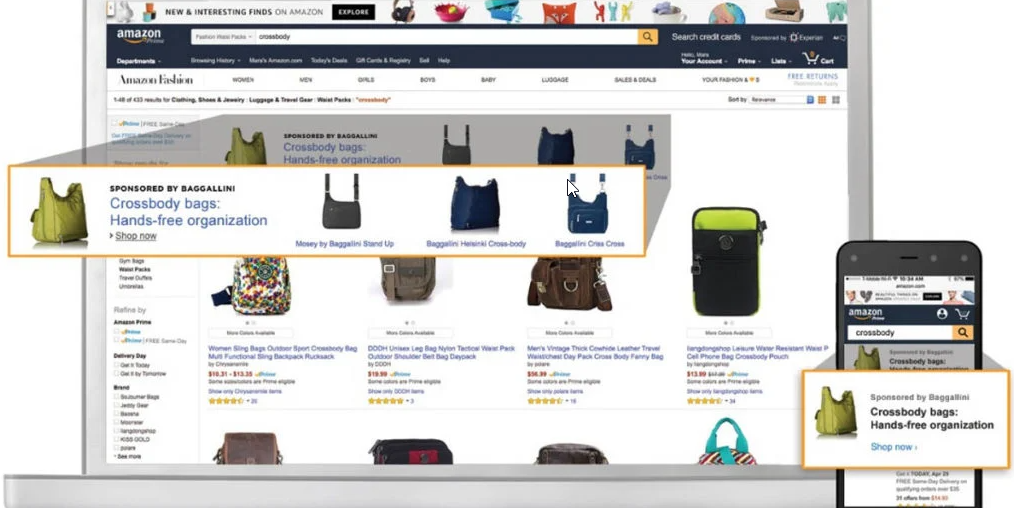
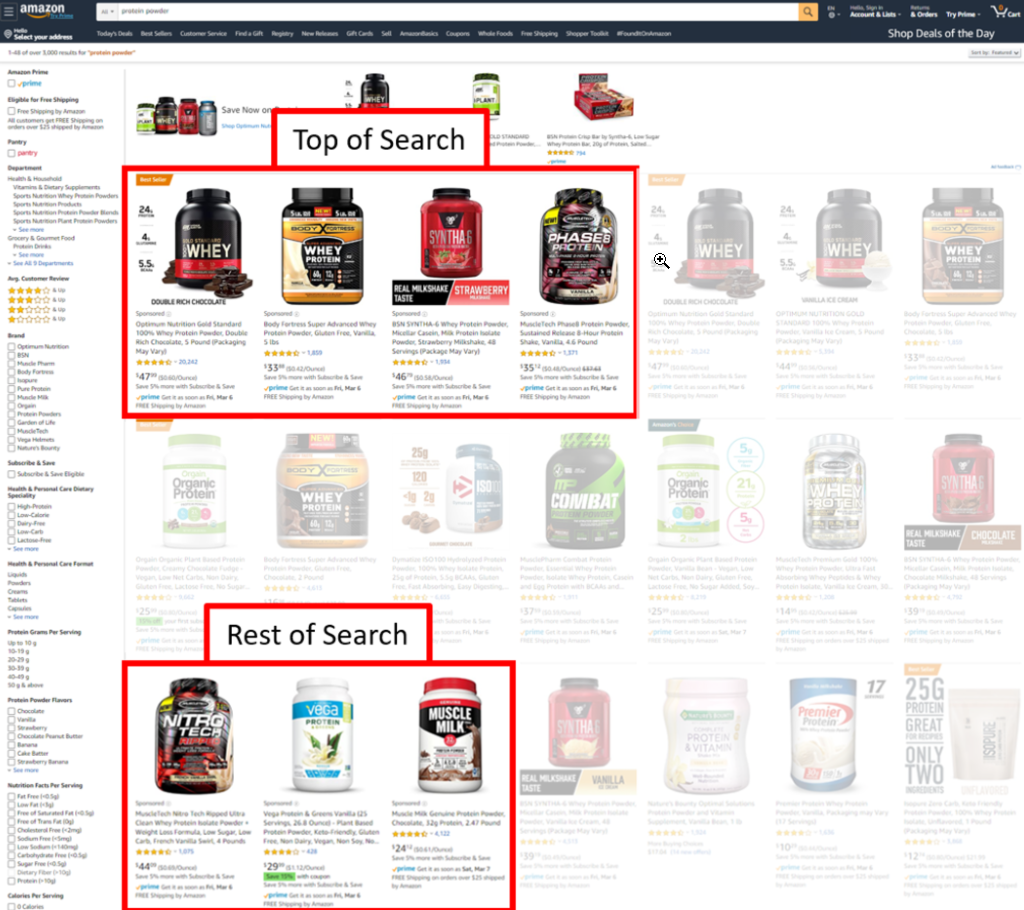
A standard Amazon search results page typically displays around 48 products, with approximately 14 to 16 positions reserved for sponsored placements. These high-visibility placements include:
- Amazon top of search ads for maximum visibility and conversion potential
- Mid-page placements between organic results, often captured using Amazon’s rest of search placement
- Sponsored listings at the bottom of the first page
- Video ads that play as users scroll through results
Since most purchases occur on the first page, failing to secure these placements can significantly limit clicks and sales. Proper placement adjustment, combined with the right bidding approach, such as fixed bids vs dynamic bids, helps improve first-page visibility and conversion rates.
The Product Detail Page
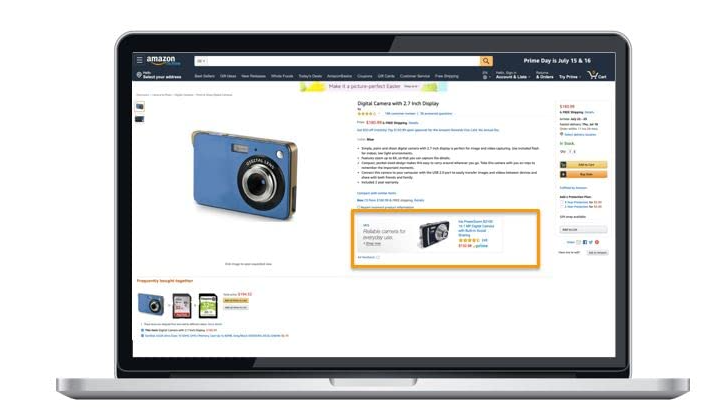
Amazon product detail page ads appear directly on competitor listings, allowing brands to capture shoppers during the decision-making stage. When customers scroll through a product listing, they often see multiple rows of sponsored products, creating an opportunity to divert traffic from competing brands.
By leveraging Auto vs Manual campaigns and increasing product page bid adjustments, advertisers can expand reach across up to 40 pages of sponsored placements per listing. This tactic plays a critical role in scaling Amazon Sponsored Products Ads.
How to Set Up Amazon Sponsored Products Campaigns
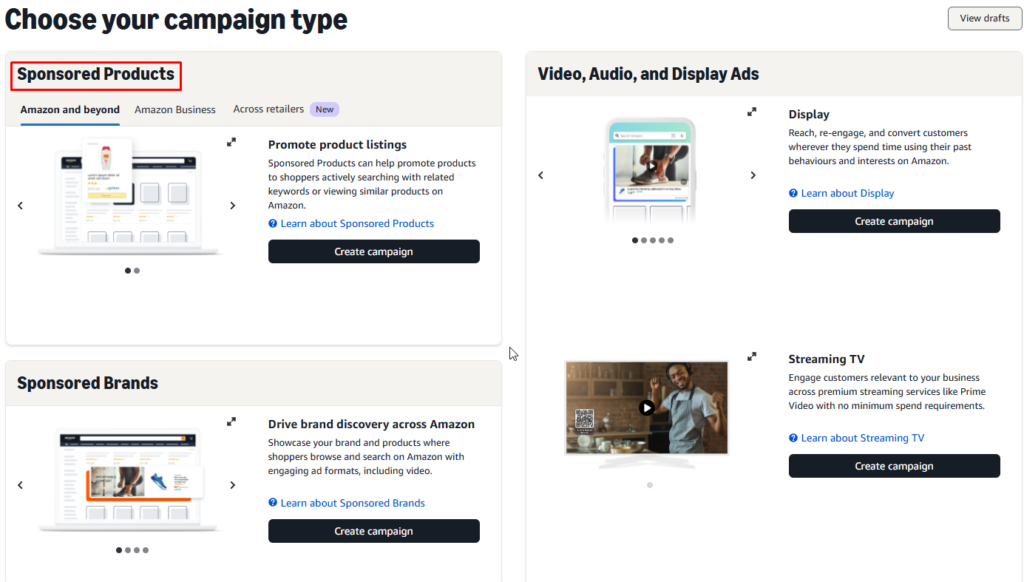
To get the best results with Amazon PPC campaigns, it’s essential to set them up correctly. Choosing between Amazon’s automatic vs manual campaigns allows you to either let Amazon find keywords for you or target specific keywords and competitor products. Both approaches can help you win Amazon’s top search ads and maximize ROI, but they work differently.
Automatic Targeting Options
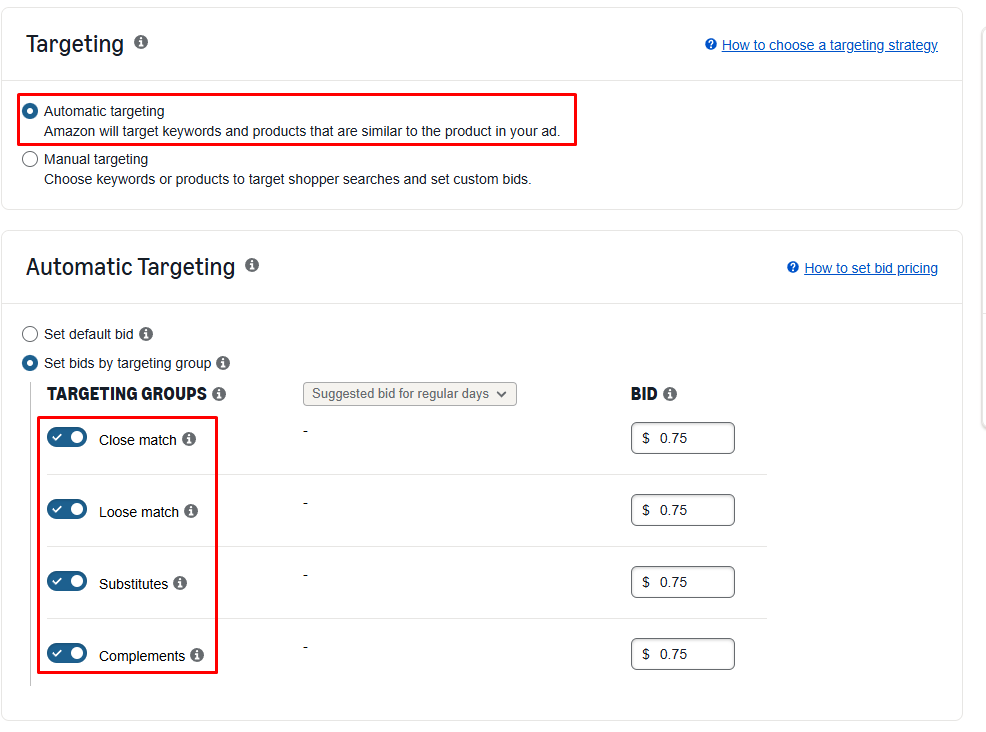
Amazon automatic campaigns simplify keyword targeting and are ideal for discovering high-performing search terms. You can set bids by targeting group for better control. There are four main types of automatic matches:
- Close Match – Ads appear when shoppers search for terms closely related to your products.
- Loose Match – Ads show for search terms that are slightly different but still relevant.
- Substitutes – Ads appear on the product pages of similar brands. For example, if you sell bed sheets, your ad might show on another brand’s bed sheet listing.
- Compliments – Ads appear on listings for products that complement yours. For example, a phone case ad may appear on a screen protector listing.
Manual Targeting Options
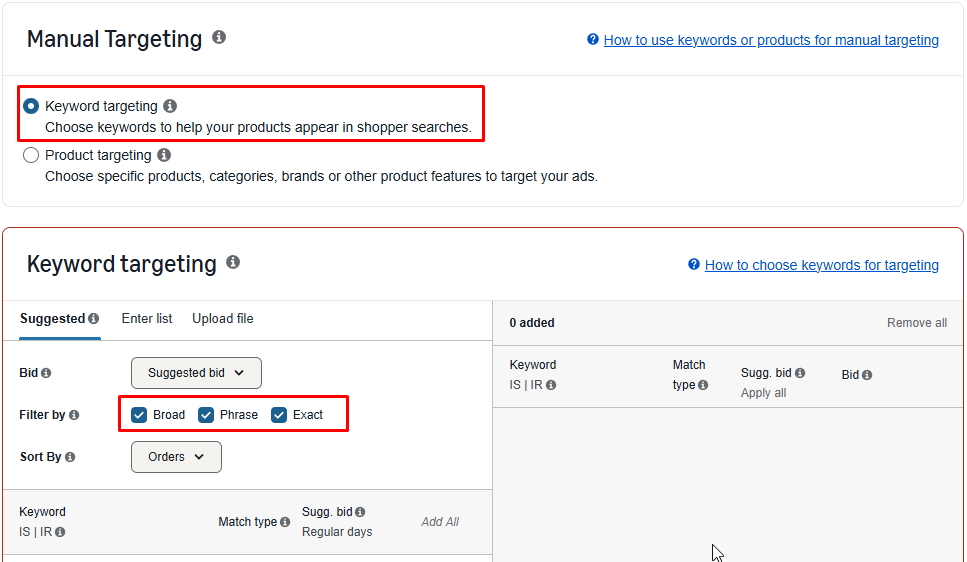
Manual targeting campaigns give you maximum control. You can target specific keywords or competitor products using Amazon keyword targeting and Amazon product targeting ads. Keyword match types include:
- Exact Match – Ads show only when the shopper types the exact phrase.
- Phrase Match – Ads show if your keyword is included in a longer search term.
- Broad Match – Ads appear when the search contains your keyword in any order.
Mastering Amazon PPC Bidding Strategy
Your Amazon Ads bidding strategy tells Amazon how to handle your budget in each auction. Choosing the right approach is key to ROAS optimization.
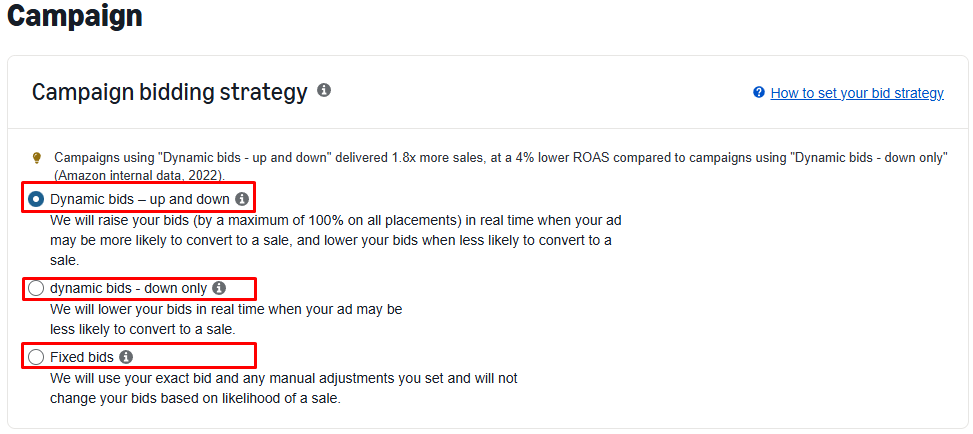
- Dynamic Bids – Up and Down: Amazon can increase your bid up to 100% if a sale is likely. Great for pushing your ads to the top of search results. Start with lower bids to manage costs.
- Dynamic Bids – Down Only: Safer option where Amazon only lowers bids if a sale is unlikely. Best for limited budgets.
- Fixed Bids: Your exact bid is used for every auction, ideal for maintaining consistent visibility and ranking.
Using Amazon PPC Placement Adjustment
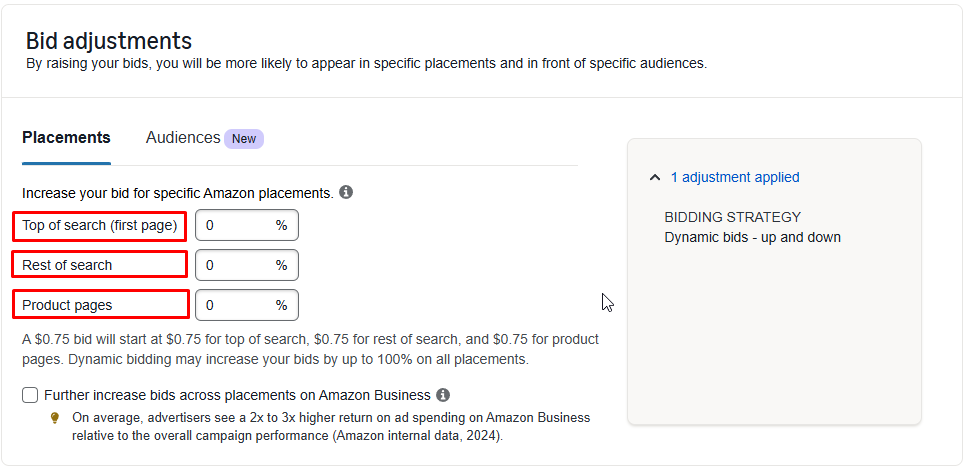
Bid adjustments help secure high-value Amazon ad placements:
| Placement Type | Description | Goal |
| Top of Search | First page of results | Maximum visibility and sales |
| Rest of Search | Pages 2, 3, 4+ | Capture traffic when first page is expensive |
| Product Pages | Competitor listings | Steal customers from other brands |
Winning the First Page
If your ads are not appearing on the first page, use Amazon top of search ads placement adjustments rather than simply increasing your base bid. Start with small increments (20–25%) to manage spend, especially when combining with dynamic bids.
Using Rest of Search
Use Amazon rest of search placement adjustments to appear on later pages. This strategy helps capture “long-tail” keywords with lower competition and better cost efficiency.
Targeting Competitors Directly
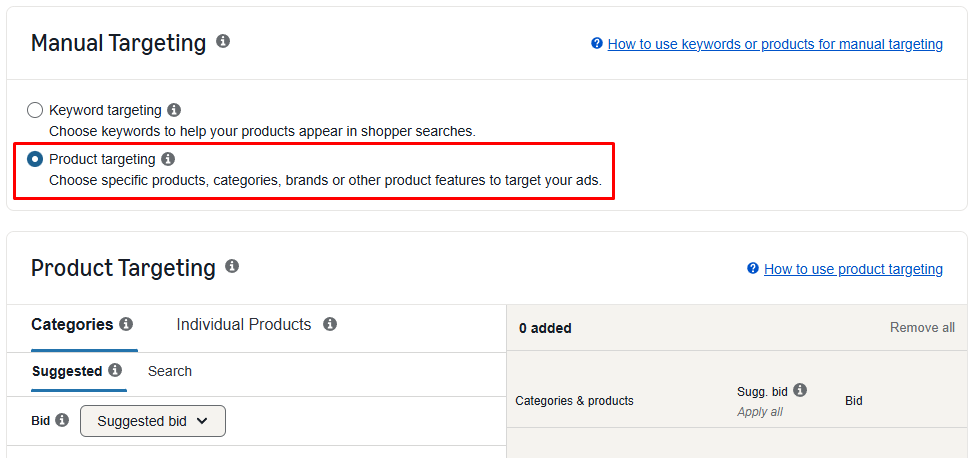
You can show ads directly under competitors’ products using Amazon product targeting ads. Paste competitor ASINs into your manual campaign and increase your product page bid adjustment to ensure visibility. This approach is a key component of any strong Amazon advertising strategy.
Optimizing Amazon Sponsored Products setup requires mastering Amazon PPC optimization, targeting, bidding strategies, and placement adjustments. Using both automatic and manual campaigns strategically allows you to maximize ROI, increase visibility, and improve ROAS. Following these best practices ensures your campaigns perform efficiently and consistently.
Why Strategy Matters More Than Luck in Amazon PPC
Success with Amazon PPC campaigns is not a matter of guesswork. To maximize the impact of your budget, a strategic approach is essential. You need to know exactly where you want your Amazon ads to appear and how much you are willing to invest for each placement.
When trying to rank for a high-value keyword, such as “winter jacket,” the Amazon PPC algorithm considers several critical factors:
- Your sales history for that specific keyword
- Recent ad spend and performance trends
- Conversion rate (how many clicks result in sales)
- Your bid and placement adjustment settings
Simply setting a high bid without a clear plan will likely waste money and reduce ROI. A well-crafted Amazon PPC strategy uses Amazon’s tools and insights to secure top placements, including Amazon top of search ads, Amazon rest of search placement, and Amazon product detail page ads, ensuring maximum visibility and return.
A disciplined Amazon advertising strategy focused on these factors allows your Amazon PPC campaigns to consistently deliver results, optimize spend, and improve overall performance.
Conclusion
Understanding Amazon PPC and where your Amazon PPC ads appear is critical for success in 2026. A well-planned PPC strategy ensures your Ads reach shoppers at every stage of their buying journey.
By combining Amazon’s automatic vs manual campaigns, you can optimize keyword targeting and product placement effectively. Proper Amazon Ads placement adjustment allows you to secure Amazon top of search ads, Amazon rest of search placement, and Amazon product detail page ads while controlling costs. Choosing the right Amazon PPC bidding strategy, whether Amazon fixed bids or dynamic bids, is essential for maintaining visibility and improving ROAS.
Following these best practices—from strategic Amazon Sponsored Products setup to ongoing Amazon PPC optimization—ensures your Amazon ad placements deliver maximum results. Thoughtful use of Amazon keyword targeting and placement insights will help you drive more clicks, conversions, and sales while making every ad dollar count.If you are struggling to get the results you want from your advertising, professional help can make a big difference. You can also learn more strategies from theEcomclips YouTube channel and ongoing insights on theEcomclips blog. For broader e-commerce and advertising topics, theBoostontime blog is another useful resource, and you can connect with the team onFacebook orLinkedIn for more helpful blogs and tips on mastering Amazon PPC. Stop guessing and start growing your brand with a smart advertising plan today.